Why do cats yowl at night? The sound may come from ordinary cat behavior at night, hunger, boredom, stress, territorial reactions, or a medical problem. The timing alone does not identify the cause, so the most useful approach is to consider your cat’s age, routine, reproductive status, environment, and other symptoms.
Some night vocalisation causes respond to simple routine changes, while others need a veterinary examination. This guide explains how to distinguish a yowl from ordinary meowing, investigate likely triggers, try safe night vocalisation fixes, and recognize signs that should not wait.
What Night Yowling Usually Means
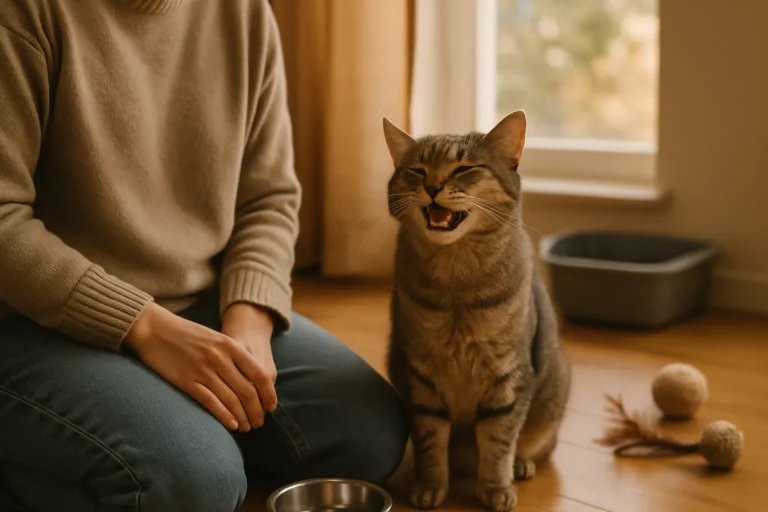
A yowl is usually longer, louder, and more drawn out than a brief meow. It may sound mournful, urgent, or unusually intense. Some cats yowl while walking through the house, standing by a door, looking out a window, or seeking their owner.
A single vocalization after a noise or interruption is different from repeated calling that continues through the night. Context matters: a cat that yowls near an empty food bowl may be communicating a routine need, while a cat that suddenly cries while pacing may be uncomfortable, confused, or distressed.
The cat’s age and recent history are important clues. A young cat with a new sleep routine has a different starting point from an older cat that has abruptly begun wandering and calling. Note what changed before assuming the behavior is simply attention seeking.
Why Cats Yowl at Night: The Most Common Causes
Nighttime vocalization often reflects a combination of instinct, habit, and the cat’s surroundings. Look for a pattern rather than treating every yowl as having the same explanation.
- Evening activity: Cats may become more interested in exploring, chasing, and interacting during the evening or early morning. A quiet home can also make ordinary sounds seem more noticeable.
- Hunger or meal timing: If yowling reliably precedes food, your cat may have learned that calling brings a meal. A change in feeding times can also create persistent requests.
- Boredom: A cat with limited daytime play, climbing, scratching, or foraging opportunities may seek stimulation when the household is settling down.
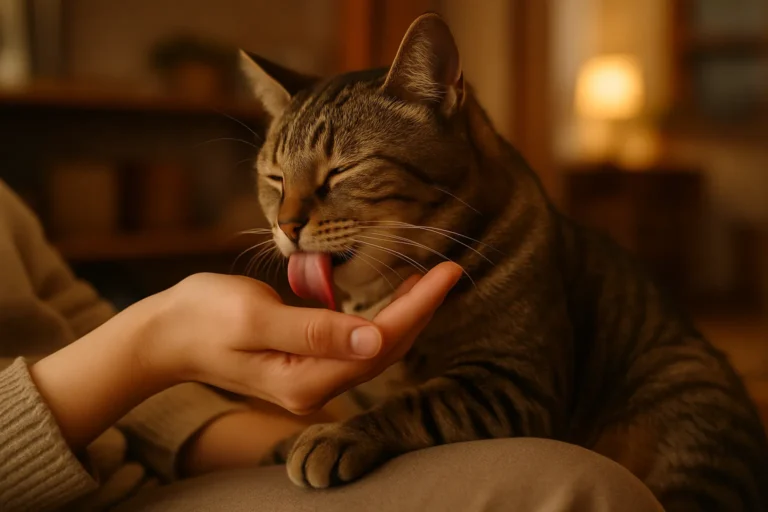
- Attention seeking: Talking to, petting, feeding, or opening a door after yowling can unintentionally teach a cat that vocalizing produces a response.
- Stress or loneliness: Moving furniture, welcoming a new person or animal, changing work schedules, or closing a bedroom door can alter a cat’s sense of security.
- Territorial behavior: A cat may react to an outdoor animal, unfamiliar smell, or tension with another indoor cat. The response can include staring, pacing, growling, or yowling.
- Mating behavior: An intact cat may vocalize persistently when reproductive behavior is influencing the household. Spaying or neutering should be discussed with a veterinarian.
Age and Situation Change the Likely Cause
The same sound can mean different things in different cats. Use life stage and household circumstances to narrow the possibilities before changing the routine.
- Kittens and younger cats: Excess energy, a new home, separation stress, or an inconsistent sleep routine may contribute. A young cat may need more structured play and predictable interaction rather than repeated nighttime attention.
- Adult indoor cats: Habit, under-stimulation, food expectations, environmental changes, or a view of outdoor animals are common areas to investigate. Compare the yowling with the cat’s daytime activity and household schedule.
- Senior cats: Older cats may vocalize because of discomfort, confusion, sensory decline, or another health change. Nighttime wandering, staring, seeming lost, or calling from unusual places deserves more attention than a long-standing minor habit.
- Female cat yowling at night: If she is not spayed, reproductive behavior may be a factor. Restlessness, increased affection, unusual posture, or persistent calling can support that possibility, but a vet should evaluate unexplained or sudden changes.
- Cat yowling when I go to bed: The change in access, attention, or household activity may trigger separation stress or a learned response. It can also reveal a need that was hidden while everyone was awake, so check food, water, litter access, and comfort first.
Medical Reasons a Cat May Yowl at Night
A new, louder, or more persistent yowl can be a sign that something has changed physically. Yowling does not identify a specific condition, so avoid trying to diagnose the cause from sound alone.
Pain or general discomfort may make a cat restless, reluctant to settle, sensitive to touch, or vocal when changing position. Digestive upset or another illness may also be accompanied by altered appetite, vomiting, diarrhea, hiding, or reduced activity.
In an older cat, a veterinary assessment is especially important when vocalization appears with weight change, increased thirst or urination, disorientation, staring, nighttime wandering, or a change in litter box habits. Hyperthyroidism, kidney disease, cognitive dysfunction, hearing loss, and vision loss are among the issues a veterinarian may consider.
A cat that cannot hear or see well may call more often because familiar surroundings feel less predictable, particularly in darkness. Better lighting and easier access can help with comfort, but they do not replace an examination when the change is new or persistent.
Do not give human pain medicine or other medication in an attempt to quiet the noise. If illness or pain is possible, the safest next step is to contact a veterinary practice and describe the timing, sound, accompanying signs, and any recent changes.
How to Figure Out Which Cause Fits Your Cat
A short observation record can reveal a pattern that is easy to miss when you are tired. Record the start time, location, duration, and what your cat does immediately before and after yowling.
For the next several nights, compare the vocalization with meals, bedtime, play, litter box use, household activity, and sounds or movement outside. Also note whether your cat settles after food, interaction, access to a room, or a change in lighting.
Watch for pacing, staring, hiding, repeated trips to the litter box, restlessness, conflict between cats, or attempts to reach a window or door. These details are more useful to a veterinarian than a description such as ‘loud at night.’ Review what changed in the previous days or weeks, including furniture, visitors, pets, work hours, feeding times, medication, and access to rooms. If the cat is older, compare the night behavior with changes in hearing, vision, mobility, appetite, thirst, and daytime sleep.
- Write down when the yowling begins and whether it occurs once or in repeated episodes.
- Check whether it follows meals, treats, lights-out, or separation from you.
- Inspect food, water, litter, temperature, sleeping areas, and access to familiar spaces.
- Look for outdoor animals, unfamiliar sounds, or tension between indoor cats.
- Record any new physical, appetite, mobility, bathroom, or behavior changes.
How to Stop a Cat From Yowling at Night
Start with the likely cause and change one or two things at a time. A consistent plan is easier for your cat to understand and helps you see which adjustment matters.
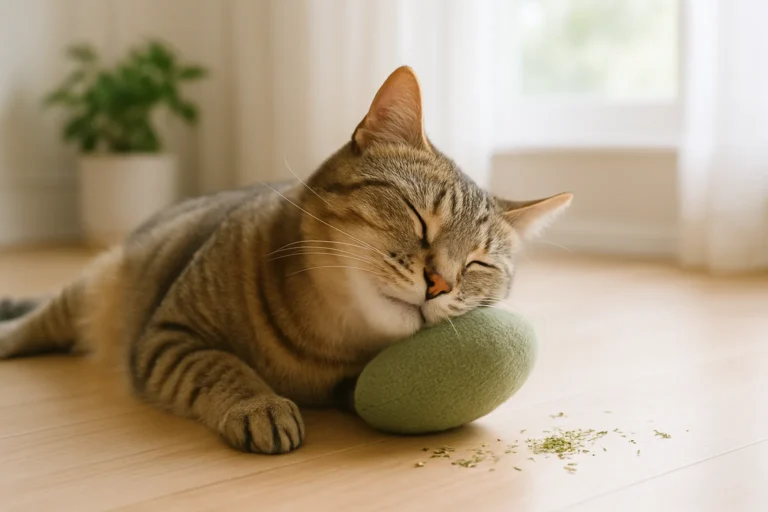
- Use evening activity: Offer a predictable play session before bedtime, using movement that lets your cat chase, pounce, and finish calmly. Add daytime enrichment such as safe climbing, scratching, hiding places, and supervised hunting-style games.
- Make meals predictable: Keep feeding times consistent and consider whether an appropriate bedtime meal fits your cat’s routine. Do not repeatedly feed in direct response to yowling, or the noise may become part of the meal ritual.
- Improve the sleep environment: Keep the resting area comfortable, familiar, and away from avoidable noise. Make food, water, and a clean litter box easy to reach, especially for an older or less mobile cat.
- Reduce outside triggers: Close blinds, use a visual barrier, or move the cat’s favorite lookout if outdoor animals cause agitation. Do not encourage confrontation with stray or neighborhood cats.
- Support senior cats: Add gentle lighting, keep pathways clear, and avoid moving essential resources unnecessarily. Arrange a pain and health evaluation if nighttime vocalization is new or accompanied by other changes.
- Address reproductive behavior: If an intact cat is yowling in a pattern that suggests heat or mating behavior, ask a veterinarian about spaying or neutering and suitable timing.
- Stay consistent: Reward calm, quiet interaction during appropriate periods. Avoid shouting, punishment, or repeatedly getting up to provide attention, food, or access unless you are checking for a genuine need.
Should You Ignore Nighttime Yowling?
Ignoring can help when you have already checked for basic needs, illness, fear, and environmental triggers, and the pattern strongly suggests attention seeking. In that situation, responding inconsistently can maintain the behavior: your cat may keep trying because vocalization sometimes works.
Ignoring is not a safe first step for a sudden change, an older cat with confusion, a cat showing pain, or any cat that may be hungry, trapped, frightened, unwell, or unable to reach water or the litter box. Check the situation rather than assuming the noise is deliberate misbehavior.
Respond calmly and consistently. Meet legitimate needs before bedtime, reward quiet periods when possible, and avoid punishment. If the yowling continues despite a stable routine and reasonable environmental changes, arrange a veterinary evaluation.
What to Do if the Noise Is Coming From Outside
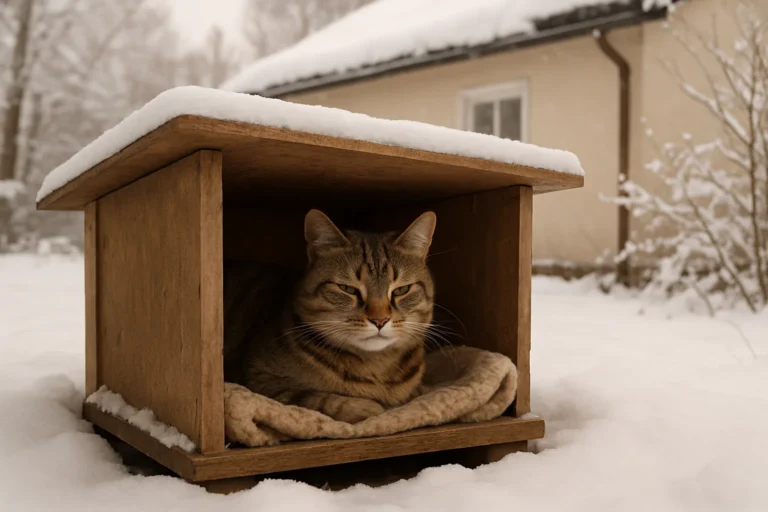
Stray or neighborhood cats may cry or yowl outside because of territorial conflict, reproductive behavior, fear, or attempts to contact another cat. You may hear two cats yowling at each other before seeing them, especially when the street is quiet.
Outside activity can also trigger an indoor cat. Your cat may patrol windows, pace between rooms, vocalize at the glass, or become tense around another cat in the home. The outside noise is then a trigger, while the indoor response may be territorial or stress-related.
Reduce the visual trigger with closed blinds or a temporary window covering, and move beds or feeding stations away from the most active window. Provide indoor play and a calm retreat. Never release an indoor cat to confront unfamiliar animals, and avoid handling a highly aroused cat until it has settled.
When to Call a Vet Right Away
Contact a veterinarian promptly when a normally quiet cat begins yowling suddenly, when the sound is persistent, or when the behavior does not improve after basic needs and environmental triggers have been checked.
Seek urgent veterinary guidance if yowling occurs with obvious pain or distress, breathing changes, repeated vomiting, severe weakness, marked disorientation, or difficulty using the litter box. Do not wait for a behavior plan to work when your cat appears physically unwell.
Arrange an examination when nighttime vocalization is paired with weight loss, increased drinking or urination, appetite changes, litter box changes, pacing, staring, seeming lost, mobility changes, or other signs of illness. Senior cats and cats with ongoing health conditions deserve particular care.
Before calling, note when the behavior began, how often it occurs, what your cat is doing during episodes, and any changes in food, water, medication, toileting, sleep, or activity. A recording can also help the veterinary team understand the sound.
- The yowling starts abruptly in a cat that is usually quiet.
- The cat appears painful, panicked, weak, disoriented, or unable to settle.
- There are breathing changes, repeated vomiting, or serious litter box problems.
- The vocalization occurs with weight, appetite, thirst, urination, mobility, or behavior changes.
- A consistent routine and environmental adjustments do not reduce persistent yowling.
A Quieter Night Starts With the Right Cause
Nighttime yowling is communication, not a single diagnosis. Check routine needs and environmental triggers, then consider age, reproductive status, stress, and household conflict. A predictable evening routine, enrichment, comfortable access to resources, and consistent responses can help when the cause is behavioral.
Do not dismiss a sudden or persistent change, particularly in a senior cat or one with pain, confusion, appetite changes, increased thirst, or litter box problems. When the pattern is unclear or your cat seems unwell, a veterinary examination is the safest way to choose the right fix.
Why is my cat yowling at night?
Possible reasons include evening activity, hunger, boredom, attention seeking, stress, territorial reactions, reproductive behavior, pain, sensory decline, or illness. Your cat’s age, routine, reproductive status, and accompanying symptoms help narrow down the cause.
Why does my cat walk through the house yowling?
A cat may walk and yowl because it is seeking attention, reacting to an empty or changed environment, looking for food or another cat, or feeling confused or uncomfortable. If this is new, frequent, or associated with pacing, staring, litter changes, or other symptoms, contact a veterinarian.
Why does my cat yowl when I go to bed?
Going to bed changes access to you, household activity, and sometimes food or rooms, so the cat may be responding to separation stress, a learned attention routine, boredom, or an unmet need. Check the basics, add predictable evening play, keep the routine consistent, and seek veterinary advice if the behavior is sudden or persistent.