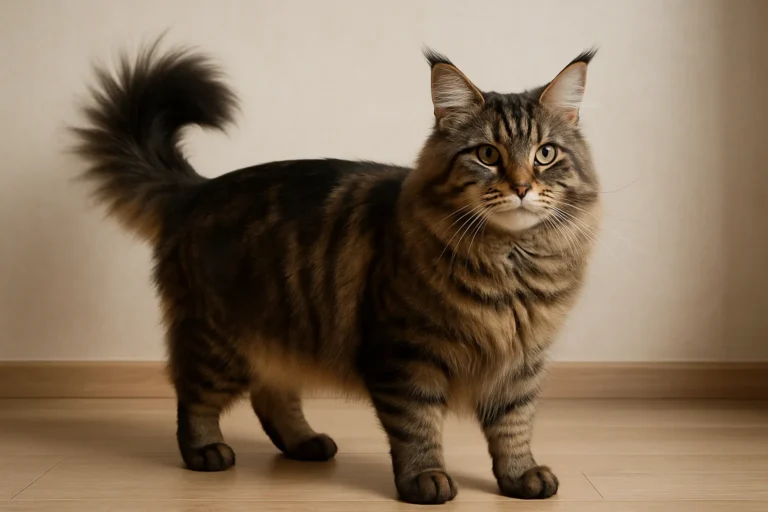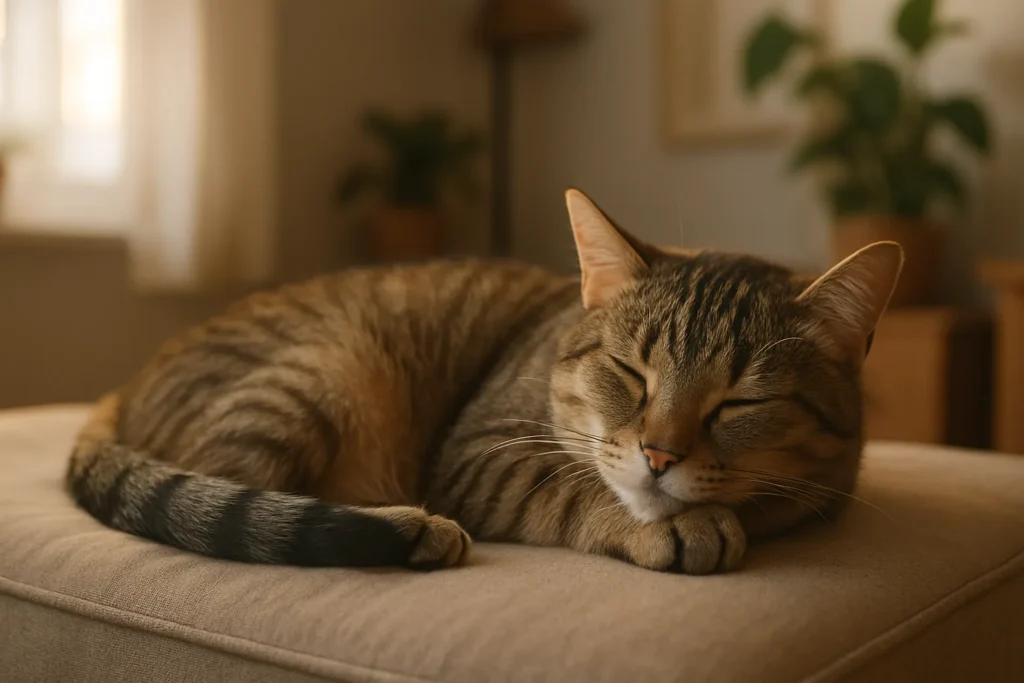
Cats usually sleep a lot because their bodies are suited to conserving energy between short bursts of activity. Their wild relatives hunt with intense effort, and domestic cats retain many of the same instincts even when meals are provided.
Cats may spend much of the day sleeping or resting, although age, health, activity, weather, and household routine can change that pattern. A cat may appear to sleep all day while still becoming alert and active around dawn and dusk.
Why Do Cats Need So Much Sleep?
Cats are natural hunters. In the wild, a hunt can require a brief, demanding burst of speed, followed by a long period of rest. Sleeping and dozing between active periods helps a cat conserve energy for movement, exploration, and play.
Domestic cats still show this predator pattern even when they live indoors. Their activity often comes in short windows rather than one long period of exercise, so frequent naps are a normal part of their daily rhythm.
Not all feline sleep is deep, uninterrupted sleep. Cats commonly spend time lightly dozing, with their ears moving or their eyes partly open. They can relax while remaining ready to respond to a sound or movement.
Rest also gives the body time for recovery and routine maintenance. The important question is not only how long a cat sleeps, but whether it wakes normally and behaves like itself during its usual active periods.
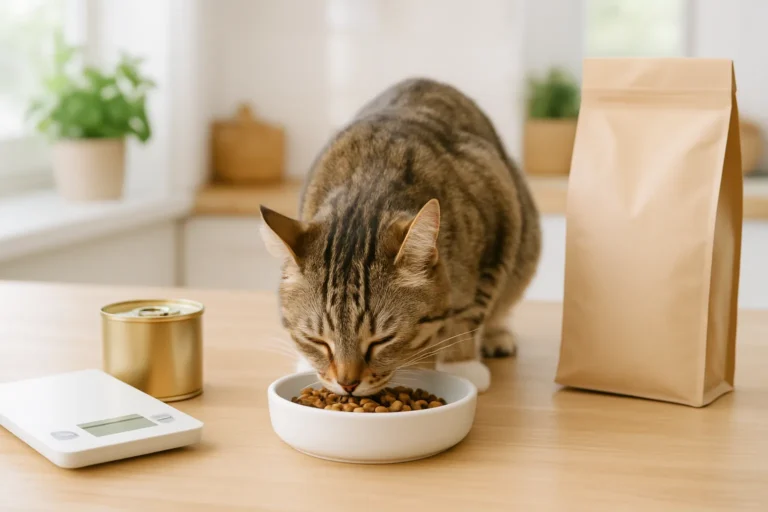
Daily calorie needs depend on body weight, life stage, and activity. Ask your veterinarian for individualized feeding guidance.
How Much Sleep Is Normal for a Cat?
A typical adult cat may sleep or rest for much of the day. Some cats rest longer, particularly when they are young, older, less active, or living in a quiet environment. Individual habits matter, so a general expectation is a starting point rather than a diagnostic test.
Sleeping, napping, and resting are not always the same thing. A cat may be in deep sleep, lightly dozing, or simply lying with its eyes closed while still aware of what is happening around it.
This is why it can seem as if a cat sleeps all day. Cats often divide their rest into many periods and reserve their most noticeable activity for dawn, evening, and other times when the household is quiet.
How Cat Sleep Changes by Age
Age is one of the most useful factors when deciding whether a cat’s sleep pattern seems normal. A kitten, healthy adult, and senior cat can all have different routines without any of them being abnormal.
Why Cats May Sleep More on Some Days
Sleep can vary from one day to the next without indicating a health problem. Cooler or rainy weather, seasonal changes, a quiet household, and a comfortable sleeping area can all encourage longer naps.
Indoor cats may also sleep more when they have little to do. Without opportunities to climb, explore, play, or watch activity outside, a cat may fill more of the day with rest.
A demanding play session or an unusually active night can lead to extra daytime sleep. Changes in household routine, temporary stress, or recovery after excitement can affect when a cat rests as well.
These explanations are most reassuring when the cat wakes normally, eats and drinks as usual, uses the litter box normally, and returns to its familiar behavior during active periods.
Why Is My Cat Sleeping More Than Usual?
Start by comparing the change with your cat’s usual pattern rather than relying only on an average number of hours. A cat that has always taken long naps may be normal, while a sudden change in a usually active cat deserves closer attention.
Harmless explanations can include aging, reduced activity, a change in temperature, recent stress, or a disrupted routine. Look at the whole pattern: does your cat wake easily, respond normally, and show its usual interest in food, play, grooming, and social contact?
Sleeping more becomes more concerning when it occurs with other changes. A reduced appetite, increased thirst, altered litter box habits, vomiting, diarrhea, breathing changes, weight loss, hiding, or reduced grooming should prompt a conversation with a veterinarian.
Because excessive sleep can look similar to ordinary napping, observe the cat during its expected active windows. A cat that is difficult to wake or too weak to perform normal activities may be lethargic rather than simply sleepy.
Signs Your Cat’s Sleep May Not Be Normal
The most useful warning sign is a clear departure from your cat’s baseline. Sleeping more is more concerning when the change is sudden, extreme, persistent, or paired with a noticeable loss of normal behavior.
Contact a veterinarian if your cat is unusually difficult to wake, weak, hiding, or unresponsive. Other changes that matter include loss of appetite, vomiting, diarrhea, breathing difficulty, weight loss, reduced grooming, or a lack of interest in favorite routines.
Pay attention to function as well as sleep duration. A healthy resting cat should generally be able to wake, move comfortably, eat, drink, use the litter box, and interact during its normal active periods.
- A sudden change from the cat’s normal sleep pattern
- Difficulty waking or unusual unresponsiveness
- Weakness, hiding, or reluctance to move
- Changes in appetite, thirst, grooming, or litter box habits
- Vomiting, diarrhea, breathing changes, or weight loss
- Much less interest in play, people, or familiar routines
When to Call the Vet
Call a veterinarian promptly if increased sleep begins suddenly or appears alongside any other physical or behavioral change. A professional assessment is the most reliable way to distinguish ordinary variation from a medical cause.
Seek urgent veterinary care for trouble breathing, collapse, severe weakness, or a cat that is not eating. Do not wait for a normal nap schedule to return when the cat seems seriously unwell.
Before calling, write down when the change began and what you have observed. Notes about sleep, appetite, water intake, litter box habits, vomiting, breathing, and activity can help the veterinarian understand the pattern.
How to Support Healthy Sleep Habits at Home
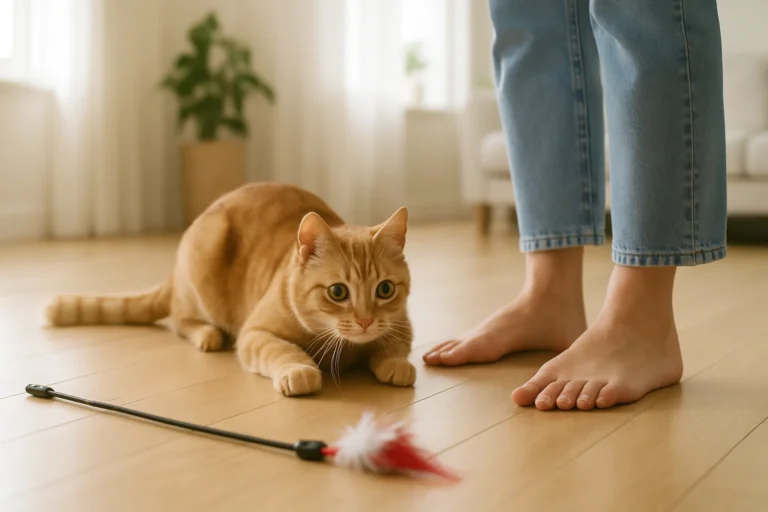
Give your cat daily opportunities for activity, including interactive play, climbing, exploring, and food-based enrichment that fits its normal routine. Short activity bursts can suit cats better than expecting one long exercise session.
Provide quiet, comfortable sleeping places in safe areas of the home. Cats often prefer more than one option, such as a sheltered bed and an elevated spot where they can observe their surroundings.
Keep feeding, play, and social interaction reasonably consistent. Predictable routines can make it easier to notice a genuine change in sleep rather than mistaking an ordinary variation for a problem.
Use observation instead of guesswork. Knowing when your cat usually naps, eats, plays, grooms, and uses the litter box gives you a much better baseline for recognizing meaningful changes.
The Bottom Line on Feline Sleep
Cats need substantial rest because they are built for short bursts of activity followed by recovery. Adult cats may sleep or rest for much of the day, while kittens and seniors may follow different patterns.
If your cat is sleeping more than usual, compare the change with its normal routine and look for other symptoms. Sudden or extreme sleepiness, difficulty waking, weakness, breathing changes, or reduced appetite warrants veterinary advice.
Is It Normal for Cats to Just Sleep All Day?
It can be normal for a cat to appear to sleep much of the day, especially when it is young, older, inactive, or living in a quiet home. The cat should still wake normally and show its usual appetite, movement, grooming, and activity during active periods.
Why Is My Cat Sleeping So Much All of a Sudden?
A sudden increase may follow stress, a routine change, lower activity, or a change in temperature, but it can also accompany illness. Contact a veterinarian promptly if the change persists or occurs with poor appetite, weakness, hiding, vomiting, breathing changes, or other unusual behavior.
How Does a Cat’s Sleep Change by Age?
Kittens tend to sleep frequently, healthy adults often develop a steady nap-and-activity routine, and senior cats may rest longer. Individual patterns vary, so age and the cat’s normal baseline both matter.