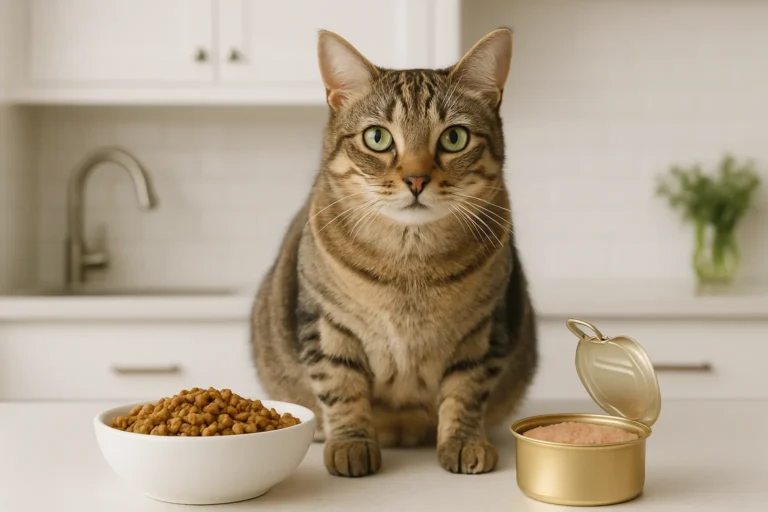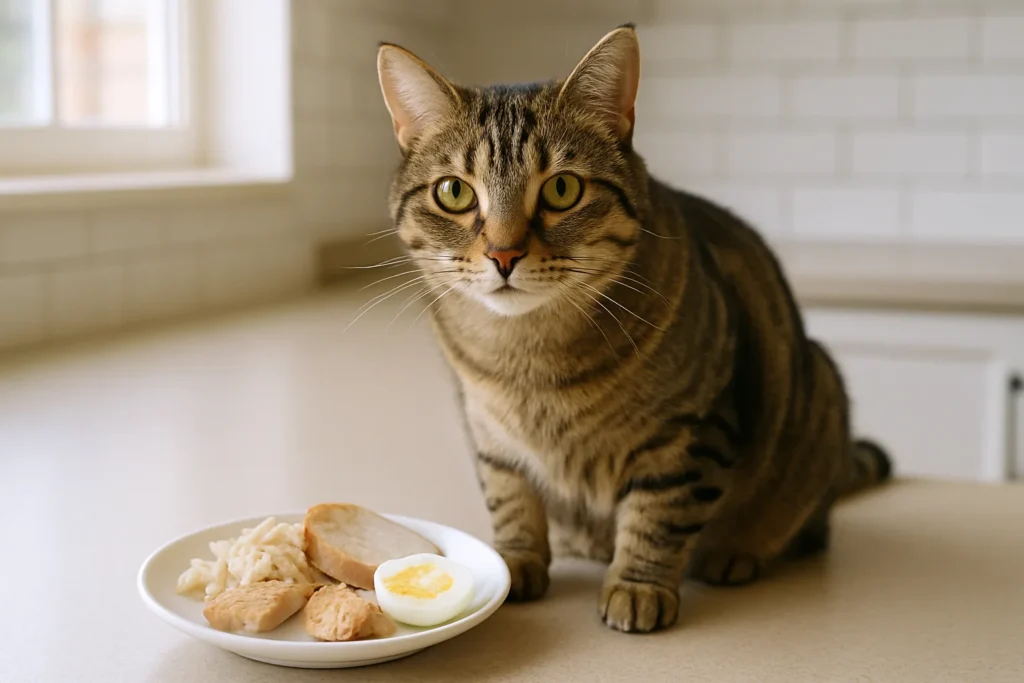
The best human food for cats is usually a tiny amount of plain, fully cooked animal protein, such as chicken, turkey, fish, or egg. These foods are more appropriate than sugary, salty, or carbohydrate-heavy snacks, but they are still treats—not replacements for a complete and balanced cat food.
If you are looking for a list of foods cats can eat or wondering what can cats eat from the fridge, use four rules: choose plain food, remove bones and seasonings, offer a very small portion, and introduce only one new item at a time. Cats have different health needs, so a food that is acceptable for one cat may not suit a kitten, an overweight cat, or a cat on a veterinary diet.
How to Tell if a Human Food Is Good for Cats
Before sharing anything from your plate, apply a simple filter. A suitable occasional food should be plain, thoroughly cooked, easy to portion, and free from ingredients that are unsafe for cats. The closer it is to a simple piece of cooked meat, the easier it is to judge.
Cats need animal-based protein as the center of their nutrition. Fruits, grains, and vegetables may be tolerated as small extras, but they do not provide the same value as a species-appropriate, complete cat diet. Human food should add variety or serve as a treat rather than displace the food that supplies a cat’s daily nutritional requirements.
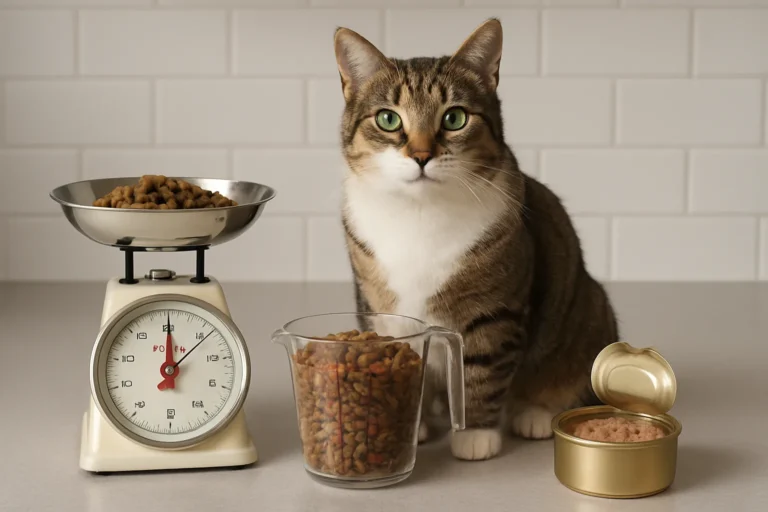
Daily calorie needs depend on body weight, life stage, and activity. This article explains how veterinarians estimate energy requirements without publishing a precise chart here. Ask your veterinarian for individualized feeding guidance.
- Prefer plain, cooked foods over seasoned leftovers.
- Remove bones, skin, breading, and excess fat.
- Avoid sauces, salt, butter, marinades, garlic, onion, and sweeteners.
- Start with a very small taste and watch for digestive changes.
- When the ingredients are uncertain, do not offer the food.
Best Human Foods Cats Can Eat Safely
The most useful options on a safe human food list for cats are simple animal proteins. They can provide a more suitable treat than many snack foods, provided they are prepared without seasoning and remain a minor part of the diet.
Offer only a small piece at first. Even a food that is generally suitable can cause vomiting, loose stool, or refusal of regular meals if a cat eats too much or is not accustomed to it.
- Plain cooked chicken for cats should be free of bones, skin, breading, and seasoning.
- Plain turkey for cats is best when it is home-cooked or otherwise free of deli-style processing, salt, and flavorings.
- Cooked fish for cats must be boneless. Avoid preparations with sauces, heavy oil, or added salt.
- Eggs for cats should be fully cooked and offered plain.
- Lean cooked beef may be acceptable in a small amount, but trim away visible fat and avoid seasoned meat.
Other Human Foods That Are Sometimes Fine for Cats
Some non-meat foods are acceptable for certain cats in tiny amounts, but they are lower-priority choices. They should not crowd out complete cat food or become a routine source of calories.
Plain pumpkin can be offered as a small extra if your cat accepts it. Cooked rice and plain vegetables may also be tolerated in limited amounts. These foods are not necessary for a healthy cat, and a cat with ongoing digestive symptoms should be assessed rather than treated with repeated human-food additions.
- Treat these foods as extras, not staples.
- Never use seasoned pumpkin, sweetened fruit, or vegetables cooked with onion or garlic.
- Do not assume a food is needed just because it is tolerated.
How to Serve Human Food to Cats Without Causing Problems
Preparation matters as much as the ingredient. Serve human food fully cooked unless your veterinarian has given specific advice otherwise. Remove bones and visible fat, and avoid raw dough, breading, oil, heavy sauces, marinades, and deli-style processing.
Introduce one food at a time in a bite-size test portion. If your cat develops vomiting, diarrhea, unusual itching, or refuses regular food, stop offering the new item. Seek veterinary guidance if signs are severe, persistent, or accompanied by weakness or other concerning changes.
Treats and table food should remain only a small share of daily intake. Because calorie needs vary with body size, age, activity, and health, your veterinarian can help determine an appropriate amount for your cat rather than relying on a universal portion chart.
- Wash your hands and use clean utensils when preparing a treat.
- Do not let a tasty extra replace a regular meal.
- Avoid feeding directly from a dish that contains seasoning, sauce, or bones.
- Ask your veterinarian about treats if your cat has a medical condition or prescribed diet.
Human Foods Cats Should Never Eat
Several ordinary kitchen ingredients can be dangerous to cats, especially when hidden in sauces, spice blends, desserts, drinks, and leftovers. Keep these foods away from your cat rather than trying to remove only the visible pieces.
Onion, garlic, chives, and their powdered forms are particularly easy to overlook in prepared foods. Chocolate, caffeine, alcohol, grapes, raisins, xylitol, and heavily sweetened products also do not belong in a cat’s diet. If your cat may have eaten a potentially toxic food, contact a veterinarian or an appropriate animal poison service promptly instead of waiting for symptoms.
- Do not offer salty snacks, seasoned meat, takeout, or rich leftovers.
- Avoid milk-heavy foods if they cause digestive upset; many cats do not tolerate them well.
- Never give cooked bones, which can splinter or create a choking or digestive hazard.
- Discard spoiled food rather than using it as a treat.
What Can Cats Eat From the Fridge?
A refrigerated food is not automatically safe. The key question is how it was prepared and whether you can account for every ingredient. A small piece of plain cooked chicken, turkey, fish, or egg may be reasonable, while a seasoned leftover containing sauce is better left off the menu.
Before sharing food from the fridge, check the ingredient list or preparation method. If the food contains onion, garlic, a salty sauce, a marinade, rich dairy, cooked bones, or an unfamiliar seasoning, choose a plain cat treat instead.
- Identify every ingredient.
- Check that the food is fresh and has been stored safely.
- Remove bones, skin, breading, fat, and sauces.
- Use a tiny portion and return the rest to your cat’s normal diet.
- When in doubt, do not share the leftover.
Can Cats Eat These Common Human Foods?
Many popular search questions concern foods that are not especially useful for cats rather than foods that are highly dangerous. The distinction matters: a plain food may be tolerated without being a good regular treat. When choosing between a carbohydrate-heavy snack and a small piece of plain protein, the protein is generally the more sensible option.
- Bananas are not required in a cat’s diet, even if a cat enjoys a tiny piece.
- Bread should never contain raw dough or unsafe mix-ins.
- Oatmeal in cat food may be present in a commercial recipe, but that does not make a bowl of human oatmeal a balanced cat meal.
- Carbohydrate-heavy foods should remain occasional extras, if offered at all.
Special Cases: Kittens, Urinary Issues, and Weight Gain
Kittens need nutrition designed for growth, so human food should be even more limited. A small plain protein treat may be acceptable for some kittens, but it should not replace kitten food or reduce the nutrients supplied by a complete growth diet. Ask a veterinarian before making regular additions to a young cat’s meals.
For cats with urinary concerns, do not rely on homemade fixes such as extra rice, pumpkin, or meat. Hydration, the cat’s complete diet, and any veterinary recommendations are more important than experimenting with table food. A cat with urinary signs may need prompt veterinary attention.
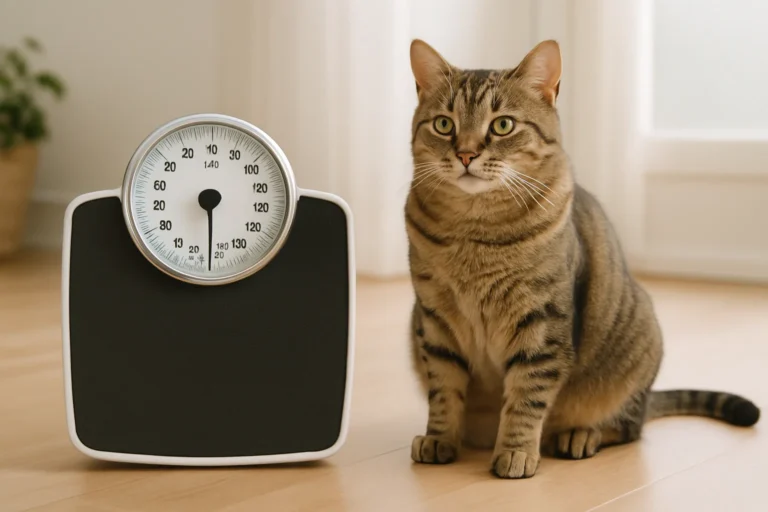
If a cat needs to gain weight, first look for the reason. Dental disease, nausea, pain, parasites, systemic illness, or stress can reduce appetite. Random table scraps may add calories without providing balanced nutrition, and rich foods can cause digestive problems. A veterinarian can recommend a calorie-dense complete food and an individualized feeding plan.
A prescribed veterinary diet should take priority over treats unless the veterinary team confirms that a particular extra is compatible with the plan.
Homemade Food vs. Commercial Cat Food: What Owners Should Know
There is a major difference between a homemade treat and a homemade diet. A small piece of plain cooked meat is simple to portion, but building every meal at home requires careful nutritional balancing. Cats need more than protein alone, and an improvised recipe may not provide all the nutrients required for long-term health.
For most cats, complete and balanced cat food should remain the nutritional foundation. Human food can be used as a topper or occasional treat when it is plain and compatible with the cat’s health needs. It should not gradually replace regular meals simply because the cat prefers the taste.
Speak with a veterinarian before changing a cat’s diet, preparing homemade meals, feeding a kitten, managing weight, or adding food to a therapeutic diet. A veterinary nutrition professional may be appropriate when a fully homemade diet is being considered.
- Homemade treats are easier to manage than homemade meals.
- Use plain cooked protein as a supplement, not a recipe foundation.
- Keep the cat’s complete and balanced food as the primary diet.
- Get professional guidance before making substantial or permanent diet changes.
Are Nutrish, Crave, and Reveal Good Cat Foods?
Questions such as “Is Nutrish a good cat food?”, “Is Crave a good cat food?”, and “Is Reveal cat food good?” are separate from the question of which human foods cats can eat. A brand name alone cannot determine whether every product in that brand is right for every cat.
Evaluate the specific formula and the individual cat. Check whether the product is appropriate for the cat’s life stage and labeled as complete and balanced when it is intended to be a main meal. Also consider the product’s ingredient information, protein sources, feeding directions, and how well your cat maintains appetite, stool quality, body condition, and overall wellbeing on it.
Some products within a brand may be complete meals, while others may be complementary foods, toppers, or treats. Read the package statement for the exact product rather than judging the whole brand by one recipe. If your cat has a medical condition, ask your veterinarian whether the formula fits the prescribed nutritional goals.
The Best Human Food for Cats Is Plain, Small, and Occasional
For most healthy cats, the safest human-food treats are tiny portions of plain cooked chicken, turkey, lean meat, boneless fish, or egg. Plain pumpkin, rice, banana, vegetables, bread, and oatmeal are lower-priority extras and should never displace a complete diet.
Avoid seasoned leftovers, toxic ingredients, bones, raw dough, rich scraps, and questionable mixed dishes. When your cat is a kitten, has urinary or weight concerns, or eats a veterinary diet, ask your veterinarian before adding human food.
Can cats eat bananas?
Some cats can tolerate a tiny piece of banana as an occasional treat. Banana is not necessary for cats, and it should not become a regular part of the diet.
Can cats eat bread?
A small amount of plain baked bread is generally a low-value treat, not a useful regular food. Never offer bread containing raisins, garlic, onion, chocolate, sweeteners, or raw dough.
Can cats eat oatmeal with milk?
Oatmeal with milk is not a good choice because milk can cause digestive upset in cats. If plain cooked oatmeal is offered at all, give only a tiny amount without milk, sugar, salt, or flavorings.
What is the safest treat-like human food for most cats?
A tiny piece of plain, fully cooked, boneless chicken or turkey is a practical choice for many healthy cats. Remove skin and seasoning, and ask your veterinarian first if your cat has a medical condition or prescribed diet.