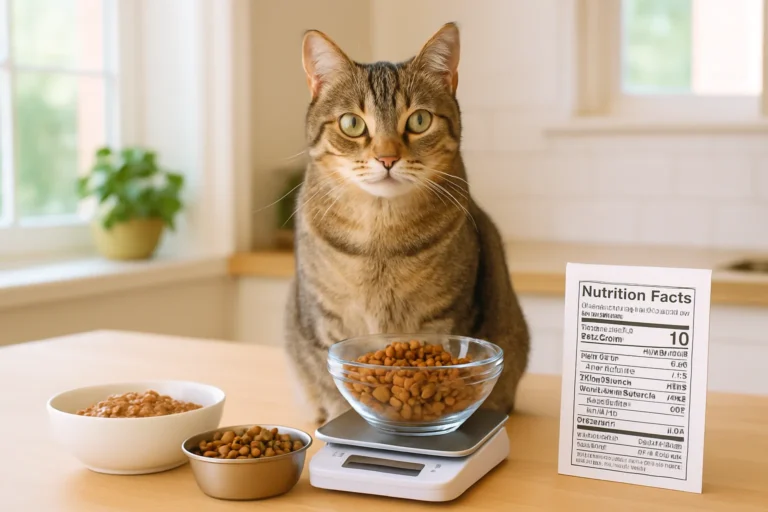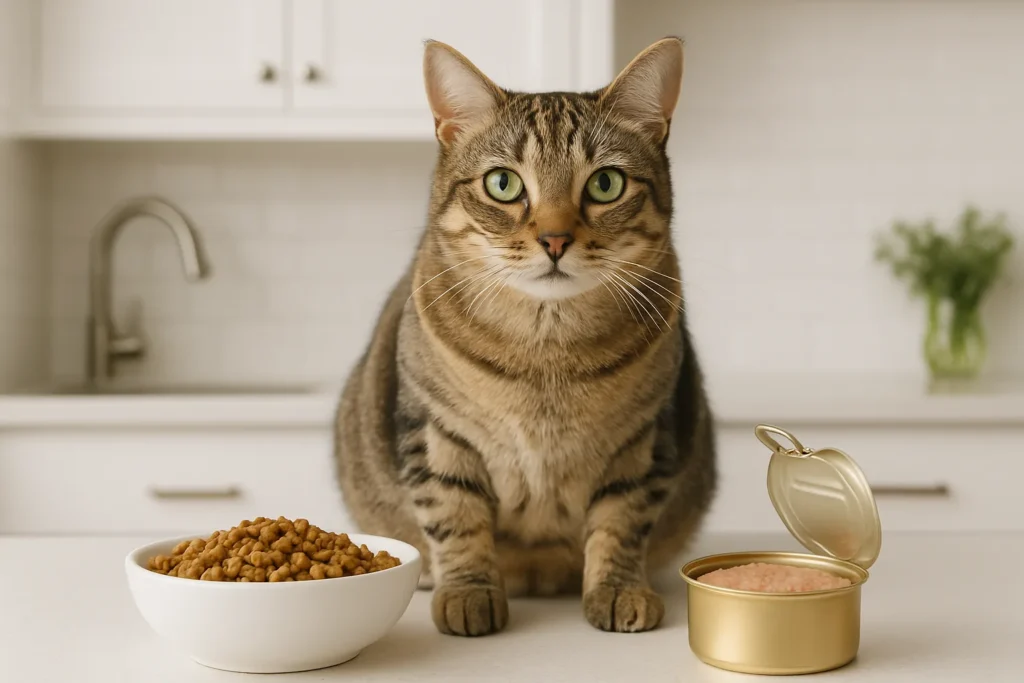
Choosing cat food with low carbs is less about finding a magic marketing term and more about comparing complete formulas on a consistent basis. Cats are obligate carnivores, so many owners look for food that emphasizes animal-based protein and limits unnecessary starch.
This guide explains how to estimate carbohydrates from a label, compare wet and dry food, balance protein with calorie density, shop for non-prescription or more affordable choices, and review phosphorus details when another health-related priority is involved.
What Counts as Cat Food With Low Carbs?
Low-carb cat food is a formula that supplies a relatively small share of its energy from carbohydrates compared with typical alternatives. There is no single official definition that applies to every product, so comparisons are meaningful only when foods are assessed using the same basis, such as dry matter or calories.
Cats can use carbohydrates, but their natural nutritional adaptation favors animal-derived protein and fat. A lower-carbohydrate formula may therefore appeal to owners who want to reduce starch while keeping meat, poultry, or fish ingredients central to the diet. It should still be complete and balanced for the cat’s life stage.
Grain-free does not automatically mean low carb. Rice, corn, wheat, and barley are grains, but grain-free recipes can still contain peas, potatoes, tapioca, lentils, or other carbohydrate-rich ingredients. The ingredient list and guaranteed analysis provide more useful clues than the front of the package.
Wet foods often appear lower in carbohydrates because their high moisture content leaves less room for concentrated starch. Dry foods need starch or another binding system to form kibble, although the amount and type can vary considerably. Always compare products on a consistent basis rather than comparing label percentages directly.
Daily calorie needs depend on body weight, life stage, and activity. This article explains how veterinarians estimate energy requirements without publishing a precise chart here. Ask your veterinarian for individualized feeding guidance.
How to Estimate Carbs From the Label
Cat food labels commonly list protein, fat, fiber, moisture, and sometimes ash in the guaranteed analysis, but carbohydrate is often omitted. A rough carbohydrate estimate can be made by subtracting the listed protein, fat, fiber, moisture, and ash from the whole-food total. This is commonly called an estimate of nitrogen-free extract, not a laboratory carbohydrate result.
Moisture is the reason direct label comparisons can mislead. Canned food contains much more water than kibble, so its listed protein and fat percentages look smaller even when the food may supply substantial nutrients after water is removed. To compare wet and dry products fairly, convert the analysis to a dry-matter basis or use manufacturer-provided nutrient information.
If ash is not listed, the estimate becomes less precise. Do not treat the missing value as zero. Instead, use the result as a rough screening tool and ask the manufacturer for a typical analysis when an exact comparison matters.
Look beyond the arithmetic for signs of hidden starch. Several starches appearing high in the ingredient list, a grain-free recipe built around potatoes or legumes, or a kibble that relies heavily on plant binders may indicate more carbohydrate than its marketing suggests. Ingredient order is not a substitute for analysis, but it can help explain the estimate.
- Record protein, fat, fiber, moisture, and ash when available.
- Estimate carbohydrate by difference rather than treating the label as a direct carbohydrate declaration.
- Compare wet and dry foods on a dry-matter or calorie basis.
- Contact the manufacturer when ash, calories, or a typical nutrient analysis is missing.
How to Choose a Low-Carb Formula That Is Also High in Protein
A low carbohydrate percentage alone does not guarantee good nutrition. Start by checking whether the food is complete and balanced for your cat’s life stage, then examine the protein sources. An animal protein should appear prominently in the ingredient list, with named ingredients such as chicken, turkey, beef, lamb, or fish generally easier to evaluate than vague descriptions.
Protein percentage and protein quality are different considerations. A formula can show a high crude-protein figure while obtaining part of that protein from plant ingredients. Plant ingredients are not automatically harmful, but they should not obscure whether the recipe provides a strong animal-protein foundation.
When carbohydrates are reduced, calories commonly come from protein and fat. Fat is energy-dense and can make portions smaller, so calorie density matters when managing weight. Choose a formula that suits your cat’s body condition and feeding routine rather than assuming that the lowest carbohydrate estimate is automatically the best choice.
Ingredients such as named meats, poultry, or fish near the beginning of the list can support a carnivore-appropriate formulation. By contrast, multiple starches, vague meat descriptions, and a recipe dominated by plant ingredients deserve closer review. These clues must be considered alongside the full nutrient profile and feeding directions.
Wet Cat Food With Low Carbs: Pros, Cons, and Best Fit
Wet cat food with low carbs is often the simplest place to begin because canned and pouch foods contain substantial moisture and do not need to hold a dry kibble shape. Many wet recipes consequently rely less on starch, though the actual carbohydrate content still varies by formula.
The moisture in canned food can support overall water intake, while individual portions may make meal planning easier. Wet food can also be useful when a cat prefers a soft texture or when an owner wants to make the proportion of each meal easier to control.
Tradeoffs include higher cost per calorie for some diets, refrigeration after opening, shorter serving windows, and texture preferences. Some cats reject pâté, chunks, or shredded foods, so a nutritionally suitable formula is only practical if the cat will eat it consistently.
A primarily wet, lower-carbohydrate diet may suit cats that readily eat canned food and whose owners can manage storage and scheduled meals. Make changes gradually, monitor appetite and body condition, and avoid reducing total food abruptly without professional guidance.
Dry Cat Food With Low Carbs: What to Watch For
Dry cat food usually needs starch or another carbohydrate-rich binder to create a stable kibble. That makes very low-carbohydrate kibble more difficult to formulate than wet food, and a product described as low carb still deserves a careful label review.
Compare kibbles using the same estimated carbohydrate method and, when possible, the same dry-matter or calorie basis. Look for a prominent animal-protein ingredient, a clear calorie statement, and a starch profile that does not rely on several carbohydrate sources grouped throughout the ingredient list.
Dry food is convenient, easy to store, and simple to portion, but it is concentrated because it contains little water. Calorie density can make a modest-looking scoop supply more energy than expected. Use a measured portion and reassess it as your cat’s weight, activity, or health status changes.
For some households, the practical compromise is a measured amount of dry food combined with wet meals. This can improve convenience while reducing reliance on kibble, but the combined daily calories and estimated carbohydrate contribution still need to be considered.
Non-Prescription and Affordable Low-Carb Options: How to Shop Smarter
Non-prescription cat food with low carbs is available for general nutrition goals, but a non-prescription label does not make a food appropriate for every medical condition. Begin by separating must-haves from preferences: complete-and-balanced nutrition, acceptable animal-protein sources, a manageable carbohydrate estimate, and a format your cat will eat should come before packaging claims.
For affordability, compare cost per day rather than the price of a bag or can. A food with a lower purchase price may require a larger portion because of its calorie density, while a more expensive food may last longer. Use the stated calories and your cat’s individualized feeding plan to make the comparison.
A mixed feeding approach can also control costs. For example, an owner might use wet food for some meals and a carefully measured dry portion for convenience. Keep the total daily ration consistent, and avoid adding treats or toppers that quietly increase starch or calories.
If a cat has a diagnosed condition, budget decisions should be discussed with the veterinarian. The least expensive formula is not necessarily the most practical if it causes poor appetite, inconsistent intake, or difficulty managing the cat’s health.
- Confirm that the food is complete and balanced for the intended life stage.
- Estimate carbohydrates instead of relying on grain-free or high-protein wording.
- Compare cost per day and calorie density, not just package price.
- Choose a texture and feeding format your cat will reliably accept.
- Treat medical diets and general non-prescription foods as separate decisions.
Special Considerations for Diabetic Cats and Cats That Need Lower Phosphorus
Owners of diabetic cats often investigate high-protein, lower-carbohydrate foods because carbohydrate intake can be relevant to a diabetes-management plan. However, changing food can alter a cat’s blood-glucose response and may affect treatment. Coordinate any diet change with the veterinarian managing the cat’s diabetes, especially if medication is involved.
Lower carbohydrate and lower phosphorus are separate goals. A recipe can meet one preference without meeting the other, and reducing ingredients that appear starchy does not by itself establish that phosphorus is low. This is why a label that looks suitable for diabetes-related shopping may not suit a cat with a phosphorus restriction.
When seeking cat foods low in phosphorus alongside lower carbs, review the manufacturer’s typical phosphorus analysis and ask whether the value is reported as-fed, on a dry-matter basis, or per amount of energy. Those details are essential for a fair comparison. If the product does not provide the information, ask your veterinarian whether it is appropriate rather than guessing from the ingredient list.
Cats with kidney disease or another condition requiring phosphorus management need individualized nutritional advice. A lower-phosphorus preference should not override adequate calories, acceptable protein quality, hydration, or the complete dietary plan recommended for that cat.
A Simple Checklist for Comparing Any Low-Carb Cat Food
Use the following process whenever you compare formulas in a store or online. It helps separate useful nutritional information from broad claims and keeps the decision focused on your cat’s actual needs.
- Carbohydrate estimate: Record the guaranteed analysis and compare foods using the same dry-matter or calorie basis.
- Animal protein quality: Check whether named animal ingredients lead the recipe and whether plant protein appears to dominate the profile.
- Moisture and format: Decide whether wet, dry, or mixed feeding fits your cat’s hydration preferences, texture acceptance, and household routine.
- Calorie density: Use the calorie statement and an individualized feeding plan rather than estimating portions by sight.
- Phosphorus details: If phosphorus matters, obtain a comparable analysis from the manufacturer and review it with a veterinarian.
- Budget and practicality: Compare cost per day, storage needs, serving effort, and whether your cat will eat the food reliably.
- Transition plan: Introduce a new formula gradually and monitor appetite, stool quality, body condition, and any health changes.
Making a Better Low-Carb Choice
The best cat food with low carbs is not defined by a single front-of-package claim. It is a complete formula that provides appropriate animal-based nutrition, fits your preferred wet or dry format, supplies manageable calories, and works for your cat’s health and eating habits.
Estimate carbohydrates consistently, question grain-free marketing, and request missing phosphorus or nutrient information when it matters. For diabetes, kidney concerns, or any other diagnosed condition, use the label as a starting point and make the final diet decision with your veterinarian.
What percentage counts as low carb for cat food?
There is no universal percentage that officially defines low-carb cat food. Use a consistent dry-matter or calorie basis when comparing formulas, and ask your veterinarian what target is appropriate if the diet is being used for a health condition.
Can you buy non-prescription low-carb cat food?
Yes, non-prescription formulas with relatively low estimated carbohydrates are available. They may suit general nutrition preferences, but they are not automatically appropriate for diabetes, kidney disease, or another diagnosed condition.
Can a cat food be low carb and low phosphorus?
Yes, a formula may be relatively low in both, but those properties do not automatically occur together. Check comparable phosphorus information from the manufacturer and consult your veterinarian if your cat needs phosphorus management.