Can cats catch human colds? Usually, no. The viruses that cause the ordinary human common cold are generally different from the pathogens that cause cold-like illness in cats, so a sick person will not normally give a cat the same cold.
Cats can still sneeze, develop nasal congestion, or have watery eyes because of a feline upper respiratory infection. Some other human infections may occasionally affect cats, so sensible hygiene is worthwhile. This guide explains the difference, what symptoms to watch for, and when veterinary care is needed.
Can Cats Catch Human Colds?
The usual answer is no: cats generally do not catch the human common cold from people. Although cats and humans may share a home and have close contact, the viruses behind most human colds are not usually the same pathogens that cause respiratory infections in cats.
That does not mean every illness is unable to cross between species. Some non-cold human respiratory infections have been reported in cats, so avoid close face-to-face contact when you are ill and wash your hands before handling food, medication, or your cat.
Why a Cat Cold Is Not the Same as a Human Cold
What owners call a cat cold is usually a feline upper respiratory infection rather than the human common cold. These infections can involve viral or bacterial pathogens that are adapted to cats, and the signs may look familiar because both illnesses affect the nose, eyes, and upper airways.
Species barriers help limit cross-species transmission. A pathogen that infects one species may be unable to enter, reproduce in, or spread effectively through another species. This is why sharing a household with someone who has a common cold does not usually make a cat sick with that same cold.
What Cats Usually Catch Instead: Feline Upper Respiratory Infections
A feline upper respiratory infection affects the nose, throat, sinuses, and sometimes the eyes. It is the more likely explanation when a cat appears to have a cold, particularly if the cat has recently been around other cats or has experienced a stressful change.
Many infections are mild, but they can be more serious for kittens, senior cats, and cats with weakened immune systems or other health problems. Because several conditions can cause similar signs, a veterinarian may need to assess the cat rather than relying on the appearance of symptoms alone.
Cat Cold Symptoms to Watch For
Cold-like signs in cats commonly involve the eyes and upper airways. Watch for:
- Sneezing
- A runny or congested nose
- Watery or goopy eyes
- Coughing or noisy breathing
- Reduced appetite, sometimes because congestion makes food harder to smell
- Low energy, fever, or signs of dehydration
Can My Cat Get Sick From Me Being Sick?
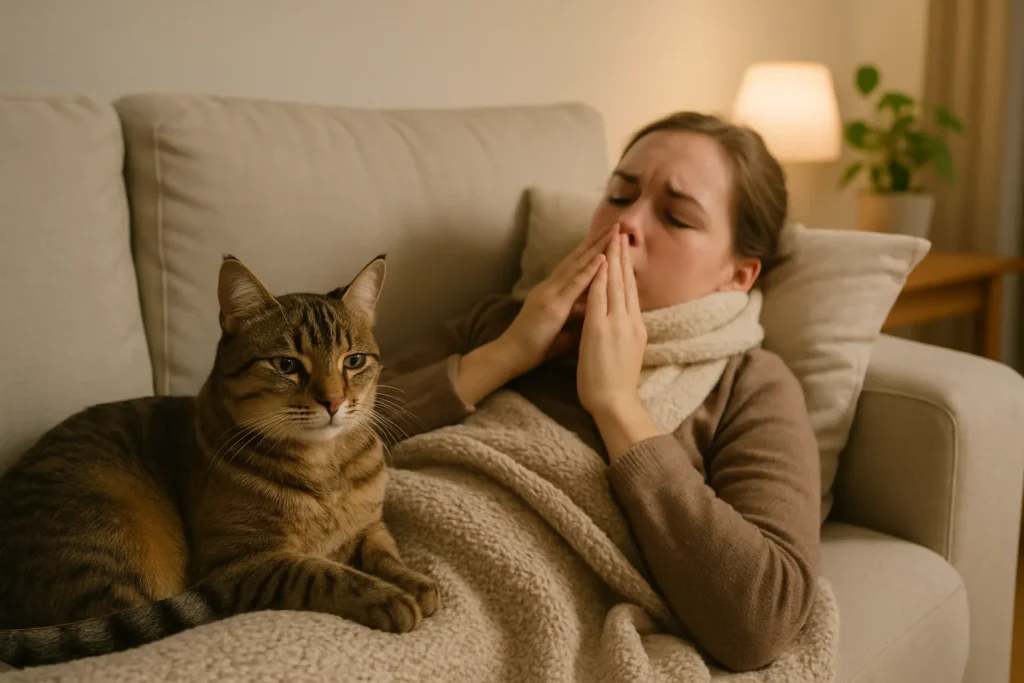
A common human cold usually does not pass to a cat, but the broader question is more complicated because not all human respiratory illnesses are alike. Some infections have been reported to cross species, so use extra care when you are unwell without assuming that every cough or sneeze is a danger to your cat.
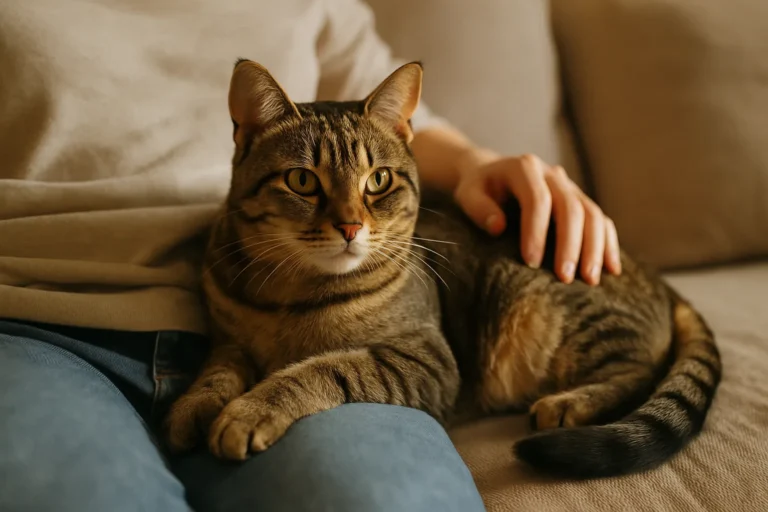
Wash your hands before and after caring for your cat, especially before feeding, medicating, or cleaning bowls. While sick, avoid sharing pillows or food utensils and limit face-to-face contact. These steps are precautions, not a reason to avoid necessary care or affection altogether.
How Indoor Cats Catch Cold-Like Illnesses
An indoor cat can develop a feline upper respiratory infection without spending time outdoors. Cat-to-cat spread may occur through close contact, grooming, shared bowls, bedding, carriers, or other contaminated items.
Exposure can happen during boarding, rescue or shelter intake, veterinary visits, or the introduction of a new pet. Stress may also contribute to flare-ups or make symptoms harder for a susceptible cat to manage. An indoor lifestyle reduces some exposures, but it does not eliminate all routes of infection.
Can Cats Catch a Cold From Other Cats?
Yes, feline upper respiratory infections can spread from cat to cat, making another cat a more likely source of a cat cold than a person with an ordinary human cold. Close living spaces can make transmission easier.
Spread may involve respiratory droplets, grooming, shared objects, and direct contact. If one cat is sneezing or has eye or nose discharge, separate that cat from other cats when practical, provide separate supplies, and ask a veterinarian how to manage the household.
What to Do if Your Cat Has Cold-Like Symptoms
Start by observing the details that help show whether the illness is mild or becoming more concerning. Monitor eating, drinking, breathing, litter box use, and energy level, and note whether the symptoms are improving, stable, or worsening.
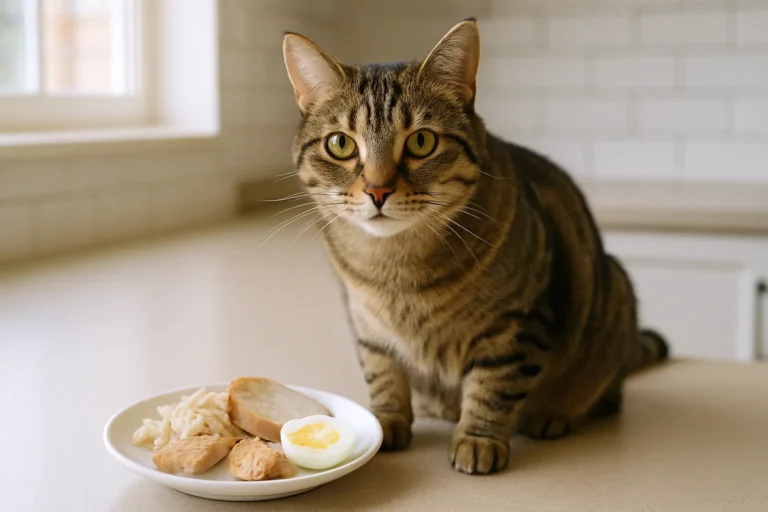
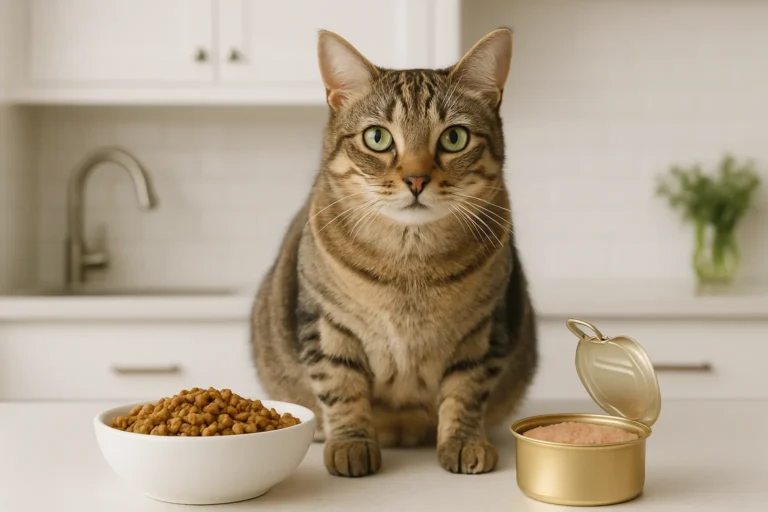
Keep the cat warm, comfortable, and hydrated. If a veterinarian agrees that home monitoring is appropriate, aromatic wet food may make eating more appealing when congestion reduces the cat’s sense of smell. Do not give human cold medicines or other medications unless a veterinarian has specifically prescribed them for your cat.
When to Call the Vet
Contact a veterinarian promptly if your cat has trouble breathing, open-mouth breathing, or wheezing. Refusal to eat or drink, marked weakness, or possible dehydration also warrants professional advice.
Eye swelling or thick discharge should be assessed, particularly if the cat seems painful or cannot open an eye normally. Arrange veterinary care when symptoms last more than a few days, worsen, or affect normal eating and activity. Kittens, senior cats, and cats with chronic illness may need attention sooner because they can be more vulnerable to complications.
How to Reduce the Risk of Passing Germs Between You and Your Cat
Good hygiene is a practical way to reduce contact with infectious material, whether the concern begins with a person or another cat. Wash your hands before and after handling your cat, food bowls, medication, bedding, or tissues.
Clean bowls, bedding, carriers, and frequently touched surfaces regularly. Limit close face contact while you are sick, and keep a symptomatic cat separate from other cats when possible. Routine veterinary care and recommended vaccines can also support your cat’s protection against important feline illnesses.
The Bottom Line
Cats usually do not catch the human common cold, so a cat with sneezing or watery eyes is more likely to have a feline upper respiratory infection or another feline health problem. Indoor cats can still encounter these infections through other cats, shared items, or stressful events.
Use careful hygiene, monitor your cat’s appetite and breathing, and avoid human cold medicines. Seek veterinary advice for severe, worsening, persistent, or concerning symptoms, especially in kittens, senior cats, and cats with existing health conditions.
Can cats catch human flu?
Human flu is not the same as a typical cat respiratory infection, and transmission is not expected in the same way as cat-to-cat spread. However, different influenza viruses can behave differently, so contact a veterinarian if your cat becomes ill after a potentially relevant exposure.
Do cat colds go away on their own?
Some mild feline upper respiratory infections improve with supportive care, but not every cold-like illness is harmless. Monitor eating, drinking, breathing, and energy, and contact a veterinarian if symptoms worsen, persist, or affect normal behavior.
How did my indoor cat get a cold?
Indoor cats can encounter feline respiratory pathogens through other cats, shared bowls or bedding, carriers, boarding, shelter or rescue exposure, veterinary visits, or a newly introduced pet. Stress can also contribute to flare-ups or worsen signs.
Can you catch a cold from a cat sneeze?
A typical feline upper respiratory infection is not the same as the human common cold, so it does not usually make people catch a cold. Still, avoid direct exposure to discharge, wash your hands, and ask a healthcare professional about unusual symptoms or special health risks.