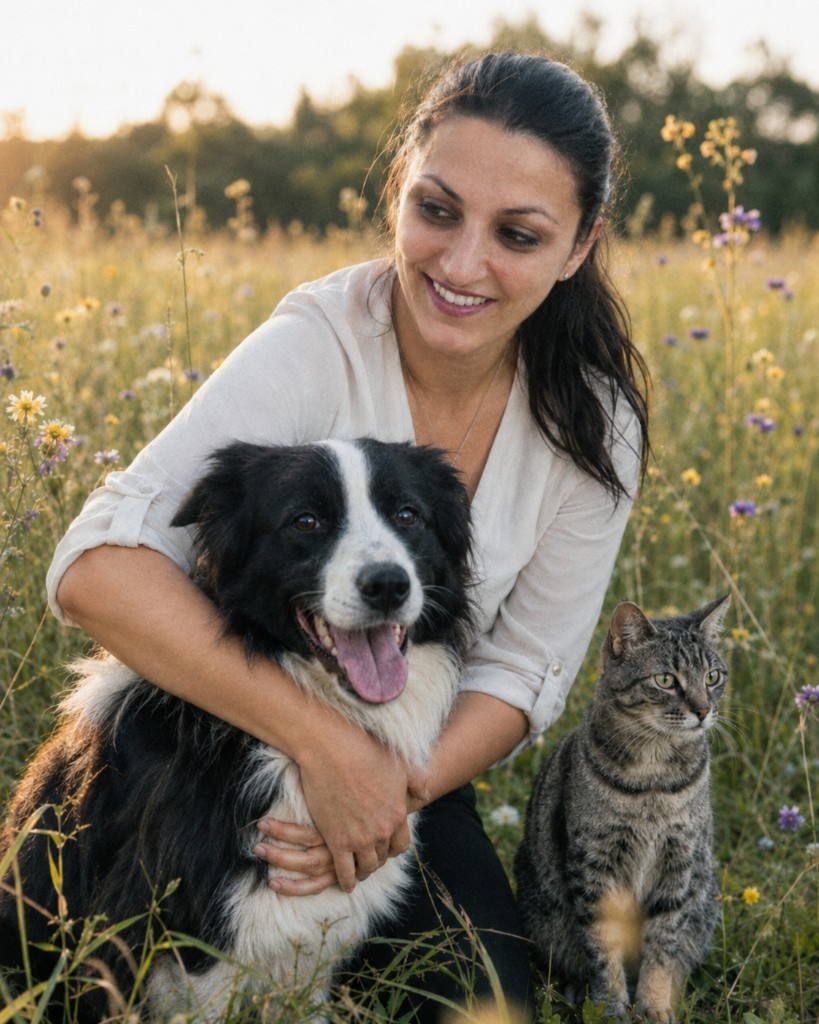
If you are wondering, “Why is my dog being so clingy?” the answer may be as simple as affection, habit, or a preference for your company. Dogs often stay close to the person who provides food, exercise, training, safety, and predictable attention. Leaning against you, resting nearby, requesting petting, or checking where you are can all be normal signs of a strong social bond.
The more important question is whether your dog can also relax without constant contact. When owners ask, “Why is my dog clingy?” or “Is my dog too attached to me?” the deciding factors are context, intensity, and change from the dog’s normal behavior. Calm closeness is usually healthy, while panic during separation, sudden neediness, or an inability to function independently deserves closer attention.
What it usually means when your dog is so attached to you.
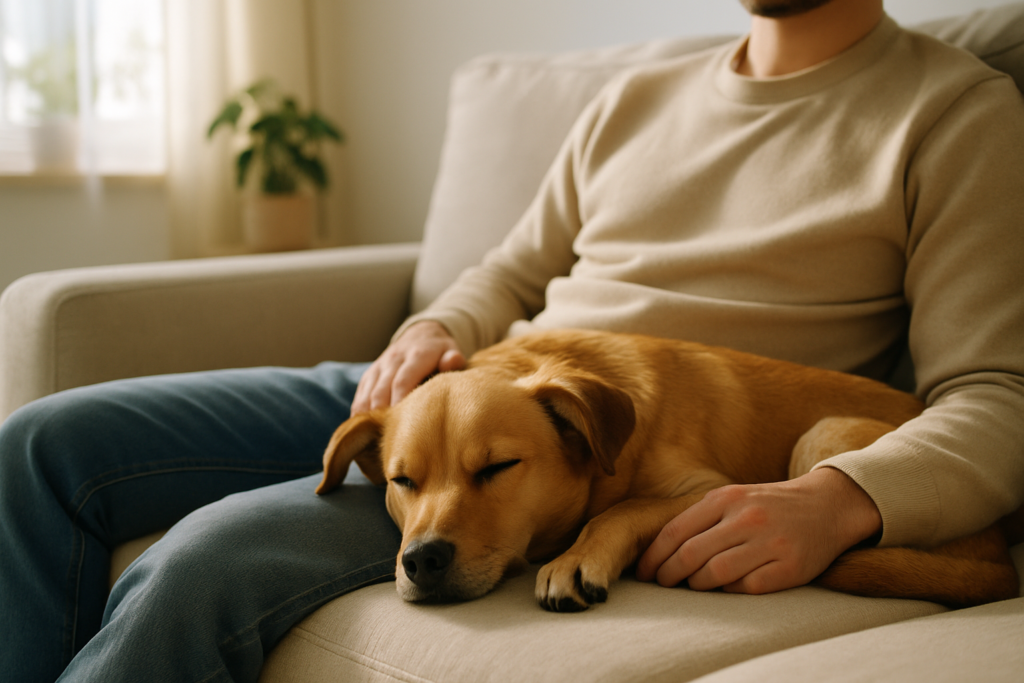
Attachment is the emotional bond that helps a dog view a familiar person as a source of safety and support. A securely attached dog may seek you out after a startling event, enjoy being near you, and greet you warmly while still being able to eat, play, explore, and rest independently.
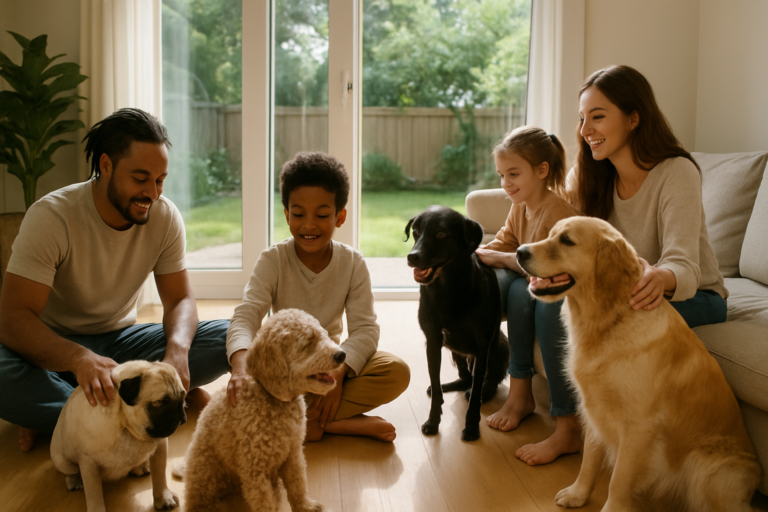
Dogs can also develop a favorite-person preference. Your dog may respond most readily to your voice, choose to sleep near you, bring you toys, or look to you for guidance in unfamiliar situations. This preference does not necessarily mean the dog dislikes other household members.
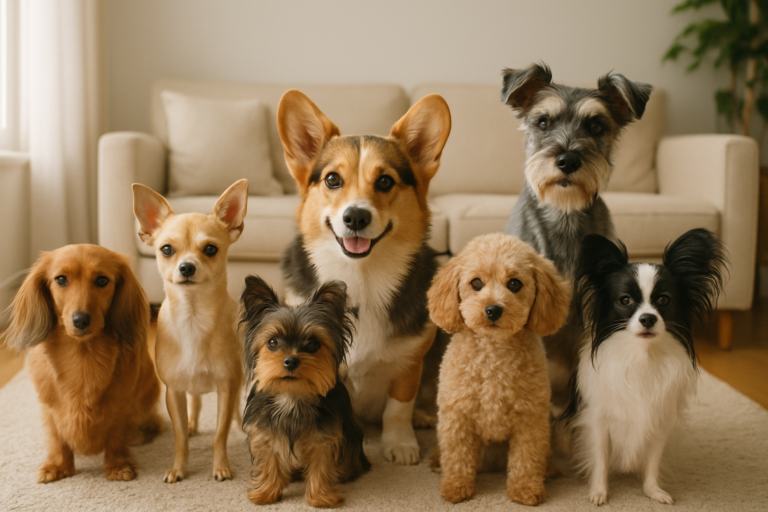
Breed tendencies can influence proximity-seeking because some dogs were selected to work closely with people, but breed does not determine whether attachment will become unhealthy. Early experiences, reinforcement history, age, temperament, health, and daily routine are often more informative than breed alone.
- Your dog chooses to rest near you but can also sleep in another comfortable location.
- Your dog enjoys affection without demanding uninterrupted physical contact.
- Your dog checks in with you and then returns to sniffing, playing, or exploring.
- Your dog eats, drinks, and engages with toys when you are not immediately beside them.
- Your dog shows relaxed body language, such as soft eyes, loose muscles, and comfortable resting positions.
Healthy attachment and separation anxiety have important differences.
A clingy dog does not automatically have separation anxiety. Some dogs prefer constant company while an owner is home but settle after that person leaves. Separation anxiety involves significant distress associated with actual or anticipated separation, rather than affection alone.
Because many separation-related behaviors occur after the household is empty, a camera can provide useful context. Record several ordinary departures and observe the first 30 to 60 minutes without deliberately provoking distress. Note whether your dog settles, remains mildly alert, or becomes increasingly panicked.
A single chewed object or occasional bark does not establish separation anxiety. Look for a repeatable cluster of behaviors linked specifically to your departure, particularly if the behavior begins within minutes and continues rather than fading.
| The pattern is described here. | Healthy attachment usually looks like this. | Separation-related distress may look like this. |
|---|---|---|
| Your dog reacts to departure cues. | Your dog notices your routine but remains able to eat, rest, or play. | Your dog pants, trembles, paces, hides, vocalizes, or follows you frantically as you prepare to leave. |
| Your dog behaves after you leave. | Your dog settles within a reasonable period and spends much of the time resting. | Your dog repeatedly howls, barks, destroys exit areas, urinates, defecates, drools heavily, or attempts to escape. |
| Your dog responds to a closed door or barrier. | Your dog may wait briefly but can redirect to another activity. | Your dog scratches, cries, slams into the barrier, or cannot recover while separated from you. |
| Your dog functions when you are unavailable. | Your dog can accept food, interact with trusted people, and relax without direct access to you. | Your dog refuses valued food, cannot rest, or remains intensely focused on regaining access to you. |
- Observe whether the behavior occurs only when you leave or also appears during boredom, excitement, and requests for attention.
- Check whether your dog can settle behind a gate or on a separate bed while you remain visible.
- Record whether distress begins before departure, immediately afterward, or much later.
- Look for physical signs of panic rather than relying only on barking or household damage.
- Ask whether the behavior is stable, gradually worsening, or a sudden change from your dog’s baseline.
Common reasons explain why dogs are so clingy or appear obsessed with one person.
When an owner says, “Why is my dog obsessed with me?” the behavior usually reflects learning, emotion, unmet needs, or a strong caregiving history rather than obsession in the human clinical sense. Several causes can also operate at the same time.
1. Attention can unintentionally reinforce clingy behavior.
Dogs repeat actions that produce useful outcomes. If pawing, whining, leaning, or following always results in petting, conversation, food, or play, your dog may learn that persistent contact is an effective strategy. Even occasionally giving in can maintain the behavior because the dog keeps trying in case this attempt works.
2. Stress can increase your dog’s need for reassurance.
Moving, schedule changes, conflict in the home, construction noise, visitors, a new baby, another pet, or the loss of a companion can make a dog seek greater proximity to a trusted person. Closeness can help the dog feel safer while adjusting.
3. Boredom can turn you into your dog’s main source of activity.
A dog with too little exercise, sniffing, play, training, chewing, or social interaction may repeatedly approach you because nothing else is rewarding. This pattern is especially likely when clinginess increases on quiet days and improves after appropriate activity.
4. Fear can make physical proximity feel necessary.
Noise sensitivity, unfamiliar environments, limited early socialization, or a frightening experience can make a dog use a familiar person as a secure base. Fear-based clinginess may occur with a tucked tail, lowered posture, trembling, panting, scanning, hiding, or reluctance to move away.
5. Your dog’s life stage can affect independence.
Puppies naturally need supervision and reassurance while learning how the household works. Adolescents can temporarily become more sensitive or uncertain, while senior dogs may stay closer because of reduced hearing, declining vision, pain, disrupted sleep, or cognitive changes.
6. A strong caregiving history can deepen person-specific attachment.
Dogs commonly prefer the person associated with predictable feeding, walks, training, play, protection, and comfort during illness or fear. A rescue dog may become especially attached to the first household member who consistently made interactions feel safe.
Your dog may be attached to you specifically and not another family member.
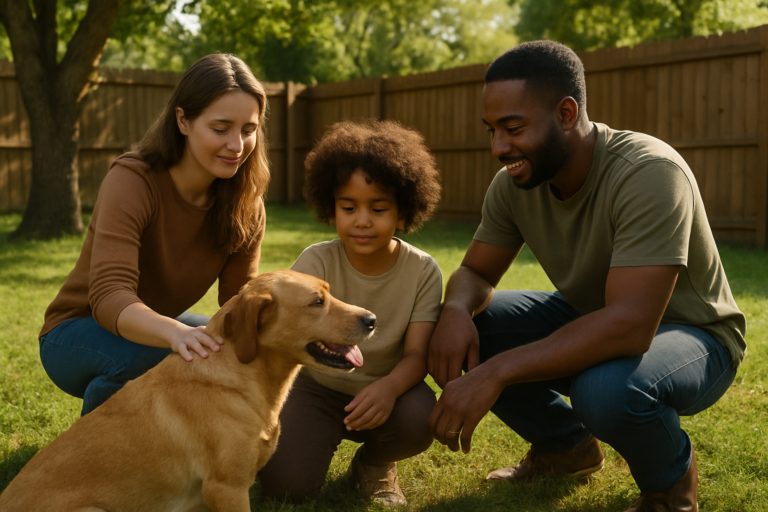
If you are asking, “Why is my dog so attached to me and not my husband?” compare the dog’s experiences with each person rather than treating affection as a competition. The preferred person may provide more daily care, use clearer cues, move more predictably, or respond more consistently when the dog needs help.
Voice, posture, pace, and energy level also matter. A cautious dog may prefer the quieter person, while an energetic dog may gravitate toward the family member who plays and explores. Past socialization can affect comfort with particular voices, body types, movements, or interaction styles.
Some dogs naturally form one primary attachment while maintaining positive relationships with everyone else. This arrangement is not a problem if the dog remains comfortable and functional when the preferred person is unavailable.
- Other family members can take over some enjoyable activities, including meals, walks, games, and short reward-based training sessions.
- They should allow the dog to approach voluntarily instead of cornering, hugging, lifting, or insisting on contact.
- They can use consistent cues and respect signals that indicate the dog needs space.
- The preferred person can step back from selected routines gradually without abruptly withdrawing comfort or care.
- Everyone should avoid competing for the dog’s attention or punishing the dog for choosing one person.
Clinginess that appears all of a sudden deserves closer observation.
The question “Why is my dog so attached to me all of a sudden?” is different from asking about a lifelong personality trait. A clear change from baseline can follow travel, a move, altered work hours, guests, family conflict, a new pet, a recent loss, or exposure to storms, fireworks, construction, or other neighborhood stressors.
Sudden clinginess can also accompany pain, digestive discomfort, urinary problems, weakness, sensory decline, neurological changes, or age-related cognitive dysfunction. Watch for changes in appetite, thirst, movement, sleep, toileting, breathing, grooming, orientation, or tolerance of handling.
Hormonal and reproductive factors may occasionally affect behavior. An unspayed female may behave differently during a heat cycle, pregnancy, or false pregnancy, while an intact male may become restless when a female in heat is nearby. These possibilities should not be used to dismiss abrupt behavioral changes, especially when other symptoms are present.
| The situation is described here. | A reasonable next step is described here. |
|---|---|
| The clinginess began after an identifiable household or schedule change, and your dog otherwise appears well. | Restore a predictable routine, reduce stress, provide calm enrichment, and track whether the behavior improves. |
| The clinginess appears during storms, fireworks, visitors, or another specific trigger. | Increase distance from the trigger, provide a safe resting area, and use gradual behavior work rather than forced exposure. |
| The clinginess is accompanied by pain, weakness, appetite changes, confusion, toileting changes, or unusual breathing. | Contact your veterinarian promptly and describe both the behavioral and physical changes. |
| The behavior becomes panic whenever you prepare to leave or become inaccessible. | Record the behavior safely and consult your veterinarian or a qualified separation-anxiety professional. |
A female dog can become suddenly clingy for behavioral or medical reasons.
If you are wondering why your female dog is suddenly clingy, consider recent stress, discomfort, routine changes, aging, and reproductive status. Nesting, mammary changes, appetite changes, discharge, vomiting, lethargy, or increased thirst warrant veterinary guidance, particularly in an unspayed dog.
A male dog can also become clingy all of a sudden.
If you are asking why your male dog is so clingy all of a sudden, use the same change-from-baseline approach. Stress, pain, illness, aging, and environmental events are more useful starting points than sex alone, although an intact male may also react to the scent of a nearby female in heat.
Several factors explain why your dog always has to be touching you.
Dogs seek tactile contact by leaning, sitting on feet, pressing against legs, placing a paw on a person, climbing into a lap, or sleeping with part of the body touching someone. Contact can provide warmth, comfort, social connection, and information about your location and movement.
Some dogs are naturally more physical, and dogs bred for close cooperation with people may be especially inclined to remain within reach. Habit matters as well, because a behavior that has reliably produced petting or reassurance is likely to continue.
Touch-seeking becomes demanding when your dog repeatedly interrupts activities, paws hard enough to scratch, pushes between people, guards access to you, or cannot settle without contact. The goal is not to eliminate affection but to teach that closeness and independent rest are both safe options.
- Offer affection when your dog is calm rather than only after persistent pawing or whining.
- Teach a cue for approved contact so your dog learns when leaning or lap time is welcome.
- Redirect your dog to a nearby mat before demanding behavior escalates.
- Reward relaxed resting that does not involve touching you.
- Give your dog predictable opportunities for affection so independence does not mean social deprivation.
Specific red flags can show that your dog is too attached to you.
Attachment becomes concerning when it restricts the dog’s ability to rest, eat, play, explore, or cope with ordinary household separation. Frequency alone is not decisive; a dog can spend much of the day nearby and still have healthy emotional flexibility.
The seriousness of the problem depends on whether the dog is merely persistent, mildly worried, or panicked. Attention-seeking that occurs in your presence often responds to routine and training changes, while panic associated with separation usually requires a slower, more individualized plan.
- Your dog cannot settle unless your body is within reach.
- Your dog constantly interrupts work, sleep, meals, or conversations with whining, pawing, barking, or climbing.
- Your dog becomes distressed when a door, gate, or a few feet of distance separates you.
- Your dog loses interest in food, toys, exploration, or familiar people whenever you are unavailable.
- Your dog guards you from people or animals by blocking, growling, lunging, or snapping.
- Your dog shows panic behaviors such as escape attempts, prolonged vocalizing, destructive behavior around exits, heavy drooling, or house-soiling during departures.
- Your dog’s clinginess has appeared suddenly or is becoming progressively more intense.
You can help a clingy dog become more confident and independent.
Independence training should make distance feel safe and rewarding rather than using exhaustion, punishment, or abrupt isolation. Work below the point at which your dog begins whining, pacing, scratching, refusing food, or trying to regain access to you.
If your dog already panics during departures, ordinary obedience exercises are not a substitute for a separation-anxiety treatment plan. Seek professional guidance rather than repeatedly leaving the dog long enough to become distressed.
1. Meet your dog’s physical, mental, and social needs.
Provide suitable exercise, sniffing opportunities, food puzzles, chewing outlets, play, and short reward-based training sessions. Match the activity to your dog’s age, health, and temperament because excessive physical exercise can create fatigue without teaching emotional independence.
2. Build a routine that includes independent downtime.
Schedule meals, activity, rest, affection, and quiet periods with reasonable consistency. Predictability can reduce repeated checking because your dog learns that attention and enjoyable activities will occur without constant prompting.
3. Teach your dog to relax on a bed or mat.
Place a mat near you, reward your dog for stepping onto it, and gradually reinforce lying down with relaxed body language. Once the behavior is easy, increase the time between rewards and move the mat slightly farther away over multiple sessions.
- Begin in a quiet room where your dog can succeed.
- Reward voluntary movement toward the mat before requiring a long stay.
- Keep early sessions brief and end while your dog remains relaxed.
- Increase either duration or distance at one time rather than making both harder together.
- Release your dog before frustration turns into whining or repeated attempts to leave.
4. Notice and reward calm behavior away from you.
Quietly place a treat near your dog when they choose another bed, engage with a toy alone, or remain relaxed while you move around. This approach gives independent behavior value instead of reserving all rewards for moments when the dog is touching or following you.
5. Practice brief separations that remain easy.
Take one step away, pass behind a barrier for a second, or close a door briefly, and return before your dog becomes distressed. Increase difficulty in small, uneven increments while including easier repetitions. If your dog stops eating, stiffens, vocalizes, or rushes the barrier, shorten the next repetition.
6. Respond consistently to pushy attention-seeking.
Do not automatically pet or play after every paw, bark, or nudge. When you are confident the dog’s needs are met and the behavior is not fear-based, pause briefly and offer attention after a moment of calm or cue an alternative behavior such as settling on a mat.
7. Keep ordinary departures and reunions calm.
Use a neutral routine rather than building anticipation with prolonged farewells. On returning, greet your dog warmly but calmly once all four paws are on the floor and the initial excitement is manageable. Low-key routines can reduce arousal, but they will not cure established separation anxiety by themselves.
Avoid these mistakes when your dog will not leave you alone.
Clinginess can be frustrating, but harsh responses often add uncertainty or fear. Before changing the behavior, confirm that your dog’s needs are being met and consider whether the pattern reflects attention-seeking, discomfort, or genuine anxiety.
- Do not punish following, whining, accidents, destruction, or escape attempts when fear may be involved.
- Do not shut your dog away for long periods without first teaching that short separations are safe.
- Do not use forced exposure by leaving a panicking dog alone and waiting for the dog to stop.
- Do not provide frantic reassurance every time your dog checks on you, because constant responses can make checking more persistent.
- Do not suddenly withdraw all affection, since healthy social contact remains an important need.
- Do not assume destructive behavior is spiteful, because anxiety, boredom, and incomplete training are more useful explanations.
- Do not ignore sudden clinginess or pair it with training alone when pain, illness, sensory decline, or cognitive changes may be involved.
Call your veterinarian or a behavior professional when the pattern is concerning.
Contact your veterinarian when clinginess begins suddenly without an obvious environmental explanation, especially if your dog also shows pain, weakness, appetite or thirst changes, altered sleep, confusion, house-soiling, breathing changes, or reduced tolerance of touch. A medical examination can identify or rule out conditions that training cannot address.
Seek help for suspected separation anxiety when departures trigger panic, escape attempts, injury, prolonged vocalization, destructive behavior near exits, heavy drooling, or repeated elimination. A veterinarian can assess health factors and discuss whether medication should be part of a comprehensive behavior plan.
For persistent attention-seeking or mild difficulty settling, a qualified reward-based trainer may help you structure mat work, routines, and gradual distance exercises. For severe fear, aggression, self-injury, or complex separation problems, consult a veterinary behaviorist or another appropriately credentialed professional with specific experience in the problem.
| The level of concern is described here. | The appropriate response is described here. |
|---|---|
| Your dog is affectionate but can eat, rest, play, and remain calm without touching you. | You can reinforce independent relaxation and maintain a balanced daily routine at home. |
| Your dog persistently demands attention but remains relaxed during brief separations. | You can use consistent reinforcement, enrichment, mat training, and gradual distance exercises. |
| Your dog’s clinginess is sudden or accompanied by physical or cognitive changes. | You should arrange a veterinary assessment rather than assuming the issue is purely behavioral. |
| Your dog panics, tries to escape, injures themselves, or cannot tolerate ordinary departures. | You should seek veterinary and behavior support while minimizing unavoidable periods of distress. |
Why Is My Dog So Attached to Me? Causes and Solutions: The Bottom Line
Frequently Asked Questions
How do you know if your dog is imprinted on you?
“Imprinting” is not usually the most accurate term for an adult dog’s bond with a person. Your dog may have a strong attachment if they seek you for comfort, respond readily to your cues, relax near you, and check in with you during unfamiliar situations. A secure bond also allows the dog to explore, rest, and interact with trusted people without constant distress.
What should you do if your dog is too attached to you?
Meet your dog’s daily needs, create a predictable routine, teach mat or settle skills, reward calm behavior at a distance, and practice very brief separations below the dog’s distress threshold. If the dog panics, damages exits, attempts to escape, or cannot eat when alone, consult your veterinarian and a qualified behavior professional.
Why is my dog so attached to me and not my husband?
Your dog may associate you with more feeding, walking, training, play, comfort, or predictable communication. Temperament and past socialization can also make one person’s voice, movement, or energy feel safer. Your husband can build trust through enjoyable routines and voluntary interaction without forcing physical contact.
Why is my female dog suddenly clingy?
A female dog may become suddenly clingy because of stress, pain, illness, aging, a routine change, or a frightening event. Heat cycles, pregnancy, and false pregnancy may also affect an unspayed dog’s behavior. Contact your veterinarian if the change persists or accompanies lethargy, discharge, nesting, vomiting, increased thirst, appetite changes, or discomfort.
Why is my male dog so clingy all of a sudden?
Sudden clinginess in a male dog can result from stress, pain, illness, aging, sensory decline, or an environmental change. An intact male may also react to a nearby female in heat, but sex alone does not explain an abrupt behavioral change. A veterinary assessment is appropriate if the behavior persists or appears with other symptoms.
What is the most clingy dog breed?
No single breed is guaranteed to be the most clingy. Dogs bred for close cooperation or companionship, including Vizslas, Labrador Retrievers, Italian Greyhounds, Cavalier King Charles Spaniels, and some herding breeds, may show strong proximity-seeking tendencies. Individual temperament, learning history, health, and routine remain more predictive than breed alone.
Why does my dog always have to be touching me?
Your dog may touch you for warmth, comfort, safety, affection, or because leaning and pawing have previously earned attention. The behavior is usually harmless if your dog can also relax independently. It becomes concerning when your dog cannot settle without contact, guards access to you, or becomes distressed whenever you move away.