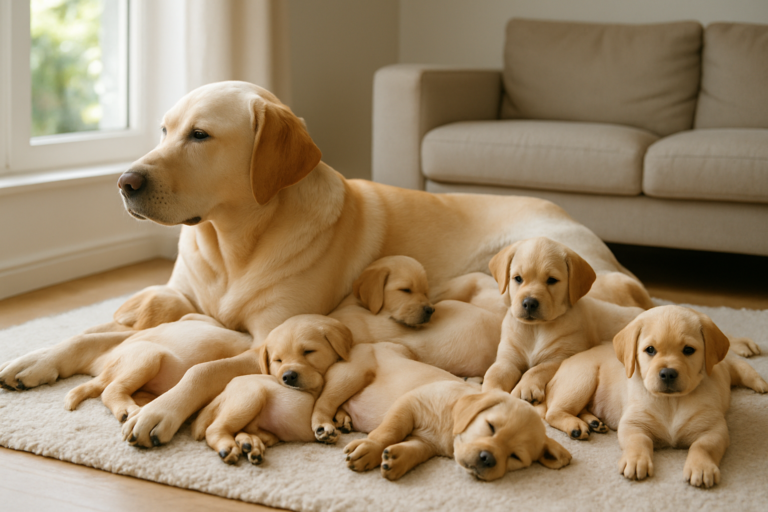
A tiny puppy will not necessarily become a tiny adult. Puppies from many breeds look equally compact at eight weeks old, but their mature weights, heights, bone structures, and exercise needs can differ substantially.
If you are wondering what dogs stay small, focus on verified adult measurements rather than current puppy size. This guide compares small dogs that do not grow big, including delicate toy breeds and sturdier small breeds, without treating every compact dog as interchangeable.
What counts as a dog that stays small?
There is no single universal cutoff, but dogs weighing no more than about 25 pounds and standing roughly 17 inches or less at the shoulder are commonly considered small. Within that category, especially compact toy breeds often weigh 10 pounds or less, while sturdier small breeds generally weigh between 11 and 25 pounds.
Adult weight is usually more useful than puppy weight because it better reflects handling needs, feeding costs, physical resilience, and portability. Height also matters, however, because a long-legged 12-pound dog can require more space than a shorter dog of the same weight.
Purebred dogs usually have a more predictable size range because generations of selection have established consistent traits. A mixed-breed puppy can still remain small, but its adult size may be harder to estimate when its parentage is unknown.
| Which size tier is being described? | What is the typical adult weight? | What should an owner expect? |
|---|---|---|
| The toy tier includes the smallest established breeds. | Most toy dogs weigh approximately 3 to 10 pounds as adults. | These dogs are highly portable but can be physically delicate. |
| The compact small tier includes dogs with more body weight and bone. | Most compact small dogs weigh approximately 11 to 18 pounds as adults. | These dogs can offer a useful balance between portability and sturdiness. |
| The upper small tier includes compact breeds near the category limit. | These dogs commonly weigh approximately 19 to 25 pounds as adults. | These dogs need more room and exercise than many toy breeds. |
Why puppy size can be misleading
Young puppies can look similarly tiny even when their expected adult sizes are very different. Breed, parental size, sex, nutrition, health, and growth rate all affect development, so a puppy’s current weight provides only part of the picture.
Genetics are the strongest clue to mature size. Small breeds generally reach physical maturity sooner than large breeds, but individual puppies may experience growth spurts at different times.
- Ask for the measured adult weights and heights of both biological parents whenever that information is available.
- Check the breed’s established adult range instead of relying on labels such as teacup, micro, or pocket.
- Ask a veterinarian to assess the puppy’s age, body condition, development, and likely growth trajectory.
- Ask a rescue organization what it knows about the puppy’s parents, littermates, age, and previous weight records.
- Treat estimates for mixed-breed puppies as ranges rather than guarantees because inherited size traits can be unpredictable.
Tiny dog breeds that stay tiny
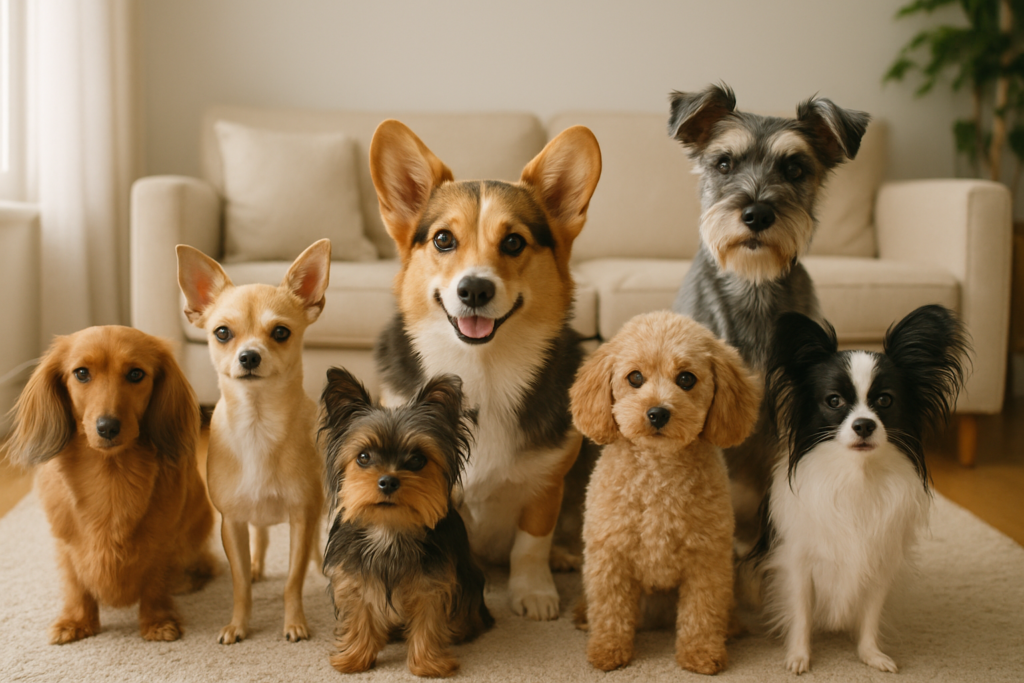
The smallest dogs that do not grow into medium-sized adults are usually established toy breeds. They save space, but their small bodies do not eliminate their need for training, exercise, grooming, preventive care, or supervision.
| Which breed stays tiny? | What adult size is typical? | What are its temperament and exercise needs? | What grooming and household fit should owners expect? |
|---|---|---|---|
| The Chihuahua is one of the smallest recognized companion breeds. | An adult Chihuahua generally weighs no more than 6 pounds and stands about 5 to 8 inches tall. | This alert, devoted dog needs daily activity but can receive much of it through short walks and indoor play. | Smooth coats need little grooming, while long coats need more brushing, and either variety fits gentle households prepared to manage barking and fragility. |
| The Pomeranian is a tiny spitz with a substantial coat. | An adult Pomeranian typically weighs 3 to 7 pounds and stands about 6 to 7 inches tall. | This lively, confident breed enjoys games, training, and short walks. | Its double coat needs frequent brushing, and its alert nature suits owners willing to teach calm behavior around noises. |
| The Yorkshire Terrier combines toy size with terrier confidence. | An adult Yorkshire Terrier usually weighs no more than 7 pounds and stands about 7 to 8 inches tall. | This affectionate but spirited breed benefits from daily play, walks, and consistent reward-based training. | Its low-shedding hair requires regular brushing and trimming, and its delicate frame is best handled carefully. |
| The Maltese is a compact companion with a long white coat. | An adult Maltese usually weighs less than 7 pounds and stands about 7 to 9 inches tall. | This sociable breed enjoys moderate play and short walks while remaining strongly people-oriented. | Its low-shedding coat needs frequent brushing or regular trimming, making it a good fit for attentive indoor homes. |
| The Papillon is a fine-boned toy spaniel known for its butterfly-shaped ears. | An adult Papillon generally weighs 5 to 10 pounds and stands about 8 to 11 inches tall. | This bright, athletic breed often excels at training and needs more mental and physical activity than its size suggests. | Its silky coat needs routine brushing, and its trainability suits engaged owners who want an active tiny dog. |
| The Toy Poodle is the smallest Poodle size variety. | An adult Toy Poodle commonly weighs about 4 to 6 pounds and stands no more than 10 inches tall. | This energetic, highly trainable dog needs daily exercise, problem-solving activities, and close social contact. | Its minimally shedding coat requires professional trimming and regular home care, but it can suit owners prioritizing trainability and reduced loose hair. |
| The Japanese Chin is a refined companion with a soft, silky coat. | An adult Japanese Chin typically weighs 7 to 11 pounds and stands about 8 to 11 inches tall. | This generally gentle, sensitive breed prefers moderate activity and calm companionship. | Its coat needs regular brushing, and its short muzzle makes heat management and careful exercise important. |
| The Russian Toy is a very fine-boned companion available in smooth- and long-coated varieties. | An adult Russian Toy generally weighs up to about 6.5 pounds and stands about 8 to 11 inches tall. | This alert, affectionate breed is lively enough to need daily play, walks, socialization, and training. | Grooming varies by coat type, and its delicate build suits quiet homes where handling can be closely supervised. |
Small dog breeds that stay small but not ultra-tiny
Not every owner needs the smallest possible dog. The following breeds remain compact as adults but generally provide more body weight or sturdier proportions than the most delicate toy breeds.
| Which compact breed is being compared? | What adult size is typical? | What are its temperament and exercise needs? | What grooming and household fit should owners expect? |
|---|---|---|---|
| The Shih Tzu is a sturdy companion beneath its abundant coat. | An adult Shih Tzu typically weighs 9 to 16 pounds and stands about 9 to 10.5 inches tall. | This affectionate breed generally needs moderate indoor play and short walks rather than prolonged strenuous exercise. | Its coat requires substantial care or regular clipping, and its short muzzle makes heat safety essential. |
| The Miniature Dachshund is low to the ground but active and determined. | An adult Miniature Dachshund generally weighs 11 pounds or less and stands about 5 to 6 inches tall. | This curious hound enjoys walks and scent games but can be independent, vocal, and challenging to housetrain. | Coat care varies by variety, and owners must protect the dog’s long back by limiting excess weight and risky jumping. |
| The Havanese is a sociable companion with a slightly sturdier toy-sized body. | An adult Havanese usually weighs 7 to 13 pounds and stands about 8.5 to 11.5 inches tall. | This friendly, adaptable breed enjoys daily walks, games, and reward-based training. | Its low-shedding coat needs frequent brushing or regular trimming, and it often fits attentive family homes. |
| The Bichon Frise is a cheerful, compact companion with a plush white coat. | An adult Bichon Frise typically weighs 12 to 18 pounds and stands about 9.5 to 11.5 inches tall. | This playful, sociable breed needs regular walks, games, training, and companionship. | Its minimally shedding coat requires frequent brushing and professional grooming, and patient housetraining is often necessary. |
| The Pug is a solidly built small companion with a short muzzle. | An adult Pug generally weighs 14 to 18 pounds and stands about 10 to 13 inches tall. | This affectionate breed enjoys moderate activity but should not undertake strenuous exercise in warm or humid conditions. | Its short coat sheds noticeably, and owners must be prepared for facial-fold care, weight management, and respiratory health concerns. |
| The Brussels Griffon is a compact companion with a distinctive expression. | An adult Brussels Griffon typically weighs 8 to 10 pounds and stands about 7 to 10 inches tall. | This sensitive, lively breed forms close bonds and needs moderate exercise plus patient training. | Coat care depends on whether the dog is smooth- or rough-coated, and the breed usually prefers a home with gentle handling. |
| The Cavalier King Charles Spaniel is a gentle companion at the upper end of the toy range. | An adult Cavalier generally weighs 13 to 18 pounds and stands about 12 to 13 inches tall. | This affectionate, sociable breed enjoys walks and play but usually settles well with its family. | Its silky coat needs regular brushing, and prospective owners should take breed-associated heart and neurological risks seriously. |
| The Boston Terrier is a compact, muscular dog rather than an ultra-tiny toy. | An adult Boston Terrier typically weighs 12 to 25 pounds and stands about 15 to 17 inches tall. | This friendly, playful breed needs daily activity but can be sensitive to heat and strenuous exercise because of its short muzzle. | Its short coat is easy to groom, and its sturdier build can suit active homes that still want a relatively small companion. |
How to compare dog breeds that stay small
Size should be the first filter rather than the only filter. A successful match also depends on whether a breed’s energy, coat care, trainability, noise level, and social style fit the household.
| Which factor should you compare? | Why does this factor matter? | What should you ask? |
|---|---|---|
| Adult weight and height should be compared together. | These measurements affect portability, space needs, feeding, equipment, and physical resilience. | Ask whether every healthy adult falls within the advertised range or whether the estimate is based only on one parent. |
| Energy level should be evaluated independently of size. | Some tiny terriers and companion breeds are more active than larger, calmer dogs. | Ask how much walking, play, and mental stimulation a typical adult needs each day. |
| Grooming needs should include both home and professional care. | Low shedding often comes with greater brushing and clipping requirements. | Ask how often the coat needs brushing, bathing, trimming, and professional grooming. |
| Trainability should include motivation, sensitivity, and independence. | Intelligent dogs are not automatically easy because some learn quickly but become bored or distracted. | Ask which rewards work well and whether barking or housetraining commonly requires extra patience. |
| Noise tendency should be considered before choosing an alert breed. | Small watchdogs may react frequently to hallway sounds, visitors, wildlife, or separation. | Ask how adult dogs from the same line behave around routine household and neighborhood noises. |
| Kid-friendliness should include the child’s behavior and the dog’s resilience. | A friendly toy dog can still be injured by grabbing, dropping, chasing, or rough play. | Ask whether adults can supervise every interaction and teach children to handle the dog gently. |
| Shedding level should be separated from allergy claims. | All dogs produce allergens, even when they release relatively little loose hair. | Ask whether the household can tolerate dander, saliva, coat maintenance, and possible individual reactions. |
Best types of dogs that stay small for different homes
Breed tendencies can help narrow the search, but every dog remains an individual. Age, socialization, health, training history, and the breeder’s or rescue’s observations should influence the final choice.
1. Calm small dogs can suit quieter homes.
Japanese Chins, Shih Tzus, and adult Cavalier King Charles Spaniels often have gentler companion temperaments, although each still needs exercise and enrichment. An adult dog in foster care may offer more reliable information about settled behavior than a young puppy.
2. Friendly small dogs often thrive on companionship.
Havanese, Bichons Frises, Cavaliers, and Boston Terriers are commonly sociable choices when they are responsibly bred and properly socialized. Owners should still introduce strangers and other animals gradually rather than assuming friendliness is guaranteed.
3. Small dogs for families need appropriate handling.
Havanese, Bichons Frises, Cavaliers, and Boston Terriers may offer more physical substance than ultra-tiny breeds. The best family match is a sociable individual whose energy level suits the household and whose interactions with children can be actively supervised.
4. Small dogs that are easier to train still need consistency.
Toy Poodles and Papillons are particularly responsive learners, while Havanese and Bichons often engage well with reward-based methods. Frequent, short sessions work better than punishment, especially for physically or emotionally sensitive dogs.
5. Small dogs that shed less usually need more grooming.
Toy Poodles, Maltese, Yorkshire Terriers, Havanese, and Bichons Frises tend to release less loose hair than many short-coated breeds. Their continuously growing or easily tangled coats require regular brushing, trimming, and professional grooming, and no breed is completely allergen-free.
How to choose between a toy breed and a small breed
A toy breed makes sense when portability, limited space, and easy physical handling are priorities. It is less suitable when the household cannot protect a fine-boned dog from falls, rough play, larger animals, or accidental kicks.
A sturdier small breed may be easier to manage in an active family, although small does not automatically mean robust. Boston Terriers, Pugs, and Miniature Dachshunds have breed-specific structural or respiratory considerations despite their greater body weight.
- Choose a toy breed only if every household member can handle it gently and supervise interactions with larger pets.
- Consider a sturdier small breed when the home is busy, but never treat greater body weight as permission for rough handling.
- Avoid pairing a delicate toy dog with very young children unless adults can provide continuous, close supervision.
- For frequent travel, consider temperament, carrier comfort, heat tolerance, noise, and stress resilience in addition to weight.
- In cold weather, provide suitable protection because tiny, lean, short-coated, elderly, and very young dogs can lose body heat quickly.
Common mistakes people make when picking small dogs that don’t grow big
The right small dog should fit the owner’s daily routine for its entire life, not merely look appealing as a puppy. Considering care requirements before adoption or purchase reduces the risk of frustration and unmet needs.
- Do not assume every small dog is low energy because Papillons, Pomeranians, terriers, and other compact dogs can be highly active and mentally demanding.
- Do not choose by puppy cuteness alone because adult size, temperament, health, and coat care matter for far longer than the puppy stage.
- Do not overlook grooming costs because many low-shedding breeds require frequent brushing and scheduled professional trims.
- Do not ignore barking tendencies because alert small breeds may react strongly to visitors, hallway sounds, or outdoor movement.
- Do not expect a tiny dog to tolerate rough handling because even a friendly dog may be frightened or injured by grabbing, dropping, or chasing.
- Do not trust an unusually small size label without health context because terms such as teacup and micro do not create separate standardized breeds.
- Do not skip health screening because compact size does not protect a dog from inherited eye, heart, airway, dental, joint, or neurological conditions.
Final shortlist: which small dog breeds that stay small fit you best?
For the tiniest adult size, consider a Chihuahua, Pomeranian, Maltese, Yorkshire Terrier, Toy Poodle, or Russian Toy. For trainability, Toy Poodles and Papillons stand out, while Havanese and Bichons Frises combine sociability with relatively low shedding when their grooming needs are met.
Families seeking a somewhat sturdier companion can consider a well-socialized Havanese, Bichon Frise, Cavalier King Charles Spaniel, or Boston Terrier. Compare adult measurements, health, energy, grooming, noise, and handling needs before deciding, because the best small dog is the one whose complete care profile fits the home.
Frequently Asked Questions
What are dogs that stay small?
Dogs that stay small are breeds or individual mixed-breed dogs expected to remain roughly 25 pounds or less as healthy adults. Toy breeds often stay below 10 pounds, while other small breeds can reach 11 to 25 pounds without becoming medium-sized dogs.
What small dogs don’t grow big?
Chihuahuas, Pomeranians, Yorkshire Terriers, Maltese, Papillons, Toy Poodles, Japanese Chins, and Russian Toys generally remain very compact. Havanese, Shih Tzus, Miniature Dachshunds, Bichons Frises, Pugs, Cavaliers, and Boston Terriers remain small but are usually heavier or sturdier.
Which tiny dog breeds stay tiny as adults?
Chihuahuas, Pomeranians, Yorkshire Terriers, Maltese, Toy Poodles, and Russian Toys are among the tiny dog breeds that stay tiny as adults. Their mature sizes are more predictable when the dogs come from healthy, documented parentage rather than being marketed only with an informal size label.
What is the difference between toy and small dog breeds?
Toy breeds occupy the smallest size tier and commonly weigh no more than about 10 pounds, although breed standards vary. The broader small-dog category also includes sturdier dogs weighing up to approximately 25 pounds, so every toy breed is small but not every small breed is a toy breed.
Are the smallest dogs harder to care for?
The smallest dogs can be harder to protect from falls, rough handling, cold weather, dental disease, and accidental injury. They still need training, socialization, exercise, grooming, and veterinary care, and their small bladders can make housetraining more demanding.
Do small dogs that stay small shed less?
Small size does not determine shedding. Toy Poodles, Maltese, Yorkshire Terriers, Havanese, and Bichons Frises tend to shed relatively little, while Pugs and some other short-coated small dogs can shed considerably, and no dog is completely hypoallergenic.