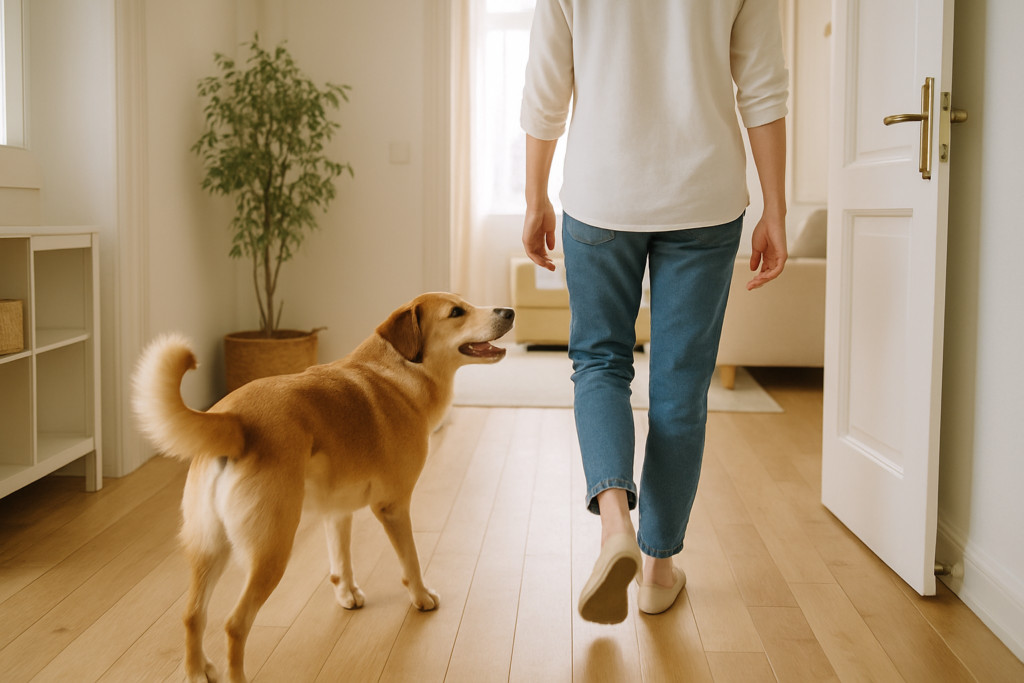
Why does my dog follow me everywhere? In most cases, your dog follows because being near you feels safe, interesting, and rewarding. You provide food, walks, attention, play, access to different rooms, and clues about what will happen next, so keeping track of you makes sense.
Relaxed following is usually a normal combination of attachment, curiosity, routine, and learned behavior. It becomes concerning when your dog cannot settle without you, shows distress behind a closed door, panics when you leave, or suddenly becomes unusually clingy alongside changes in health or behavior.
Why Do Dogs Follow You Everywhere?
Domestic dogs are highly attentive to human behavior. They notice where people look, move, store food, pick up leashes, open doors, and begin familiar routines. Following you is often your dog’s easiest way to remain informed and included.
Affection may be part of the explanation, but following is not always a dramatic declaration of loyalty. Your dog may be curious about what you are doing, hoping for a snack, expecting a walk, looking for a comfortable place to rest, or repeating a habit that has produced attention before.
Body language provides the most useful context. A relaxed follower may walk behind you, look around, and settle nearby with soft eyes and loose muscles. A worried dog may remain intensely focused on every movement, pant without being hot, pace, whine, repeatedly seek contact, or struggle to lie down.
What It Means When Your Dog Follows You From Room to Room
Room-to-room following often means that your dog wants to stay socially connected or see whether your movement predicts something worthwhile. Dogs are skilled at learning household patterns. Walking toward the kitchen may precede food, approaching the front door may signal a walk, and entering your office may mean several quiet hours together.
The behavior can become especially noticeable when someone works from home. Your dog has many opportunities to rehearse following, and even small responses—eye contact, conversation, petting, opening a door, or offering a treat—can make the pattern more rewarding.
The key distinction is flexibility. A relaxed dog chooses to follow but can also stay on a bed, explore another room, enjoy an appropriate chew, or rest behind a gate. An anxious dog behaves as though monitoring you is necessary and may become distressed as soon as access is restricted.
The Most Common Reasons Your Dog Follows You Around the House
There is rarely one universal explanation. Following usually develops through a combination of attachment, reinforcement, temperament, daily routine, environment, and immediate needs.
Watch what happens before and after the behavior. If your dog follows mainly near mealtimes, walks, or bathroom breaks, anticipation may be driving it. If following increases during storms, household changes, or unfamiliar situations, reassurance may be more important. A dog that shadows you during a quiet day may simply be bored and looking for something to do.
- Attachment: Your dog enjoys being near a familiar person and feels comfortable in your company.
- Learned rewards: Following has previously resulted in attention, food, play, access, or another valuable outcome.
- Routine and anticipation: Your movements help predict meals, walks, outdoor access, training, and rest.
- Curiosity: Moving into another room creates a new sound, smell, object, or activity to investigate.
- Boredom: When the environment offers few alternatives, following you may be the most interesting available activity.
- Uncertainty: A new home, visitor, noise, or change in routine may encourage your dog to stay close to a trusted caregiver.
- Practical needs: Your dog may need a bathroom break, water, help reaching something, or relief from discomfort.
Why Some Dogs Are More “Velcro” Than Others
“Velcro dog” is an informal description for a dog that strongly prefers physical proximity to a person. It is not a medical or behavioral diagnosis, and being a Velcro dog does not automatically mean a dog has separation anxiety.
A Velcro dog may follow you throughout the house but remain calm when you leave. A dog with separation-related distress shows anxiety connected to losing access to a particular person or being left alone. The difference is emotional response, not simply the number of rooms the dog enters.
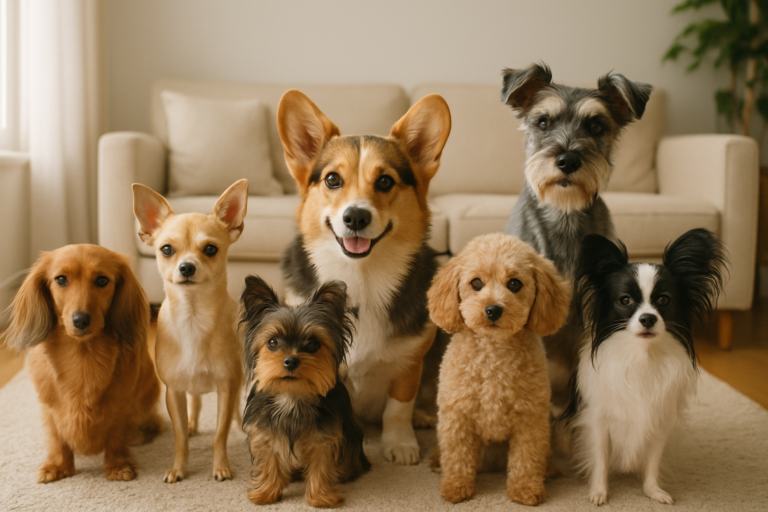
Genetics and breed history may influence attentiveness. Dogs developed for companionship, herding, sporting work, or close cooperation with handlers may be especially interested in human movement. However, breed labels cannot predict an individual dog’s behavior. Temperament, health, early experiences, socialization, training, and household routines can be equally important.
Life experience matters too. A recently adopted dog may stay close while learning whether the new home is safe. Following can also increase after a move, schedule change, frightening event, illness, or long period of constant access to an owner.
Why Does My Puppy Follow Me Everywhere?
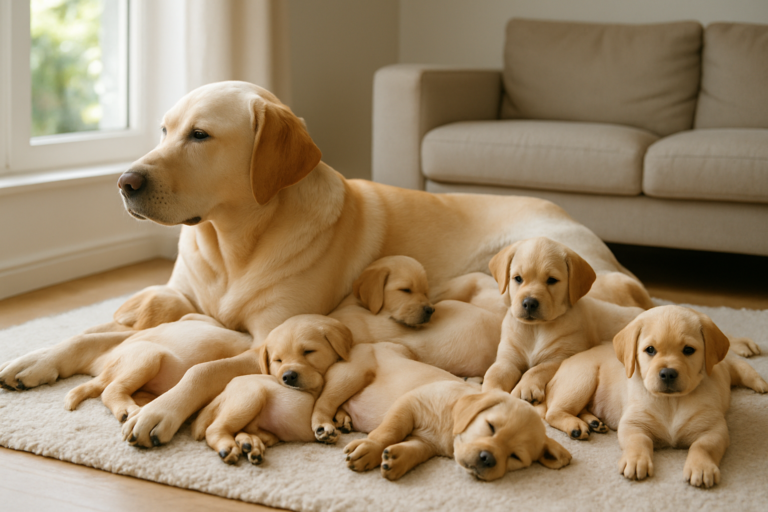
Puppies naturally depend on caregivers for safety, food, bathroom trips, play, and guidance. A young puppy has little experience navigating a home or being alone, so remaining close to a familiar person is understandable.
Following is also reinforced through everyday puppy care. You lead the puppy outside, prepare meals, introduce toys, open barriers, and help when something feels unfamiliar. From the puppy’s perspective, tracking you is useful.
Healthy attachment should be paired with gentle independence practice. Give your puppy a comfortable bed, pen, gated area, or positively introduced crate with a safe activity. Begin while you are still nearby, reward calm behavior, and increase distance in very small steps.
A crate should not be used to force a frightened puppy through panic. Some dogs experience confinement distress, and a pen, gated room, or different setup may be more appropriate. The goal is to teach that brief separation is safe and temporary—not that distress will be ignored.
Why Does My Dog Follow Me and Not My Husband?
Dogs often spend the most time near the household member associated with their favorite or most predictable activities. That person may provide meals, walks, training, play, comfort, or access to the yard.
Small differences in interaction can also shape preference. Your dog may respond more comfortably to one person’s voice, movement, handling style, energy, or availability. Each time following that person leads to a positive experience, the preference becomes more established.
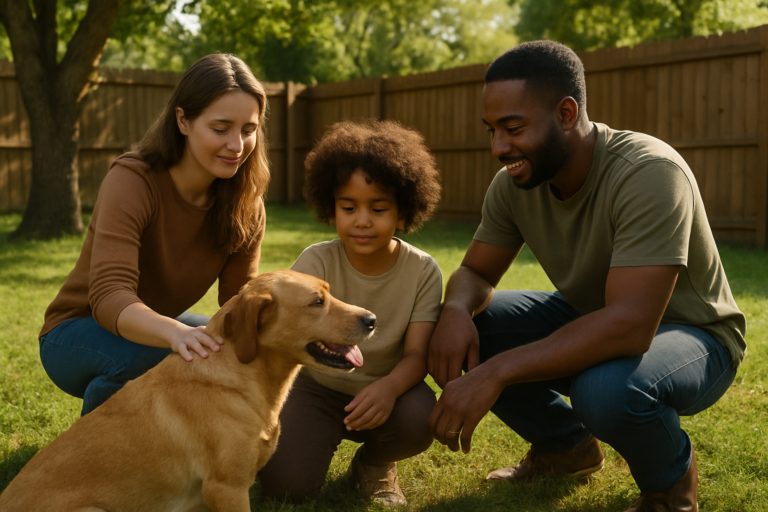
This does not necessarily mean your dog loves one person and dislikes everyone else. Dogs can form different relationships with different people, approaching one family member for active play and another for quiet rest or reassurance.
Another household member can strengthen the relationship by taking over enjoyable, low-pressure activities such as sniffing walks, feeding enrichment, play, or brief reward-based training. Allow the dog to approach voluntarily rather than forcing physical contact or competition for attention.
When Following Is Normal—and When It May Be a Problem
Healthy attachment includes some ability to function separately. A well-adjusted dog may follow frequently but can still eat, sleep, explore, play, and relax when its preferred person is unavailable.
Following alone is not enough to diagnose separation anxiety. Separation-related distress is identified by what happens when departure begins or access to the person is removed. According to the Merck Veterinary Manual, signs may include vocalization, pacing, heightened vigilance, destruction, house-soiling, escape behavior, and other signs of anxiety during or shortly after departure.
A home camera can be valuable because some dogs appear calm before an owner leaves but become distressed afterward. Video may also reveal that barking or destruction is triggered by outside activity, confinement, noise, or boredom rather than separation itself.
- Usually normal: Loose body language, normal sleep, voluntary exploration, independent play, and tolerance of brief separation.
- Worth monitoring: Increasing vigilance, difficulty settling, repeated attention demands, or a gradual reduction in independent behavior.
- Possible separation-related distress: Pacing, panting, drooling, whining, barking, scratching at exits, destruction, house-soiling, or escape attempts when access to you is removed.
- Possible medical concern: Sudden clinginess combined with pain, weakness, appetite changes, altered sleep, confusion, sensitivity to touch, or changes in mobility.
Sudden behavioral changes deserve particular attention in senior dogs. Increased clinginess can occur alongside pain, sensory decline, systemic illness, or cognitive dysfunction. Cornell University College of Veterinary Medicine lists interaction changes, including becoming suddenly clingy or avoidant, among possible signs of canine cognitive dysfunction. A veterinarian should rule out medical causes before the change is treated only as a training issue.
How to Help a Dog That Follows You Too Much
The goal is not to reject your dog or stop it from enjoying your company. The goal is to make resting, exploring, and engaging in safe activities away from you rewarding too.
Start below your dog’s distress threshold. If your dog is already panting, whining, pacing, scratching, or refusing a normally valuable treat, the exercise is too difficult. Increasing the duration while the dog is frightened can strengthen the fear rather than teach independence.
- Provide appropriate exercise, sniffing opportunities, play, food puzzles, chews, and short reward-based training sessions.
- Teach your dog to relax on a bed or mat while you remain nearby before gradually increasing distance.
- Reward calm independent choices, such as staying on the bed while you briefly move around the room.
- Practice very short separations that end before your dog becomes distressed.
- Increase only one challenge at a time, such as distance, a barrier, or duration.
- Create predictable periods for shared activities and independent rest.
- Avoid punishing following, whining, destruction, or anxiety-related accidents.
- Use a camera to observe whether your dog remains comfortable when you leave.
Food toys can help dogs with mild difficulty, but a severely anxious dog may be unable to eat after departure. The ASPCA recommends gradually increasing absences that do not trigger anxiety and seeking experienced professional guidance for moderate or severe cases.
If your dog panics during separation, injures itself, damages exits, cannot eat when alone, or shows intense distress, contact your veterinarian. A board-certified veterinary behaviorist or another qualified reward-based professional with separation-anxiety experience can develop an individualized plan. Medication may be appropriate in some cases, but it should be prescribed and monitored by a veterinarian.
Why Does My Dog Follow Me to the Bathroom or Sleep Near Me?
Bathroom following is common because dogs do not share human expectations about privacy. You stood up and moved somewhere, so your dog continued the familiar room-to-room routine. The bathroom may also contain interesting smells, water, a cool floor, or the possibility of receiving attention.
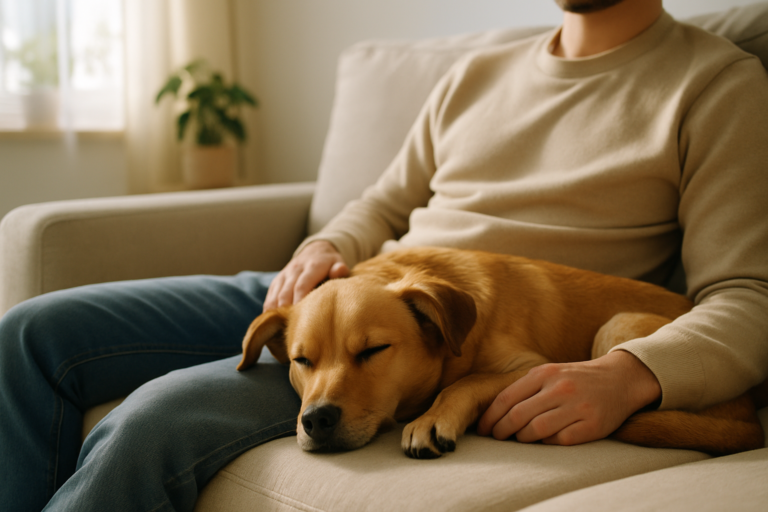
Sleeping near you can reflect comfort, warmth, safety, attachment, and habit. Some dogs prefer physical contact, while others choose a position that allows them to notice when you move.
Neither behavior automatically indicates unhealthy dependence. The better test is whether your dog can also settle in another comfortable location when necessary without pacing, vocalizing, scratching, or showing panic.
Understanding Why Your Dog Shadows You
Most dogs follow their owners because closeness is safe, familiar, and frequently rewarding. Attachment, curiosity, learned routines, boredom, immediate needs, and individual temperament can all contribute to the behavior.
Do not judge following only by how often it happens. Watch your dog’s body language and ability to rest independently. Relaxed shadowing is usually normal, while panic during separation, a sudden increase in clinginess, or behavior accompanied by discomfort deserves veterinary or professional behavioral guidance.
Frequently Asked Questions
What Does It Mean When Your Dog Won’t Leave Your Side?
Your dog may be expressing affection, anticipating an activity, seeking reassurance, meeting a practical need, or repeating a rewarded habit. If your dog remains relaxed and can settle elsewhere, the behavior is usually normal. If losing access to you causes panic, pacing, vocalizing, destruction, or house-soiling, separation-related distress may be involved.
Do Dogs Pick a Favorite Person?
Many dogs show a preference for the person who provides their most rewarding, comfortable, or predictable interactions. The preference may change over time and does not prevent the dog from forming strong relationships with other people in the household.
What Dog Breeds Are Known for Being Especially Clingy?
Some companion, herding, sporting, and working breeds are known for remaining attentive to people because of the roles for which they were developed. However, breed alone cannot reliably predict clinginess. Individual temperament, health, socialization, early experience, training, and household routine are more useful when evaluating a specific dog.
Can Following Be a Sign of Separation Anxiety?
Following can occur alongside separation anxiety, but following by itself is not a diagnosis. The more important signs appear when access to the owner is removed and may include panting, pacing, drooling, vocalizing, destruction, house-soiling, escape attempts, or an inability to settle.
How Can I Help My Dog Be More Independent Without Damaging Our Bond?
Continue providing affection and shared activities while rewarding calm behavior on a separate bed, offering enriching solo activities, and practicing very short separations below your dog’s distress threshold. Independence should become an additional safe skill, not a sudden loss of social contact.