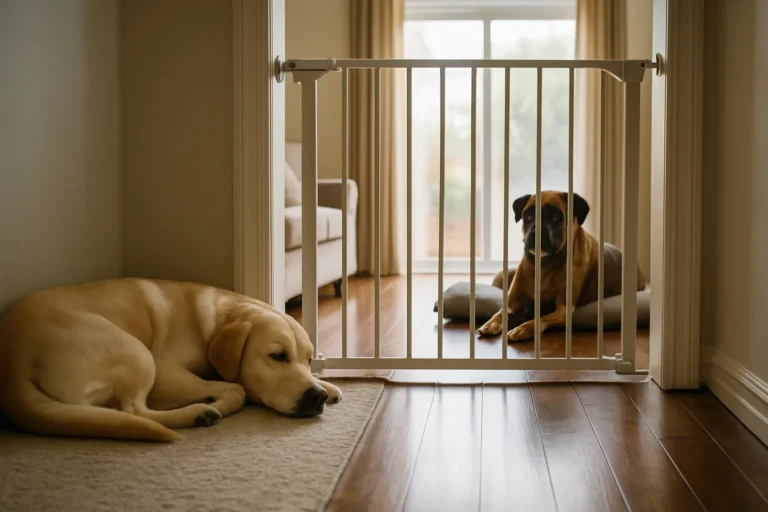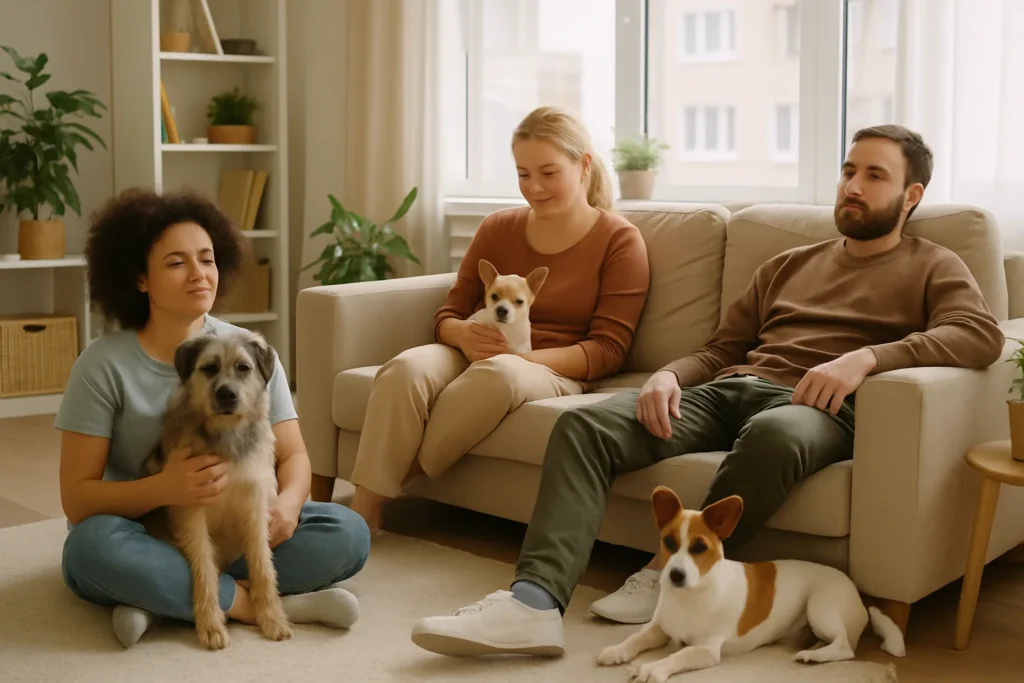
The best quiet dog breeds for apartments are not necessarily the smallest dogs or the breeds least likely to bark. A strong apartment match has manageable exercise needs, settles indoors, responds to training, and does not require more grooming or supervision than the renter can provide.
When deciding what is a good indoor dog, consider noise triggers, shedding, coat care, toilet breaks, separation tolerance, and behavior around elevators and shared hallways. Some small dogs are easy to take care of, but size alone does not guarantee quiet behavior, simple training, or low veterinary needs.
How to choose quiet dog breeds for apartments
No dog is silent, and barking varies among individuals within the same breed. The practical goal is to find a dog with a moderate voice, a reliable indoor off-switch, and noise triggers that can be managed through routine and training.
Assess the whole living arrangement before choosing a breed. Thin walls, elevator rides, distant outdoor toilet areas, pet-size limits, work schedules, and nearby dogs can matter as much as the apartment’s floor area.
- Choose a dog that can relax after an appropriate walk rather than one that remains restless indoors.
- Match daily exercise requirements to the amount of walking and play you can provide throughout the year.
- Separate coat care from shedding because a short-coated dog may shed heavily while a low-shedding dog may require professional grooming.
- Consider trainability because boredom, frustration, and reactions to hallway sounds can all lead to repeated barking.
- Plan for moderate alone time without assuming that any breed can comfortably handle an entire workday without breaks.
- Check lease restrictions, weight limits, insurance rules, elevator access, and designated toilet areas before adopting.
- Whenever possible, evaluate the temperament and known habits of the individual dog instead of relying only on a breed description.
What low-maintenance really means in an apartment
A low-maintenance apartment dog has needs that fit the owner’s schedule, budget, experience, and tolerance for cleanup. The label should cover grooming, shedding, exercise, training intensity, health management, and the ability to remain composed around common building activity.
Every apparent advantage has a possible tradeoff. Low barking does not mean low exercise, low shedding does not mean low grooming, and small size does not mean that training can be skipped.
- Low-grooming dogs usually need brushing, bathing, dental care, ear checks, and nail trims even when their coats are simple.
- Low-shedding coats often keep growing and may require regular clipping by an owner or professional groomer.
- Calm adult dogs can be easier than puppies because their size, energy, voice, and toilet habits are more predictable.
- Puppies of every breed require frequent toilet trips, socialization, supervision, and gradual alone-time training.
- Mental enrichment remains essential because an under-stimulated dog may bark, chew, pace, or react to sounds outside the door.
Best quiet and low-maintenance small dogs for apartment living
These small breeds can fit apartment life when their individual temperament and care requirements suit the household. None is maintenance-free, and several have grooming or health considerations that renters should include in their decision.
1. French Bulldog
French Bulldogs are compact, companion-oriented dogs that usually need moderate walks rather than prolonged exercise. Many settle comfortably near their people and are less inclined toward nonstop barking than highly alert toy breeds.
Their short coats are simple to brush, but they shed and require skin-fold care. Their flat-faced anatomy can contribute to breathing difficulties, heat intolerance, and substantial veterinary needs, so they should not be considered low-maintenance from a health perspective.
2. Boston Terrier
Boston Terriers are portable, trainable, and often adaptable to a predictable apartment routine. They need daily activity and may alert to visitors, but consistent training can help prevent door and hallway noises from becoming habitual barking triggers.
Their short coat is easy to brush, although it still sheds. As a flat-faced breed, the Boston Terrier may struggle in heat or during strenuous exercise and can require more health management than its simple coat suggests.
3. Pug
Pugs are sociable companion dogs that commonly enjoy indoor life and modest walks. They are often expressive rather than constantly vocal, although individual Pugs may bark when excited, lonely, or alerted by building sounds.
The coat requires little styling but can shed heavily, and facial folds need routine attention. Breathing, eye, skin, weight, and heat-related concerns mean that a Pug may be easy to groom without being easy or inexpensive to care for overall.
4. Cavalier King Charles Spaniel
Cavalier King Charles Spaniels are affectionate, adaptable dogs that often settle well after walks and play. Their generally soft temperament can suit close indoor living, but some become distressed or vocal when left alone for longer periods.
Their feathered coat needs routine brushing, and their ears and teeth require attention. Prospective owners should also account for the breed’s significant inherited health risks and seek a carefully assessed dog from a responsible source.
5. Shih Tzu
Shih Tzus were developed as companion dogs and can be content with indoor family life, short walks, and interactive play. They may bark at arrivals, but early training and management can keep alert behavior from becoming excessive.
The coat sheds relatively little but is not low-maintenance unless kept in a short clip. Regular brushing, professional grooming, facial cleaning, and attention to breathing and eye health should be included in the care plan.
6. Bichon Frise
Bichon Frises are cheerful, trainable dogs that can adapt well to apartments when given walks, games, and company. They are not automatically quiet, but structured routines and reward-based training can reduce attention barking and reactions to shared-building sounds.
The coat releases relatively little loose hair around the home, but it requires frequent brushing and regular clipping. Bichons may also dislike extended isolation, so they often suit owners who can provide breaks and gradual alone-time practice.
7. Italian Greyhound
Italian Greyhounds are small, sensitive sighthounds that are often quiet and restful indoors after suitable exercise. Their short coats are exceptionally simple to groom, and their light shedding is usually easy to manage.
They can be difficult to toilet in cold or wet weather, are vulnerable to injury, and frequently need diligent dental care. Some form intense attachments and require careful training to feel comfortable when left alone.
8. Japanese Chin
Japanese Chins are compact companion dogs that tend to be observant, catlike, and relatively calm indoors. Their exercise needs are usually manageable, although play and short daily walks remain necessary.
Their silky coats need regular brushing but are less demanding than they first appear when kept free of tangles. Their flat faces, prominent eyes, heat sensitivity, and possible separation concerns prevent them from being maintenance-free.
Quiet medium dogs for apartments if you want a little more space and sturdiness
A medium or even large dog can be easier in an apartment than a highly energetic small dog. Indoor composure, exercise quality, and behavior in shared spaces are more useful criteria than weight alone, provided the building permits the dog’s size.
1. Whippet
Whippets are athletic outdoors but frequently quiet and sleepy inside after a chance to walk, sniff, and run safely in an enclosed area. Their short coats need minimal brushing, although they may need warm clothing in cold climates.
A Whippet’s prey drive makes secure leashes and fencing essential. Gradual separation training is also important because some Whippets dislike being isolated from their household.
2. Basenji
The Basenji is famous for not producing a conventional bark, but it is not silent and may yodel, whine, or vocalize in other ways. Its short coat and clean habits can reduce grooming work.
Basenjis are intelligent, energetic, independent, and skilled at escaping, which can make them challenging for first-time owners. They need secure management, patient training, and more physical and mental activity than the low-bark reputation implies.
3. Bulldog
Bulldogs are often calm indoors and typically have moderate exercise requirements. Their short coats are straightforward to brush, but shedding, skin folds, drooling, and routine cleaning still create household work.
Their flat-faced anatomy and body structure can bring breathing, skin, joint, and heat-related problems. A Bulldog may be quiet in an apartment while remaining medically high-maintenance.
4. Greyhound
Although Greyhounds are large rather than medium-sized, suitable adults are often calm, quiet, and surprisingly comfortable in apartments. Retired racing Greyhounds may already be accustomed to structured routines, but each dog needs an individual behavioral assessment.
They require daily walks, safe opportunities for suitable activity, soft resting areas, and secure leash handling because of possible prey drive. Building weight limits, stairs, elevators, and transport logistics should be checked before adoption.
5. Standard Schnauzer
A Standard Schnauzer can live in an apartment with an active owner who provides exercise, training, and mental work. The breed is sturdy and attentive, but it is a conditional choice rather than one of the quietest options.
Schnauzers may alert readily to people and sounds, and their wiry coats need clipping or hand-stripping. Without adequate outlets and calm-behavior training, their energy and watchdog instincts can become difficult in a shared building.
Apartment dogs that are easier to care for day to day
The easiest small dogs to take care of depend on which chores the owner finds most difficult. Italian Greyhounds and Boston Terriers have short brushing routines, while Bichon Frises and clipped Shih Tzus release less hair but require substantially more coat maintenance.
For simpler exercise, a healthy adult Japanese Chin, Pug, or French Bulldog may need less vigorous activity than a Basenji or Standard Schnauzer. Flat-faced dogs still require regular movement and weight control, and their health risks can make their overall care less simple.
- A first-time owner may find a temperament-tested adult Boston Terrier or Japanese Chin manageable if the dog’s health and habits are well understood.
- A busy renter should prioritize a calm adult with an established toilet routine and proven separation tolerance rather than selecting by breed alone.
- A homebody may suit a companion-oriented Cavalier King Charles Spaniel, Bichon Frise, or Shih Tzu that prefers frequent human contact.
- A remote worker may enjoy a Whippet or Italian Greyhound but should still teach independent resting and short periods of comfortable separation.
- A renter who dislikes loose hair may prefer a Bichon Frise or Shih Tzu while budgeting time and money for professional grooming.
- A renter who dislikes brushing may prefer a Whippet, Boston Terrier, or Italian Greyhound while accepting some shedding and routine skin care.
Good indoor dogs: what makes a dog easy to live with inside
A good indoor dog can nap, chew an appropriate toy, or rest near people without needing constant entertainment. This ability to settle is partly influenced by temperament, but it also develops through sufficient exercise, predictable routines, and reinforcement of calm behavior.
Apartment dogs also need emotional stability around footsteps, doors, elevators, visitors, and other animals. Early socialization and gradual exposure can reduce reactivity, while window film, background sound, gates, and strategic bed placement can limit avoidable triggers.
- A manageable toilet schedule should fit the dog’s age, health, and distance from an appropriate outdoor area.
- Crate or pen training should be introduced positively and should never replace exercise, companionship, or toilet breaks.
- A dog should learn to settle independently even when an owner works from home.
- Shared hallways and elevators require reliable leash handling and calm behavior around unfamiliar people and dogs.
- A predictable pattern of walks, meals, rest, training, and enrichment helps many dogs feel secure indoors.
- An adult rescue living in foster care may offer especially useful information about barking, shedding, toilet habits, and behavior when left alone.
Can a quiet apartment dog also be a good watchdog
Most renters searching for good guard dogs for apartments actually need an alert dog rather than a protection dog. An alert dog notices unusual activity and gives a brief signal, while true guarding involves more complex behavior, greater liability, and professional training considerations.
Boston Terriers and French Bulldogs may notice visitors without being as persistently vocal as some traditional watchdog breeds. Temperament varies, however, and neither breed should be expected to provide reliable personal protection.
- A Miniature Schnauzer is attentive and may be a useful alert dog, but its tendency to vocalize can conflict with the goal of a quiet apartment.
- A Standard Schnauzer offers greater size and watchfulness, but it needs experienced handling, substantial activity, coat care, and consistent training.
- A brief trained alert is more apartment-friendly than repeated barking at every footstep or elevator sound.
- Owners should reward quiet recovery after an alert rather than encouraging suspicion or uncontrolled aggression.
- Individual temperament, socialization, and training matter more than a breed’s watchdog label.
- Physical security, secure doors, good lighting, and building procedures are more dependable safeguards than expecting a pet to confront an intruder.
Quiet dogs that may not be low-maintenance after all
A breed can satisfy the low-noise requirement while creating challenges in another area. Renters should investigate the complete care profile instead of treating quiet behavior as evidence that a dog will be easy to own.
- Shih Tzus and Bichon Frises can shed less visibly but need consistent brushing and scheduled haircuts.
- Whippets, Greyhounds, and Basenjis may rest quietly indoors but still require appropriate exercise and secure outdoor management.
- Cavalier King Charles Spaniels, Italian Greyhounds, and other companion-oriented dogs may struggle with separation if alone time is not taught gradually.
- French Bulldogs, Pugs, Boston Terriers, Bulldogs, and Japanese Chins can require special care because of flat-faced anatomy, heat sensitivity, or related health concerns.
- Basenjis can be quiet in the conventional sense while remaining demanding because of their independence, energy, prey drive, and problem-solving ability.
- A calm senior dog may need less exercise but require more frequent toilet trips, medication, mobility support, and veterinary monitoring.
How to keep any apartment dog quieter and easier to manage
Breed tendencies influence behavior, but daily management determines whether many apartment noises become routine or alarming. Preventing repeated rehearsal of barking is generally easier than trying to stop a deeply established habit.
- Provide walks, toilet trips, meals, and rest at predictable times to reduce frustration and attention-seeking.
- Use sniffing walks, short training sessions, food puzzles, and safe chews to meet mental needs without encouraging constant excitement.
- Move beds away from the front door and windows if passing people or hallway sounds trigger barking.
- Use curtains, privacy film, fans, or neutral background sound to reduce visual and auditory triggers.
- Reward the dog for noticing a sound and then returning attention to the owner or settling quietly.
- Practice brief, gradual departures before leaving the dog for longer periods, and seek professional help for signs of separation distress.
- Choose a fostered adult dog when predictability about noise, energy, and indoor habits is especially important.
- Schedule brushing, bathing, dental care, ear care, and nail trims so small maintenance tasks do not become larger problems.
Best picks by renter situation
These pairings are starting points rather than guarantees. Health, age, previous training, individual temperament, and the renter’s daily routine should determine the final choice.
- For a first-time apartment owner, a calm adult Boston Terrier or Japanese Chin may provide a manageable balance of size, exercise, and indoor companionship.
- For low grooming, an Italian Greyhound, Whippet, or Boston Terrier has a short coat that needs relatively little brushing.
- For less loose hair, a Bichon Frise or clipped Shih Tzu may work if regular brushing and professional grooming are acceptable.
- For someone who works from home, a Cavalier King Charles Spaniel, Whippet, or companion-oriented Shih Tzu may enjoy the company, but independent rest should still be taught.
- For a dog that will spend some time alone, a temperament-tested adult with a documented history of coping calmly is safer than relying on a breed prediction.
- For a slightly larger but fairly quiet dog, a Whippet is often a stronger fit than an energetic watchdog breed.
- For a renter able to accommodate a large dog, a carefully assessed adult Greyhound may be calm indoors if lease rules, exercise, transport, and prey-drive management are suitable.
Choosing the right quiet apartment dog
The strongest quiet dog breeds for apartments combine a calm indoor off-switch with exercise, grooming, health, and training needs that the renter can meet consistently. Whippets, Italian Greyhounds, Japanese Chins, Boston Terriers, and suitable adult Greyhounds can be compelling options, but every choice comes with tradeoffs.
Before adopting, confirm building rules and spend enough time with the individual dog to evaluate barking, handling, recovery from surprises, and comfort when separated. A well-matched adult with known habits is often quieter and easier to manage than a puppy chosen only for its breed or size.
Frequently Asked Questions
What is a good indoor dog for an apartment?
A good indoor dog for an apartment is one that settles after appropriate exercise, tolerates ordinary building sounds, follows a manageable toilet routine, and can spend moderate periods alone without distress. Whippets, Japanese Chins, Boston Terriers, and well-assessed adult Greyhounds are possible examples, subject to individual temperament and building rules.
What is the quietest calmest dog breed?
Whippets and suitable adult Greyhounds are frequently calm and quiet indoors, while Basenjis produce no conventional bark but can make other sounds. No breed is silent, and age, training, exercise, health, and individual temperament strongly affect noise levels.
What dogs are good for apartments and do not shed much?
Bichon Frises and Shih Tzus release relatively little loose hair and can adapt to apartments, but their coats require regular brushing and clipping. Italian Greyhounds also have light, short coats, although no dog is completely non-shedding or guaranteed to be suitable for people with allergies.
What breed of dog can be left alone during the day?
No breed should be expected to tolerate a full day alone automatically. A calm adult with proven separation tolerance is more predictable than a puppy, and most dogs still need toilet breaks, exercise, enrichment, and gradual departure training.
What dog breeds do landlords not like?
Restrictions vary by landlord, insurer, and location, but leases may limit dogs by breed, weight, number, or documented behavior. Renters should obtain written approval before adopting because verbal permission may not override the lease or an insurance exclusion.
What are the easiest small dogs to take care of in an apartment?
The easiest small dogs to take care of are usually healthy adults with known indoor manners rather than puppies of a particular breed. Boston Terriers and Japanese Chins can offer manageable exercise and grooming, while Italian Greyhounds have simple coats but may present toilet-training, dental, fragility, or separation challenges.
Are there good guard dogs for apartments that are still fairly quiet?
A trained alert dog is more realistic for an apartment than a true guard dog. Boston Terriers and French Bulldogs may announce unusual activity, while Miniature and Standard Schnauzers can be more watchful but also more vocal, so temperament and calm-response training are essential.