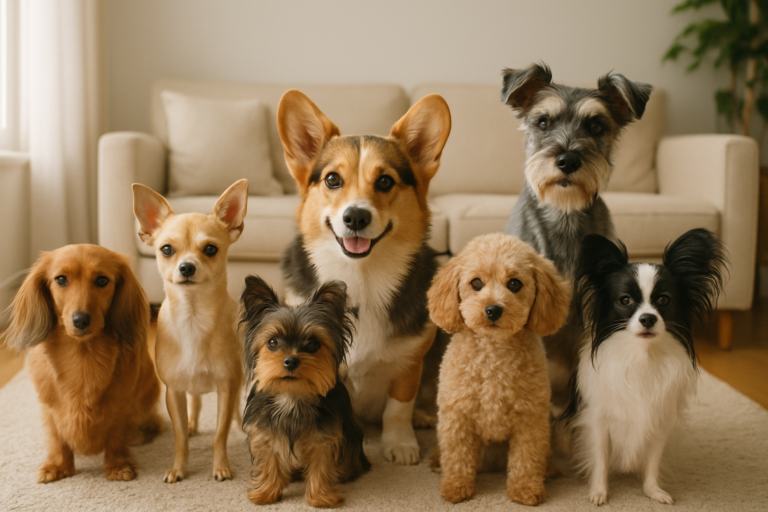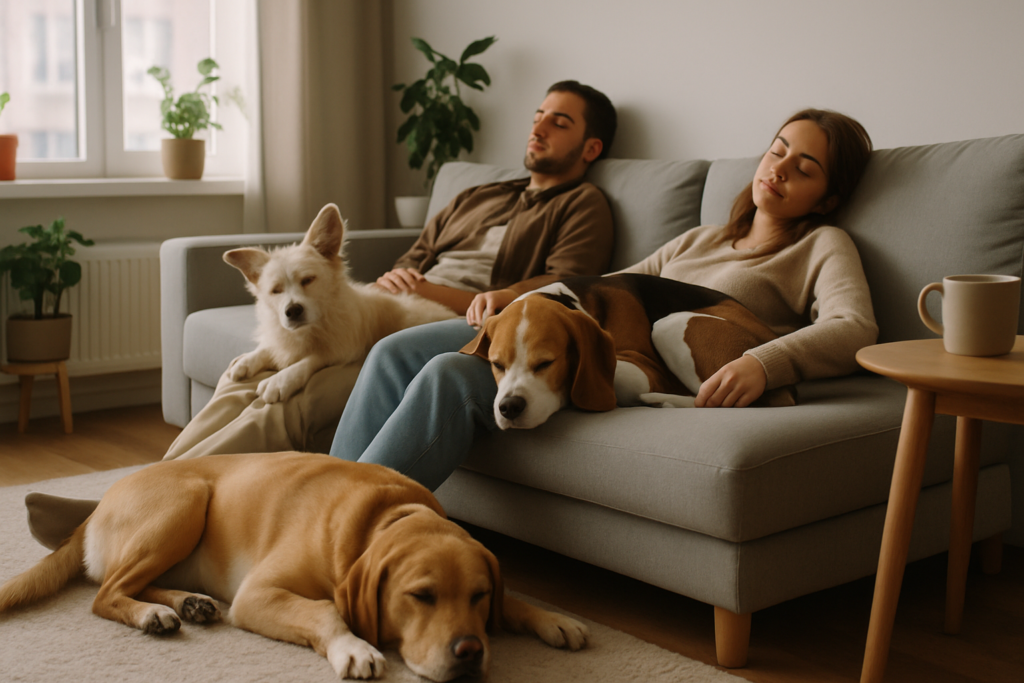
The best dog for apartment living is not necessarily the smallest. A calm adult Greyhound may be easier to share a building with than a highly vocal, energetic toy breed. Temperament, indoor energy, barking, exercise needs, house manners, and comfort around neighbors usually matter more than weight alone.
When deciding which dogs are good for apartments, consider your schedule and building as carefully as the breed. Every apartment dog still needs daily exercise, mental enrichment, training, companionship, and regular bathroom breaks. Age, health, previous experience, and individual personality can make one dog a much better match than another dog of the same breed.
Quick answer: Apartment-friendly candidates may include Bichon Frises, Havanese, Cavalier King Charles Spaniels, Whippets, Greyhounds, Poodles, and calm adult mixed-breed dogs with a known history. Some French Bulldogs, Pugs, Boston Terriers, Great Danes, and other breeds can also adapt, but their health, mobility, exercise, and housing requirements deserve careful consideration.
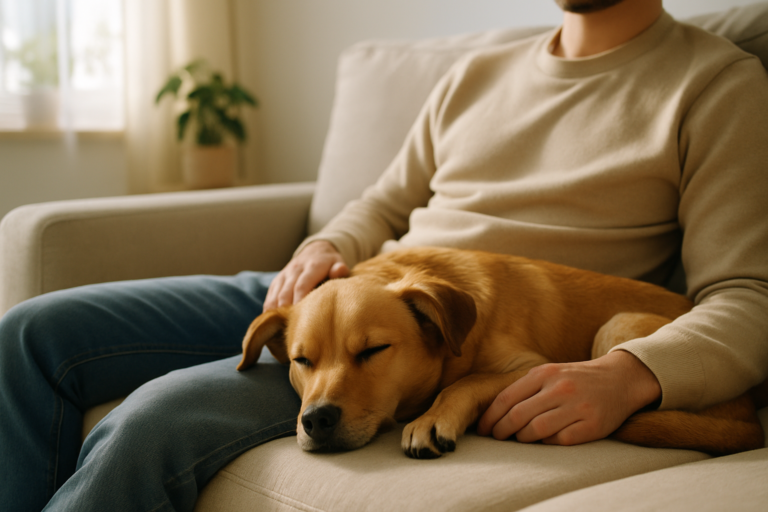
The most reliable choice is often a calm, house-trained adult dog whose behavior has already been observed in a home. A foster caregiver may know whether the dog settles alone, reacts to hallway noises, barks at visitors, uses stairs confidently, and remains calm around unfamiliar people or dogs.
Important: Check your housing rules before choosing a dog. Leases, insurance policies, homeowners associations, and building regulations may restrict breed, adult weight, or the number of pets. Consider elevator access, nearby bathroom areas, noise policies, pet deposits, and whether you could safely move the dog during an illness or emergency.
What Makes a Dog Good for Apartment Living?
Apartment suitability is mainly about how comfortably a dog can follow your daily routine within a shared building. The American Kennel Club’s apartment-dog directory includes breeds of several sizes, demonstrating that physical dimensions are only one part of the decision.
Breed tendencies can help you create a shortlist, but they are not guarantees. Training, early socialization, age, health, genetics, and previous experiences all influence behavior. A foster organization, breeder, shelter, or previous owner may be able to describe an individual dog’s response to visitors, hallway sounds, elevators, time alone, other animals, and unfamiliar environments.
| Apartment-Living Factor | Why It Matters | What to Assess |
|---|---|---|
| Barking tendency | Shared walls make repeated alert, demand, boredom, or distress barking especially disruptive. | Ask what triggers vocal behavior, how long it continues, and whether the dog can settle after hearing doors, voices, footsteps, or elevators. |
| Indoor energy | A dog’s ability to relax between outings matters more than having short legs or a low body weight. | Observe whether the dog can settle after receiving suitable exercise and mental enrichment. |
| Exercise needs | An apartment does not prevent dog ownership, but limited outdoor access can make high activity needs harder to meet. | Match the dog’s walking, play, training, and enrichment requirements to the time you can provide every day. |
| Trainability | Loose-leash walking, calm greetings, house training, and reliable attention reduce conflict in shared spaces. | Consider the dog’s motivation, attention span, previous training, and your willingness to practice consistently. |
| Building confidence | Elevators, stairs, slippery floors, strangers, carts, doors, and close encounters with other dogs can be stressful. | Observe the dog’s body language and ability to recover around the features they will encounter regularly. |
| Alone-time tolerance | A dog that becomes distressed when left may bark, eliminate indoors, damage property, or injure themselves while trying to escape. | Ask about the dog’s current routine and increase alone time gradually instead of assuming independence. |
| Bathroom schedule | Apartment residents may need additional time to reach an elevator, stairway, or outdoor bathroom area. | Make sure you can provide sufficiently frequent trips, especially for puppies, seniors, and dogs with medical conditions. |
| Physical size | Size affects floor space, transportation, emergency handling, mobility, food costs, and lease eligibility. | Confirm that the apartment, elevator, vehicle, hallways, and walking route can accommodate the dog comfortably. |
- Prioritize a calm, adaptable adult dog when predictability is more important than raising a puppy.
- Meet the dog more than once and, when possible, observe behavior outside a quiet shelter kennel.
- Ask specifically about barking, house training, leash behavior, time alone, and reactions to unfamiliar dogs.
- Plan several daily bathroom opportunities even when the dog’s exercise requirement is modest.
- Budget time for sniffing, training, food puzzles, play, and social contact rather than relying on square footage alone.
Best Small Dog Breeds for Apartments
Small dogs are physically convenient in apartments, particularly when stairs, elevators, narrow hallways, transportation, or limited storage are concerns. However, barking, high energy, separation distress, and house-training difficulty can outweigh the space advantage.
Flat-faced breeds require special consideration. French Bulldogs, Pugs, Shih Tzus, Boston Terriers, and Bulldogs can be affected by brachycephalic obstructive airway syndrome. According to VCA Animal Hospitals, affected dogs may experience noisy breathing, exercise intolerance, overheating, gagging, collapse, or other complications.
Difficulty tolerating exercise should not be treated as an apartment-living advantage. Owners of flat-faced dogs need reliable temperature control, careful weight management, veterinary guidance, and an activity plan appropriate for the individual dog’s airway health.
| Breed | Barking and Exercise Profile | Training, Health, and Owner Fit |
|---|---|---|
| French Bulldog | Often people-oriented and adaptable indoors, although alert barking, attention-seeking behavior, and bursts of playfulness can occur. | May suit an informed owner who is prepared for potentially significant breathing, heat-tolerance, spinal, skin, and veterinary-care considerations. |
| Cavalier King Charles Spaniel | Often adaptable and moderately active, but many prefer close companionship and may struggle with prolonged solitude. | Frequently responsive and gentle. Prospective owners should investigate cardiac, neurologic, eye, and orthopedic health rather than assuming the breed is low-maintenance. |
| Pug | Often has manageable indoor energy, but excitement, alert barking, and individual activity levels vary. | May suit an owner prepared to manage breathing, heat, eye, skin-fold, dental, and weight-related concerns with regular veterinary support. |
| Bichon Frise | Playful but often manageable with daily walks, games, and training. Barking may increase through boredom, alert behavior, or separation distress. | Usually responsive to reward-based training, although house training and regular professional-level coat care require consistency. |
| Havanese | Adaptable, social, and playful, but some individuals announce hallway activity or have difficulty being left without gradual preparation. | Often eager to engage and potentially suitable for first-time owners who can manage grooming, teach quiet behavior, and build independence. |
| Shih Tzu | Often satisfied with moderate walks and indoor activity, although individuals may bark at noises, visitors, or other dogs. | Can learn good apartment manners with patient training. Coat, eye, dental, breathing, and heat-management needs must be considered. |
| Boston Terrier | Usually enjoys walks and energetic play followed by downtime. Vocal behavior is often manageable but cannot be guaranteed. | Frequently social and responsive, but the breed’s airway structure can limit intense exercise and heat tolerance. Eye and orthopedic health also require attention. |
| Dachshund | Compact but often alert, energetic, persistent, and vocal, making the breed less automatic as a shared-wall choice. | Intelligent and independent. Owners should be prepared to train barking and house manners while limiting repeated jumping and excessive stair use. |
Best Medium-Sized Dogs for Apartments
Medium-sized dogs can provide a practical balance between portability and physical sturdiness. Their space requirements remain manageable in many apartments, but their exercise, grooming, training, and companionship needs differ widely.
The following breeds may adapt well to apartment living, but none is uniformly quiet, low-energy, or comfortable alone. Match the individual dog’s needs to your work schedule, access to outdoor areas, grooming budget, and willingness to train.
| Breed | Space, Energy, and Noise | Alone-Time and Care Considerations |
|---|---|---|
| Whippet | Often athletic outdoors and calm indoors after suitable exercise. Many are relatively quiet, but prey drive requires secure leash handling. | An adult may adapt to a structured routine, although gradual alone-time training, enrichment, soft resting areas, and a midday break may still be necessary. |
| Basenji | Known for not producing a conventional bark, but Basenjis can yodel, whine, howl, and make other sounds. They require exercise, enrichment, and secure containment. | Independence does not guarantee comfort when left alone. An under-stimulated Basenji may become destructive or attempt to escape. |
| Standard Poodle | Highly trainable and often adaptable, but requires substantial mental activity, regular exercise, and professional or skilled home grooming. | May cope with a structured schedule after gradual preparation, but is not a low-maintenance choice for a sedentary household. |
| Bulldog | Many mature Bulldogs are calm indoors, but low stamina may be connected to airway, joint, or heat-tolerance limitations rather than naturally easy care. | Breathing, heat, skin, eye, joint, weight, and mobility concerns require thoughtful veterinary care and suitable building access. |
| Cocker Spaniel | Often cheerful and moderately active, requiring daily walks, play, training, grooming, and regular ear care. | Many are strongly people-focused, so alone time should be introduced gradually and supported with a predictable routine. |
Best Large Dogs for Apartments
Some large dogs are calmer indoors than much smaller, busier breeds. A mature Greyhound or another relaxed adult may spend much of the day resting after suitable outings. However, a calm indoor temperament does not eliminate the need for exercise, enrichment, training, companionship, or bathroom breaks.
Large-dog renters must evaluate much more than floor space. Elevator outages, narrow stairs, slippery corridors, transportation, food costs, lease restrictions, and emergency handling become particularly important when a dog is too heavy to carry.
A large breed should therefore be considered a possible apartment match, not an automatic recommendation. The individual dog, building, owner’s physical abilities, and long-term mobility plan must all fit.
| Breed | Why Apartment Life May Work | Important Caveats |
|---|---|---|
| Greyhound | Many adult Greyhounds combine outdoor athletic ability with quiet indoor relaxation and relatively simple grooming. | They still need daily walks, secure leash handling, comfortable resting space, and careful assessment around cats or small animals. |
| Great Dane | A mature Great Dane with a calm temperament may settle well indoors despite an imposing body size. | The apartment needs sufficient turning and resting room, dependable elevator access, nonslip flooring, and a realistic plan for transport or mobility problems. |
| Bullmastiff | Some adults have lower indoor energy than their size suggests and may be relatively quiet with adequate activity. | Strength, guarding behavior, training, socialization, drool, heat sensitivity, insurance restrictions, and emergency handling require serious consideration. |
| Clumber Spaniel | This substantial spaniel may have a calmer indoor profile than many more energetic sporting dogs. | Daily walks, grooming, shedding management, weight control, and building access suitable for a long, heavy body remain necessary. |
- Measure doorways, hallways, elevators, vehicle space, and resting areas before choosing a giant breed.
- Confirm breed and weight rules in writing with both the property manager and insurer.
- Choose nonslip routes where possible and consider how repeated stairs could affect a puppy, senior, long-backed dog, or dog with joint problems.
- Create a realistic emergency plan for moving the dog if the elevator is unavailable.
- Provide purposeful daily walks and enrichment even when the dog appears content to sleep indoors.
How to Choose the Best Apartment Dog for Your Lifestyle
The best match depends on what you can provide consistently, not which breed appears most often on apartment-dog lists. A directory such as the Petfinder apartment-dog overview can help generate possibilities, but information from the dog’s current caregiver is usually more useful for predicting everyday behavior.
1. Prioritize Predictability as a First-Time Owner
Bichon Frises, Havanese, carefully selected adult Whippets, and some companion breeds may be approachable starting points because they are often sociable and responsive. However, grooming, health, exercise, barking, and alone-time needs still matter.
A house-trained adult with a documented calm temperament may be easier than a puppy from any breed. Puppies require frequent bathroom trips, socialization, chewing management, gradual alone-time training, and more supervision than many first-time owners expect.
- Choose a dog whose energy and behavior have been observed in a home or foster environment.
- Favor responsiveness and recovery from mild surprises over a particular appearance or size.
- Ask for veterinary records and investigate breed-related health risks before committing.
- Arrange reward-based training support before barking, leash pulling, or separation problems become established.
2. Build a Realistic Plan for Full-Time Work
No breed should be expected to remain comfortable for an unlimited workday without bathroom access, movement, enrichment, or social contact. An adult dog with a known history of settling alone may be more suitable than a puppy or a dog already showing separation-related distress.
- Arrange a dog walker, trusted visitor, or carefully evaluated day-care option when the dog needs a midday break.
- Use a camera initially to check for pacing, vocalizing, panting, escape attempts, or an inability to settle.
- Increase alone time gradually rather than beginning with a full workday.
- Consult a veterinarian or qualified behavior professional if the dog displays separation-related distress.
3. Select for Quiet Behavior in Shared-Wall Buildings
Greyhounds and Whippets are often described as relatively quiet, while some Great Danes and companion breeds may also be restrained vocalizers. Basenjis do not bark conventionally but are not silent. Individual history and environmental triggers are more reliable than a general breed label.
- Ask how the dog responds to footsteps, knocking, elevators, visitors, and unfamiliar dogs.
- Visit during an active period rather than judging behavior only when the dog is tired or overwhelmed.
- Place the resting area away from the front door and use appropriate background sound to reduce unpredictable corridor noise.
- Reward calm behavior instead of yelling in response to barking.
4. Define What Low Maintenance Means to You
A short coat reduces brushing but does not reduce training, veterinary, exercise, or companionship needs. A lower-energy dog may require less vigorous activity while needing more medical or mobility support.
Whippets and Greyhounds have relatively simple coats, whereas Poodles, Bichons, Havanese, Shih Tzus, spaniels, and other long- or curly-coated breeds require regular grooming. Flat-faced breeds may need less intense exercise but can require extensive airway, temperature, skin, eye, dental, or weight management.
5. Consider an Adult Mixed-Breed Dog
Mixed-breed dogs can be excellent apartment companions when their adult size, energy, noise response, and social behavior are already apparent. A foster caregiver may know whether a dog is house-trained, settles alone, reacts to hallway traffic, rides in an elevator, or needs a quieter building.
That direct behavioral evidence can be more valuable than estimating temperament from appearance, DNA results, or presumed ancestry. Ask whether a trial adoption or foster-to-adopt arrangement is available when the organization offers that option.
Apartment Dog Traits to Avoid
A difficult apartment match is usually defined by unmanaged behavior, unsuitable physical needs, and an incompatible environment rather than breed alone. Training can improve many challenges, but renters should be realistic about the time, building, finances, and professional support available.
Do not assume a puppy will adapt automatically because they grow up in an apartment. Puppies need frequent bathroom trips, careful socialization, gradual alone-time practice, safe chewing outlets, training, and management of vocal behavior.
| Potential Difficulty | Why It Causes Problems | Questions to Ask |
|---|---|---|
| Frequent vocalizing | Alert, boredom, demand, or distress barking can quickly create conflict through shared walls. | What causes the barking, how long does it continue, and can the dog settle without constant intervention? |
| Separation-related distress | Panic may result in sustained noise, indoor elimination, property damage, or injury during escape attempts. | Has the dog been observed or filmed while alone, and what duration can they currently manage comfortably? |
| Very high activity needs | Limited owner time or outdoor access may leave the dog under-stimulated even when the apartment itself is spacious. | How much daily exercise, training, play, and mental enrichment does this individual need to relax indoors? |
| Guarding or hallway reactivity | Close encounters with people, dogs, elevators, and opening doors can be difficult to avoid. | Can the dog disengage, accept food, follow familiar cues, and recover after a trigger passes? |
| Poor mobility fit | Repeated stairs or slippery flooring can be impractical for giant, long-backed, senior, young, or physically limited dogs. | Could the dog safely enter and leave the building if the elevator stopped working? |
| Incomplete house training | Reaching an outdoor area can take longer from an upper-floor apartment. | How frequently does the dog currently need to go outside, and what signals do they use? |
| Selection based only on size | A small body does not guarantee low energy, quiet behavior, easy training, or comfort when alone. | Does the individual dog’s observed temperament fit the household, schedule, and building? |
Finding the Right Apartment Companion
Dogs that are good for apartments come in many sizes. The strongest candidates can settle indoors, recover from ordinary building noise, walk calmly through shared spaces, and thrive on an exercise, training, bathroom, and companionship routine their owner can sustain.
Use breed tendencies to create a shortlist, then evaluate the individual dog’s age, health, training, noise level, mobility, and behavior when alone. A calm adult whose demonstrated needs fit your actual lifestyle is usually a better choice than a fashionable breed selected only for its size.
Frequently Asked Questions
Can Large Dogs Live in Apartments?
Yes. Some calm adult Greyhounds, Great Danes, Bullmastiffs, Clumber Spaniels, and large mixed-breed dogs can live comfortably in apartments when their exercise, enrichment, training, companionship, and bathroom needs are met. Owners must also consider floor space, elevator reliability, stairs, transportation, housing restrictions, and whether they could assist the dog during a mobility emergency.
What Are Good Apartment Dogs for First-Time Owners?
Bichon Frises, Havanese, some companion breeds, and carefully selected adult Whippets may suit first-time owners who understand their grooming, health, exercise, training, and companionship needs. A calm, house-trained adult with a known history is often more manageable than a puppy, regardless of breed.
Are Small Dogs Always Better for Apartments?
No. Small dogs use less floor space and are easier to carry, but some are highly energetic, vocal, reactive, or difficult to house-train. A calm large dog may be easier to live with than a small dog that reacts to every hallway sound. Temperament, indoor energy, training, and alone-time tolerance are better indicators than size alone.
What Are the Quietest Dog Breeds for Apartments?
Greyhounds and Whippets are often relatively quiet, while some Great Danes and companion breeds may also bark less frequently. Basenjis do not produce a conventional bark but can yodel, whine, and make other sounds. No breed is silent, so ask about the individual dog’s response to visitors, separation, hallway noise, and other animals.