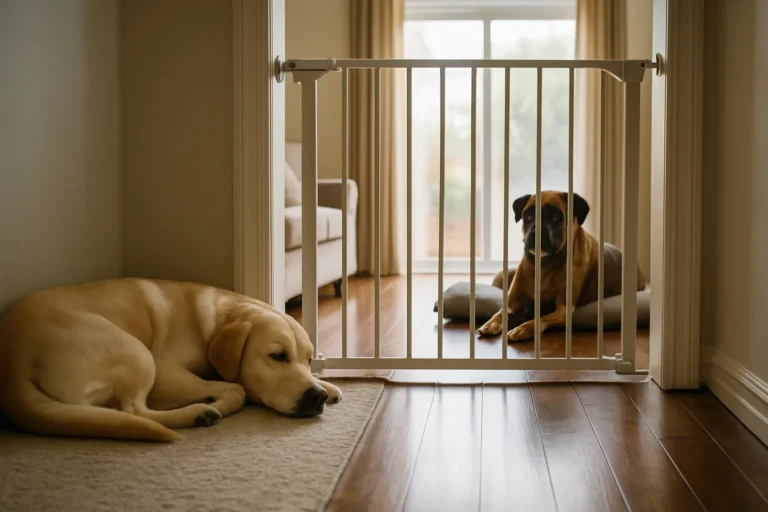
The best low-maintenance dogs for families are not simply the smallest dogs available. A good match should tolerate ordinary household noise and respectful handling, fit your exercise routine, remain manageable to train, and have grooming and attention needs your family can consistently meet.
This guide focuses on low-maintenance kid-friendly small dogs and explains the tradeoffs behind each choice. Some breeds are easy to groom but vocal, while others are calm but need regular coat care or prefer more companionship. Use the list as a starting point, then match a dog’s individual temperament to your children’s ages and your schedule.
How to Choose a Low-Maintenance Small Dog for a Family
Low maintenance can describe several different things, and they do not always occur together. A short coat may reduce brushing but will not necessarily reduce shedding. A quiet dog may still need daily play, while a relaxed dog may dislike being carried or handled. Before choosing among small dog breeds with low maintenance needs, decide which type of effort your household can realistically provide.
Children also change the definition of a good fit. Toddlers need close supervision around every dog and are not ready to manage feeding, walking, or handling independently. School-age children can learn routines and gentle interaction, but adults still remain responsible for care. Teenagers may be able to provide exercise and training, although the dog should not depend on one child’s changing schedule.
| Factor | What to look for | Why it matters |
|---|---|---|
| Grooming | A coat and brushing routine your family will maintain | Neglected coats can become uncomfortable and time-consuming to restore |
| Exercise | Energy that fits your daily walks, play, and indoor space | A small body does not automatically mean low activity needs |
| Temperament | Patience, sociability, and comfort with normal family activity | Children can be unpredictable, noisy, and physically awkward |
| Trainability | A dog responsive to reward-based training and household rules | Clear training makes interactions safer and daily care easier |
| Noise and attention | Barking and companionship needs that suit your home | Vocal or highly dependent dogs may be difficult in apartments or busy households |
- Low grooming means less brushing, trimming, bathing, or coat management; it does not mean no grooming.
- Low exercise means manageable activity, not a dog that can be left without walks, play, or enrichment.
- Low barking is different from calmness. Some dogs are relaxed but still alert the household frequently.
- Low emotional need is not the same as independence. Every dog needs companionship, training, supervision, and social contact.
- Size alone is a poor selection tool. Some tiny dogs are delicate, intense, or easily overwhelmed, while some sturdier small dogs cope better with family life.
Best Low-Maintenance Kid-Friendly Small Dogs
The breeds below are practical candidates for families seeking easy-care small dog breeds, but none is maintenance-free. Individual temperament, early socialization, training, breeding, age, and past experiences can matter as much as the breed label. Always supervise children with a dog, especially during play, feeding, resting, or handling.
| Breed | Family strengths | Main tradeoffs |
|---|---|---|
| Boston Terrier | Compact, personable, generally manageable for active homes, and usually easy to groom | Can be excitable, may shed, and may need careful management of heat and strenuous activity |
| Cavalier King Charles Spaniel | Affectionate, adaptable, and often gentle with respectful children | Needs regular companionship, routine coat care, and patient supervision around young children |
| Pug | Affectionate, playful, and often content with moderate activity and indoor time | Sheds, can be stubborn, and may need extra care with heat and exertion |
| Bichon Frise | Friendly, trainable, low-shedding coat, and a sociable family temperament | Requires regular brushing and professional coat maintenance; can become noisy when bored |
| Shih Tzu | Adaptable, companionable, and suitable for many smaller homes | Coat care is substantial unless kept in a short trim, and it may dislike rough handling |
| French Bulldog | Usually people-oriented, relatively compact, and often satisfied with short activity periods | Can be stubborn, sheds, and may need careful heat and exercise management |
| Havanese | Sociable, responsive to training, and often playful without requiring intense exercise | Needs regular coat care and may bark or struggle when left alone for long periods |
| Miniature Poodle | Highly trainable, active enough for family games, and low-shedding for many households | Needs regular clipping, mental stimulation, and consistent training |
| Beagle | Sturdy, cheerful, playful, and often a good match for children who enjoy outdoor activity | Can be vocal, scent-driven, independent, and harder to manage off leash |
| Rat Terrier | Bright, compact, athletic, and typically straightforward to groom | Often needs more activity and engagement than its size suggests and may chase small animals |
- Boston Terrier: A short coat keeps routine grooming simple, and the breed’s social nature can suit a lively family. It is a better choice for children who understand that energetic play must include breaks and gentle handling.
- Cavalier King Charles Spaniel: This affectionate companion can be a strong choice for families wanting a calm, adaptable presence. It is not ideal for households where the dog will regularly be alone for long stretches, because companionship is central to its routine.
- Pug: Pugs often enjoy family life without demanding long runs, making them appealing to homes that prefer moderate activity. Their shedding, persistence, and need for sensible temperature and exercise management mean they are not effortless pets.
- Bichon Frise: The Bichon is one of the more promising low-shedding small dogs for families and is often playful and willing to learn. Its coat requires a dependable brushing and trimming schedule, so low shedding should not be confused with low grooming.
- Shih Tzu: A Shih Tzu may work well in a quieter home with children who can interact respectfully. Keeping the coat in a short trim can simplify daily care, but regular professional maintenance and protection from rough play remain important.
- French Bulldog: Many French Bulldogs enjoy being near people and can adapt to smaller homes. They are not a good match for families seeking a robust jogging or hiking partner, and their heat and exertion limits deserve careful consideration.
- Havanese: This cheerful breed can fit families looking for a friendly, trainable companion with moderate exercise needs. It usually does best when included in household activities rather than routinely left alone.
- Miniature Poodle: A Miniature Poodle can be an excellent first-time family dog for owners ready to provide training and coat care. Its intelligence is an advantage, but without mental work it may invent its own entertainment.
- Beagle: Beagles are among the sturdier family-friendly small dogs and can thrive with children who enjoy walks and games. Their nose, voice, and independent streak make secure outdoor areas and consistent training especially important.
- Rat Terrier: This breed offers a short, simple coat and an alert, engaging personality. It may suit families with an active routine, but it is not among the dogs that do not need a lot of attention; daily activity and training are part of the bargain.
What Makes Each Breed Easy or Hard for Family Life
The easiest breed on paper can become difficult if its strongest needs conflict with your household. Compare the daily work involved rather than ranking breeds by appearance or popularity.
Coat type is one of the clearest dividing lines. Boston Terriers, French Bulldogs, Pugs, Beagles, and Rat Terriers usually need less coat styling than Bichons, Shih Tzus, Havanese, and Miniature Poodles. However, short-coated dogs can still shed, and low-shedding dogs usually exchange loose hair for brushing, clipping, or both.
Exercise needs also vary. Pugs and French Bulldogs may suit families that prefer shorter outings, provided activity and weather are managed sensibly. Beagles, Rat Terriers, and Miniature Poodles generally need more purposeful exercise or enrichment. Boston Terriers and Havanese often fall between those extremes.
For first-time owners, trainability and motivation can matter more than intelligence. Miniature Poodles, Bichons, and Havanese often respond well to consistent reward-based teaching. Beagles and Pugs may be more independent, while Rat Terriers can be intense and quick. A patient household can succeed with any of them, but easy training is not identical to easy living.
Barking and attention needs deserve their own assessment. Beagles can be notably vocal, Havanese may alert or protest when bored, and small alert breeds can make apartment life harder. Cavaliers and many companion-oriented breeds may be calmer in the home but need more human contact. Dogs that do not need a lot of attention are still uncommon: every dog needs a predictable relationship with its people.
For toddlers, favor sturdier, patient individuals and plan constant adult supervision. School-age children can often participate in training, grooming, and walks. Teens may be able to handle more active breeds, but the whole family should be prepared to maintain care when school, work, or activities change.
| Household priority | Potentially good matches | Watch for |
|---|---|---|
| Simple coat care | Boston Terrier, French Bulldog, Pug, Beagle, Rat Terrier | Shedding, skin care, nail trimming, and regular bathing still matter |
| Lower shedding | Bichon Frise, Havanese, Miniature Poodle, Shih Tzu | Brushing and scheduled trimming can be a significant commitment |
| Moderate indoor energy | Cavalier King Charles Spaniel, Pug, Shih Tzu, French Bulldog | Companionship needs and tolerance for heat or strenuous activity vary |
| Active children | Beagle, Rat Terrier, Miniature Poodle, Boston Terrier | Training, secure outdoor management, and daily enrichment are essential |
| Apartment living | Cavalier King Charles Spaniel, Shih Tzu, Bichon Frise, some Boston Terriers | Individual barking, separation tolerance, and exercise needs still decide success |
Best Picks by Family Need
There is no single best small dog for every family. These groupings make it easier to narrow the list according to the work your household is prepared to do.
- Best for busy families: Consider a Boston Terrier, Shih Tzu, or adult Cavalier King Charles Spaniel when the household can provide daily companionship but prefers moderate exercise. An adult dog with a known temperament may be easier to match than a puppy.
- Best for first-time dog owners: Bichon Frises, Havanese, Cavaliers, and Miniature Poodles can be rewarding for beginners who are willing to train consistently. Their sociability and responsiveness may make household routines easier, but coat care should be budgeted and scheduled.
- Best low-shedding or hypoallergenic-leaning picks: Bichon Frises, Havanese, Miniature Poodles, and Shih Tzus are common options for families concerned about loose hair. No dog is completely allergen-free, and coat maintenance remains necessary.
- Best calm small dogs for children: Individual Cavaliers, Shih Tzus, and well-socialized Bichons may suit families seeking a gentler indoor companion. Calmness should be evaluated in the actual dog, especially when adopting an adult.
- Best quiet small dogs: Cavaliers and some Shih Tzus may be quieter in the right home, while Boston Terriers can work for some apartments when properly exercised. Ask about the dog’s real barking pattern rather than relying on breed reputation.
- Best choices for apartments or smaller homes: Shih Tzus, Bichons, Cavaliers, and some French Bulldogs can adapt to limited indoor space. Apartment suitability depends on daily outings, noise level, alone-time tolerance, and access to safe exercise.
Small Dogs That May Seem Low-Maintenance but Aren’t Ideal for Every Family
A short coat or small frame can create the impression that a dog will be easy. In practice, some small breeds are vocal, highly attached, easily overstimulated, or physically too delicate for young children’s play. This does not make them bad dogs; it means the household must meet a different set of needs.
Toy breeds that are very small or easily startled may be poor choices for toddlers who are still learning safe handling. Their size can make accidental injury more likely, and their sensitivity may turn ordinary child noise into a stressful experience. A sturdier small breed or a mature dog with a documented history around children may be a better fit.
Some companion breeds are simple to exercise but demand considerable human contact. They may become distressed, vocal, or destructive if left alone for long periods. Families should not choose a dog based only on low walking requirements when the adults work away from home all day.
Flat-faced breeds may look like ideal indoor pets because they often prefer short activity periods. Their physical structure can make heat and strenuous exercise more important management concerns, so families should discuss the individual dog’s needs with a veterinarian and avoid assuming that low exercise equals low care.
Highly alert terriers and other energetic small breeds can be easy to groom but harder to occupy. They may need games, training, secure outdoor management, and careful introductions to smaller pets. Likewise, a dog that is affectionate with adults may still be uncomfortable with grabbing, chasing, or noisy play.
- Ask whether the dog is easy to live with, not merely easy to brush.
- Treat fragility, sensitivity, vocal behavior, and separation difficulty as maintenance factors.
- Prioritize a stable, predictable temperament over a fashionable breed or very small size.
- Never leave a young child and a dog together without active adult supervision.
How to Match the Right Dog to Your Kids and Schedule
Start by recording your real routine for a typical weekday and weekend. Note who will provide morning and evening exercise, how long the dog will be alone, when grooming can happen, and what backup is available during school breaks or travel. Choose a dog whose needs fit that routine without relying on an ideal schedule.
Match energy to the family rather than trying to use a dog to change the family’s lifestyle. A Beagle or Rat Terrier may be a good companion for children who already enjoy regular outdoor activity. A Shih Tzu or Cavalier may be more suitable for a household centered on shorter walks and indoor companionship. Either way, mental stimulation, basic training, and social time are daily responsibilities.
Consider the children’s handling skills. Younger children should learn to let a dog eat and sleep undisturbed, avoid climbing or pulling, and ask an adult before touching the dog. Older children can help with simple reward-based training, brushing, or supervised play, but adults should retain responsibility for health care, safety, and routine decisions.
Estimate grooming honestly. A low-shedding coat may require frequent brushing and professional trimming, while a short coat may leave hair around the home. Include nail care, bathing, dental routines, training refreshers, and transportation in your estimate of weekly effort.
An adult rescue dog can make matching easier because its size, energy, and behavior may already be visible. A puppy offers a fresh start but requires house-training, socialization, supervision, sleep management, and extensive teaching. Neither option is automatically lower maintenance; the quality of the match matters most.
Before bringing a dog home, ask a breeder or shelter how the dog responds to children, handling, visitors, being alone, grooming, other animals, and household noise. Ask what exercise the dog receives now, what behaviors concern the current caregivers, and whether there is a gradual transition plan. Meet the dog more than once when possible, and observe whether it can settle after excitement.
- Choose a dog with energy that fits your established routine, not the routine you hope to create.
- Arrange adult supervision, safe resting space, and child education before the dog arrives.
- Compare grooming tasks and shedding with your household’s actual tolerance.
- Ask for specific behavioral examples instead of accepting broad descriptions such as friendly or easy.
- Plan for the dog as a long-term family responsibility, including periods when children become busy or move away.
Finding the Right Low-Maintenance Family Dog
The strongest low-maintenance dogs for families are those whose exercise, grooming, noise, training, and companionship needs fit your real household. Boston Terriers, Cavaliers, Pugs, Bichons, Shih Tzus, French Bulldogs, Havanese, Miniature Poodles, Beagles, and Rat Terriers can all suit the right family, but each brings different work and limitations.
Focus on temperament, child supervision, and a sustainable daily routine rather than choosing by size alone. A well-matched adult dog with realistic care expectations is more likely to become an easy family companion than a breed selected from a short list without considering the individual dog.
What are the top calmest small dog breeds?
Cavalier King Charles Spaniels, Shih Tzus, Bichon Frises, and some Pugs can be calm in a suitable home. Individual temperament matters greatly, and even calm small dogs need exercise, training, social contact, and supervision around children.
What is the calmest dog breed for children?
A well-socialized Cavalier King Charles Spaniel is often considered a gentle family companion, while some Bichons and Shih Tzus can also be calm with respectful children. The individual dog’s patience and the children’s handling skills are more important than a breed label alone.
What is the least needy dog?
No dog is truly low-need because every dog requires care, training, exercise, and companionship. Some adult dogs are more independent than others, but families should assess how a specific dog handles alone time rather than assuming a breed will need little attention.