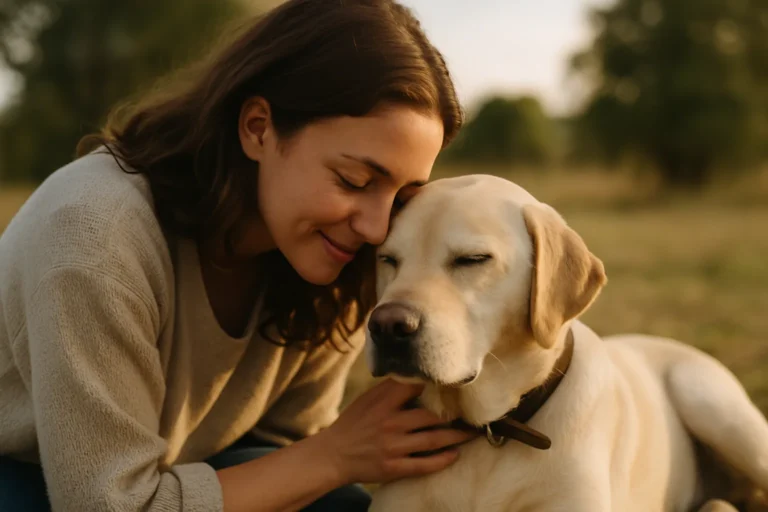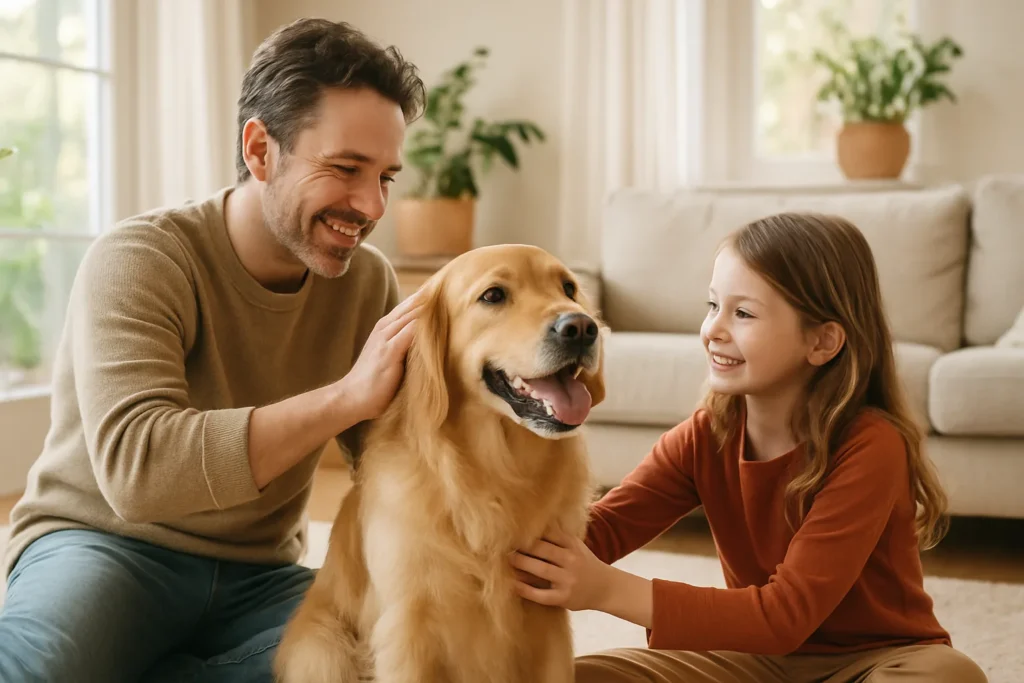
Why are dogs good pets for so many households? Dogs offer responsive companionship, encourage regular activity, add structure to everyday life, and can make it easier to connect with other people.
The benefits of getting a dog can be emotional, physical, social, and practical. The experience depends on the individual dog and the care provided, but understanding why dogs make good pets reveals how deeply they can enrich a suitable home.
Why Are Dogs Good Pets?
Dogs are good pets because many form strong social bonds with people and respond clearly to attention, training, play, and affection. Their willingness to participate in household life can make them feel like active companions rather than passive residents.
Many dogs can learn household rules, walking manners, daily schedules, and useful cues. This trainability helps owners communicate expectations while giving the dog a predictable environment.
Dogs are also remarkably varied in size, temperament, energy level, and care needs. That variety allows many singles, couples, families, active adults, and older adults to find a compatible companion, although no dog is suitable for every household.
- Dogs can provide steady companionship and affectionate social contact.
- Dogs often develop recognizable routines and close relationships with their caregivers.
- Dogs can learn behaviors that make shared home life safer and more enjoyable.
- Dogs can participate in activities ranging from quiet evenings to long outdoor walks.
- Dogs can adapt to many household types when their individual needs are met.
The Main Benefits of Getting a Dog
The most meaningful benefits of getting a dog depend on the match between the dog, the owner, and the household routine. A person who enjoys walking may value an enthusiastic exercise companion, while someone living alone may place greater value on daily company.
The main advantages generally fall into emotional, physical, social, family, and lifestyle categories. These benefits often overlap because a single activity, such as taking a dog for a walk, can provide movement, structure, outdoor time, and social interaction.
- Companionship can make time at home feel less isolated.
- Regular walks and play can encourage owners to move more often.
- Feeding, exercise, and care schedules can create a dependable daily rhythm.
- Walks and shared activities can lead to conversations with neighbors and other dog owners.
- Caring for another living being can provide purpose, connection, and rewarding shared experiences.
Emotional and Mental Benefits of Owning a Dog
Companionship is one of the most widely valued mental benefits of getting a dog. A dog may greet its owner, rest nearby during quiet periods, initiate play, and provide a reassuring presence throughout the day.
That presence can be especially meaningful for people who live alone or spend substantial time at home. A dog does not replace human relationships or professional mental health care, but regular interaction with a familiar animal may reduce feelings of loneliness for some people.
Dog care can also create a sense of purpose. Getting up for a morning walk, preparing meals, practicing training cues, and monitoring the dog’s well-being give the day a series of concrete and meaningful tasks.
Dogs may offer comfort during stressful or emotionally difficult periods through closeness, touch, play, and predictable routines. These experiences can support mood, but they should not be presented as guaranteed treatments for anxiety, depression, or other health conditions.
Are people with dogs happier? Some owners report greater happiness, companionship, and life satisfaction, but individual outcomes vary. A well-matched dog can contribute to well-being, while financial pressure, behavioral problems, or unmet care needs can create stress instead.
Physical Health and Daily Routine Benefits
Dogs need regular opportunities to walk, play, explore, and relieve themselves, which can encourage their owners to move more consistently. Even relatively short walks add activity to periods that might otherwise be sedentary.
Walking a dog also provides time outdoors and exposes owners to changing weather, daylight, and neighborhood activity. More energetic dogs may become partners for hiking, jogging, or other suitable activities after receiving appropriate conditioning and veterinary guidance.
The routine itself can be as valuable as the exercise. Meals, potty breaks, walks, grooming, play, and bedtime establish predictable points in the day, which can help owners maintain structure even when work or personal schedules are flexible.
These dog benefits to humans are opportunities rather than automatic health outcomes. An owner must participate consistently, and the amount and intensity of exercise should suit both the person and the dog.
- Morning and evening walks can anchor the beginning and end of the day.
- Play sessions can break up long periods of sitting.
- Outdoor care can encourage regular exposure to fresh air and daylight.
- A dependable feeding and exercise schedule can strengthen time-management habits.
- Shared physical activities can make movement feel purposeful and enjoyable.
Social Benefits: Why Dogs Help People Connect
Dogs can act as natural conversation starters because their behavior, appearance, and activities give people an immediate shared topic. A simple greeting during a walk may gradually develop into regular conversations with neighbors.
Training classes, organized walks, dog-friendly events, and carefully managed playgroups can introduce owners to people with similar interests. These activities create repeated opportunities for social contact without requiring the owner to begin every interaction from scratch.
For some people, focusing on the dog reduces the pressure of meeting someone new. The dog creates a shared point of attention, although owners should always respect other people’s personal space and ask before allowing an interaction.
Social opportunities are not limited to dog parks, which are unsuitable for some dogs. Neighborhood walks, small training groups, visits with familiar friends, and quiet outdoor activities can offer connection without overwhelming a shy or selective dog.
Reasons to Own a Dog in Family Life
One of the strongest reasons to own a dog as a family is the opportunity to build shared routines and memories. Walking, playing, training, and relaxing with a dog can become activities that household members enjoy together.
The benefits of having a dog for a child may include companionship, active play, and opportunities to practice empathy. Children can learn that animals have individual needs, boundaries, and ways of communicating.
Age-appropriate care tasks can also teach consistency. A young child might refill a water bowl with help, while an older child might participate in training or accompany an adult on walks.
Adults must remain responsible for the dog’s care, safety, training, exercise, and veterinary needs. Children and dogs should be supervised appropriately, and a dog should never be expected to tolerate grabbing, climbing, teasing, or unwanted attention.
- A dog can provide companionship that several family members share.
- Walks and play can encourage the family to spend active time together.
- Care routines can help children practice consistency under adult supervision.
- Gentle interaction can help children recognize another living being’s feelings and boundaries.
- Training goals can give family members a constructive project to complete together.
Are Dogs Good House Pets?
Dogs can be excellent house pets when they receive sufficient exercise, enrichment, training, companionship, and opportunities to relieve themselves. Living indoors allows a dog to participate in family life and makes it easier for owners to notice changes in behavior or health.
Size alone does not determine whether a dog will be comfortable in a house or apartment. Temperament, energy level, noise sensitivity, exercise needs, and ability to settle indoors often matter more than a simple small-versus-large comparison.
Successful indoor living requires clear rules and useful skills. House-training, polite greetings, safe chewing habits, comfort with short periods alone, and the ability to relax in a designated space all support a calmer household.
Not every dog suits every home. A highly energetic dog may struggle with an inactive routine, while a noise-sensitive dog may find a busy building stressful, but many dogs thrive indoors when their physical and behavioral needs are consistently met.
Practical Reasons You Should Get a Dog if the Fit Is Right
The most practical reasons for getting a dog are often visible in ordinary moments rather than dramatic events. A dog can provide company during a quiet evening, prompt a walk after a long workday, or add structure to an otherwise unplanned weekend.
These everyday benefits are especially valuable when they match habits the owner genuinely wants to maintain. Someone who dislikes outdoor activity should not assume a dog will automatically transform that preference, but someone seeking a consistent walking companion may appreciate the added motivation.
Among the reasons you should get a dog if the fit is right are the desire for involved companionship, a more active routine, regular opportunities for social contact, and the responsibility of caring for another living being. The strongest benefits arise when those desires are supported by enough time, patience, space, and money.
- A dog can offer interactive companionship throughout the day.
- A dog’s care needs can provide motivation to follow a regular schedule.
- Walking and play can encourage more frequent physical activity.
- Dog-related activities can create opportunities to meet other people.
- Training and caregiving can provide achievable goals and a sense of purpose.
- Shared experiences can create lasting memories for individuals, couples, and families.
When the Benefits Depend on Choosing the Right Dog
Positive ownership experiences depend heavily on lifestyle compatibility. A dog’s energy level, sociability, training history, age, health, grooming needs, and tolerance for being alone all affect how comfortably that dog fits into daily life.
Time, housing, and budget also influence whether the anticipated benefits are realized. Food, veterinary care, training, grooming, supplies, pet care during travel, and housing fees can turn into sources of stress when they are not planned for.
A compatible match does not require a perfect dog, but it does require realistic expectations and consistent care. Choosing based on temperament and daily needs rather than appearance or popularity gives both the person and the dog a better opportunity to thrive.
Benefits of Having a Dog for Different Households
The same benefit can look different from one household to another. Companionship may mean a reassuring presence for someone living alone, a shared activity for a couple, or an opportunity for supervised learning in a family with children.
1. Singles and people living alone can gain steady companionship.
A dog can make the home feel more socially active and provide someone to care for, talk to, train, and include in daily activities. Walks may also help people living alone interact more regularly with their neighborhood.
2. Couples can build shared routines around a dog.
Walking, training, and caring for a dog can become shared projects that encourage teamwork. Clear agreement about responsibilities remains important so that one person does not unexpectedly carry most of the workload.
3. Families with children can share companionship and learning.
A suitable dog can participate in family activities while giving children supervised opportunities to practice gentle behavior, empathy, and consistent care. Adults must manage all interactions and retain ultimate responsibility for the dog.
4. Active adults can enjoy a compatible outdoor companion.
A healthy dog with an appropriate energy level may join walks, hikes, runs, training activities, or outdoor trips. Activity should always match the dog’s age, physical condition, breed-related traits, and environmental tolerance.
5. Older adults can benefit from companionship and routine.
A calm, manageable dog may provide affection, purpose, gentle activity, and a predictable daily rhythm. The dog’s size, strength, exercise demands, lifespan, and future care arrangements should match the person’s mobility and support network.
Dogs Make Good Pets When Care and Lifestyle Align.
The central benefits of getting a dog include companionship, routine, movement, social connection, and a meaningful caregiving relationship. Dogs can also strengthen family activities, encourage time outdoors, and make everyday life feel more engaged.
These advantages are most likely to develop when the dog’s temperament and needs fit the household’s schedule, resources, and expectations. With thoughtful matching and consistent care, a dog can become a rewarding companion in many different kinds of homes.
Frequently Asked Questions
What are five good reasons to get a dog?
Five good reasons to get a dog are companionship, motivation for regular activity, a stronger daily routine, more opportunities for social interaction, and a sense of purpose from caregiving. The value of each benefit depends on choosing a dog whose needs fit the household.
Are people with dogs happier?
Some people with dogs report feeling happier, less lonely, or more connected, but dog ownership does not guarantee greater happiness. The outcome depends on factors such as lifestyle fit, the dog’s behavior and health, financial readiness, available support, and the owner’s expectations.
Are dogs good house pets?
Dogs can be very good house pets when they receive appropriate exercise, enrichment, training, companionship, and bathroom breaks. Temperament and energy level often matter more than size, and every dog needs an indoor routine that meets its individual needs.
What are the pros and cons of getting a dog?
The main advantages include companionship, routine, activity, social opportunities, and a rewarding bond. The disadvantages of having a dog can include ongoing expenses, daily time commitments, training challenges, shedding or mess, travel limitations, and responsibility for veterinary care.
What makes dogs better companions than some other pets?
Many dogs are highly responsive to human attention, enjoy shared activities, and can learn a broad range of household behaviors and cues. Those traits make them appealing to people seeking an involved companion, but they do not make dogs universally better than other pets because the best species depends on the person’s lifestyle and preferences.