If you are wondering why your cat’s pee smells so bad, the answer may be as simple as concentrated urine sitting in an overdue litter box. Cat urine is naturally pungent, and its odor can become much stronger as it sits, especially in a warm, humid, enclosed space.
A sudden change deserves more attention than a strong but familiar baseline smell. Dirty litter, diet changes, dehydration, urine marking, hidden residue, and urinary or metabolic problems can all be possibilities. If your cat stinks like pee, check the box and surrounding area first, then look for changes in bathroom habits or general health.
Why Cat Pee Smells So Strong in the First Place
Cat urine contains concentrated waste compounds, so it can smell stronger than the urine of many other household animals. The odor is not automatically a sign that something is wrong.
As urine sits, it breaks down and can develop a sharp ammonia-like smell. Heat, humidity, poor airflow, an enclosed litter area, and saturated litter can intensify the odor. One accident may also smell surprisingly strong if it soaked into an absorbent surface and remained there unnoticed.
This is why the first step is to compare the smell with your cat’s usual odor and inspect the entire litter setup. A familiar smell that is stronger in an old box points to a different next step than a sudden odor change accompanied by straining or repeated trips to the box.
What’s Normal vs. What’s Not
A mild to moderately strong urine odor can be normal for an individual cat. The most useful clue is often a change from that cat’s normal pattern rather than the absolute strength of the smell.
A new fishy, unusually foul, sweet, or extremely sharp odor is worth investigating, particularly if it persists after the box is cleaned. Smell alone cannot identify a disease, but it can tell you when to observe more closely or contact a veterinarian.
Look for changes that occur alongside the odor. Straining, frequent trips with little output, crying while urinating, blood, accidents, lethargy, appetite changes, vomiting, or unusual thirst make the situation more concerning.
- Familiar odor that improves after litter is replaced: often a box or residue issue.
- Sudden odor change with new bathroom behavior: arrange veterinary advice.
- Odor plus severe discomfort, repeated straining, or inability to pass urine: seek urgent veterinary care.
Common Reasons Your Cat’s Pee Smells So Bad
Several non-medical and medical explanations can overlap. Start with the easy environmental checks, but do not dismiss a persistent change just because the litter box looks clean.
Dehydration can make urine more concentrated and therefore more noticeable. Less drinking, a change in feeding routine, warm weather, or another stressor may coincide with the odor. Offer fresh water in places your cat uses comfortably, and ask your veterinarian whether wet food or another hydration-support strategy is appropriate.
A dirty litter box is one of the most common explanations. Saturated litter, residue on the base, damp seams, and urine beneath or behind the box can create stale ammonia buildup. The smell may continue even after the visible clumps are removed.
Diet changes, including a switch to a different formula or a diet that is higher in protein, may alter odor intensity. Note what changed and when rather than making abrupt food changes in response to smell alone.
Marking behavior can produce a strong odor, especially when urine is sprayed onto vertical surfaces. Stress, territorial conflict, and the presence of an intact cat can contribute to marking. A urinary accident is usually found on a horizontal surface, while marking is often placed on walls, furniture, or other upright targets.
Urinary tract irritation, infection, or bladder inflammation can be associated with odor changes and altered litter habits. Kidney disease and diabetes are also health concerns that may need veterinary evaluation when odor changes occur with increased thirst, appetite changes, weight changes, or altered urination.
Hidden urine residue can make it seem as though fresh urine is being produced constantly. Check floor edges, walls, furniture, bedding, box seams, and areas behind or beneath the litter box.
If the Smell Changed All of a Sudden
When your cat’s urine smells strong all of a sudden, make a short timeline. Record recent food or treat changes, changes in water intake, hot weather, a litter box that needs a full refresh, household stress, and any new spraying.
Over the next day, observe how often your cat visits the box, whether urine is produced, where it is placed, and whether your cat appears comfortable. Do not wait for observation to run its course if your cat is straining, vocalizing, producing little or no urine, or showing signs of illness.
If the odor remains unusual after the box and nearby surfaces are cleaned, contact your veterinarian. A sudden smell change is more meaningful when it persists or appears with changes in urination, appetite, energy, or thirst.
- Write down when the odor changed.
- Check whether the smell comes from fresh urine, old residue, or the cat’s fur.
- Note diet, water intake, stress, spraying, and litter box behavior.
- Contact a veterinarian promptly if urinary discomfort or general illness appears.
Male Cat Urine Smell: Intact vs. Neutered Cats
Intact male cats often produce particularly noticeable urine and spray odors because hormones influence territorial marking. Spraying small amounts onto vertical surfaces can smell stronger than a normal pool of urine, and the odor may linger if the surface is porous.
Neutering may reduce hormone-driven marking, but a neutered male cat can still have strong-smelling urine. Concentrated urine, dirty litter, stress, residue, or a urinary health problem can affect odor regardless of neuter status.
Look at placement as well as smell. Urine on a wall, door, or furniture edge suggests marking may be involved; urine on bedding or the floor may reflect an accident, box problem, or difficulty getting to the box. Any new pattern should be assessed in context.
Smell Decoder: What Different Odors Can Mean
Odor descriptions can help you decide what to inspect, but they are not a diagnosis. Identify the source first: fresh urine, old residue, fecal contamination, or fur can smell very different.
A sharp ammonia smell commonly points to urine that has been sitting, concentrated urine, or a litter box that needs deeper cleaning. A fishy or unusually foul smell may come from urinary or genital-area contamination, but it can also come from feces or residue near the box.
A sweet or fruity smell is a reason to seek veterinary advice, especially when paired with changes in thirst, appetite, energy, or urination. A musty stale smell throughout the home more often suggests hidden residue than fresh urine alone.
Why Your Cat Smells Like Pee Even When the Litter Box Looks Fine
If your cat stinks like pee but the box appears clean, inspect the cat rather than stopping at the litter area. Urine can collect on paws, the belly, tail, or rear fur after a cat steps in a clump or has a messy bathroom visit.
Long-haired cats may trap urine in their coat. Arthritis, obesity, discomfort, or reduced mobility can also make it harder to posture cleanly or groom afterward. A change in grooming, repeated licking of the urinary area, or reluctance to enter the box deserves attention.
The box itself may still be part of the problem. A cramped box, unsuitable litter depth, high sides, poor placement, or litter that is not kept clean can lead to contact with urine. Clean the cat’s coat gently with pet-safe methods and ask a veterinarian or groomer for help if the fur is matted or the skin looks irritated.
- Check paws, tail, belly, and rear fur for dampness or residue.
- Look for clumps stuck to long hair or fur that is difficult to keep clean.
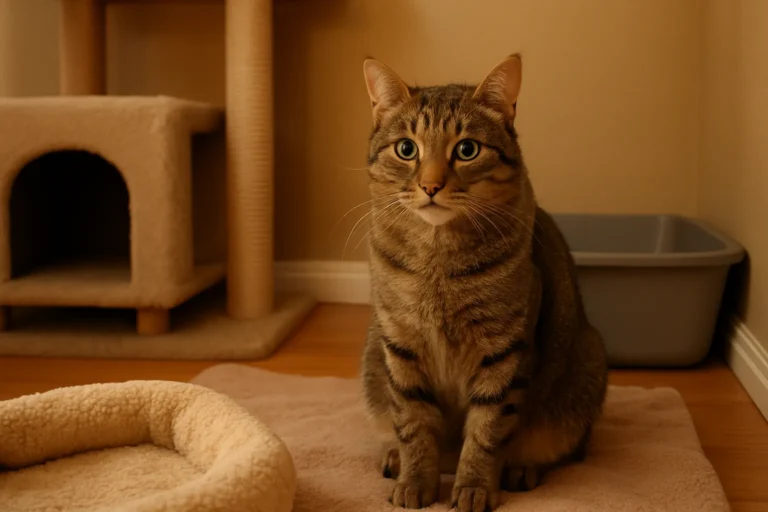
- Consider whether the box is large enough and easy for your cat to enter.
- Arrange veterinary advice for new grooming changes, discomfort, or repeated wetness.
What to Do Today to Reduce the Smell
Begin with the litter box and work outward. Scoop promptly, remove saturated litter, and wash the box and nearby floor according to the material’s care needs. Avoid simply covering the smell with fragrance, since that does not remove the urine source and may make the area less comfortable for your cat.
Search for accidents beyond the box, including corners, walls, bedding, furniture edges, and areas underneath or behind the box. An enzymatic cleaner made for pet urine can help break down residue on compatible surfaces; follow its label directions and test delicate materials first.
Support normal drinking by providing clean, fresh water in accessible locations. Some cats prefer moving water, while others drink more readily when wet food is part of a veterinarian-approved diet. Do not force water or make sudden feeding changes without guidance.
Keep a simple record of odor, litter box visits, urine placement, food, water intake, and behavior. Patterns can reveal whether the problem follows a dirty box, a stressor, a diet change, or a possible health concern.
- Scoop the box regularly and replace litter that is saturated or strongly odorous.
- Wash the box and inspect seams, mats, walls, and nearby flooring.
- Use an enzymatic cleaner on suitable surfaces where accidents occurred.
- Check for spraying on vertical surfaces and hidden urine outside the box.
- Provide clean water and discuss hydration support with your veterinarian.
- Monitor litter habits and the odor rather than relying on smell alone.
When Bad-Smelling Pee Needs a Vet Visit
Contact a veterinarian when strong odor comes with straining, frequent attempts to urinate, crying, blood, accidents, or a clear change in the amount or location of urine. Persistent odor changes also warrant advice when the litter box is clean and your cat is drinking normally.
Lethargy, vomiting, poor appetite, or noticeably increased thirst add urgency. A male cat that repeatedly strains, produces little or no urine, or appears distressed needs urgent veterinary care because urinary obstruction can become an emergency.
Bring useful observations: when the change began, what the odor resembles, how often the cat visits the box, whether urine is produced, recent diet or household changes, and photos of unusual placement if relevant. Do not try to diagnose the cause from smell alone or give human medication.
- Seek urgent care for repeated straining, severe distress, or little or no urine.
- Arrange a prompt visit for blood, painful urination, frequent trips, or persistent accidents.
- Mention changes in thirst, appetite, energy, grooming, diet, and stress.
- Keep the box available and clean while arranging professional advice.
A Quick Note on Very Smelly Poop
If you are also wondering why your cat’s feces smell so bad, occasional strong stool odor may follow certain foods or simply be more noticeable in an enclosed, dirty box. Urine and feces can overlap in the smell of a poorly maintained litter area, but they point to different cleanup and health questions.
Very foul stool, especially with diarrhea, mucus, a sudden persistent change, or other signs of illness, deserves separate veterinary attention. Note the stool’s appearance, frequency, and timing rather than assuming the urine is responsible.
The Bottom Line on Strong-Smelling Cat Pee
Cat urine is naturally strong, but a sudden or persistent change should not be dismissed. Clean and inspect the entire litter area, check your cat’s fur and paws, review recent diet and stress changes, and support access to fresh water.
If odor appears with painful or altered urination, general illness, or repeated accidents, contact a veterinarian. Fast attention is especially important when a male cat strains or cannot pass urine.
What does unhealthy cat urine smell like?
There is no single smell that proves illness. A sudden fishy, unusually foul, sweet, or dramatically sharper odor is worth investigating, especially with straining, frequent urination, blood, accidents, appetite changes, lethargy, vomiting, or increased thirst.
Why do I smell cat pee when no one else does?
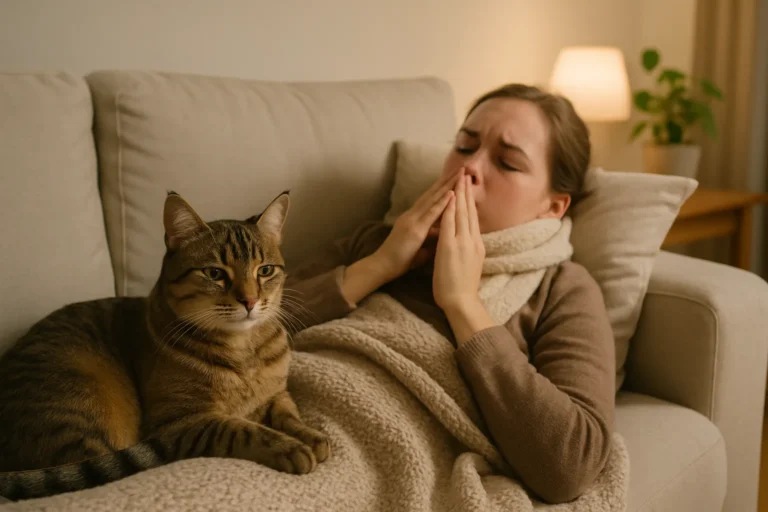
You may be closer to a small hidden residue, or the smell may be lingering in fabric, flooring, walls, or box seams. Search methodically and clean suspected areas. If you keep noticing the smell without finding a source, ask a veterinarian about your cat and a healthcare professional about persistent changes in your own sense of smell.
Is it normal for some cats’ pee to barely smell?
Yes, odor varies between cats and changes with how fresh or concentrated the urine is, the litter type, and ventilation. A weaker smell by itself is not a problem, but any new change in urination, behavior, appetite, thirst, or energy should be discussed with a veterinarian.