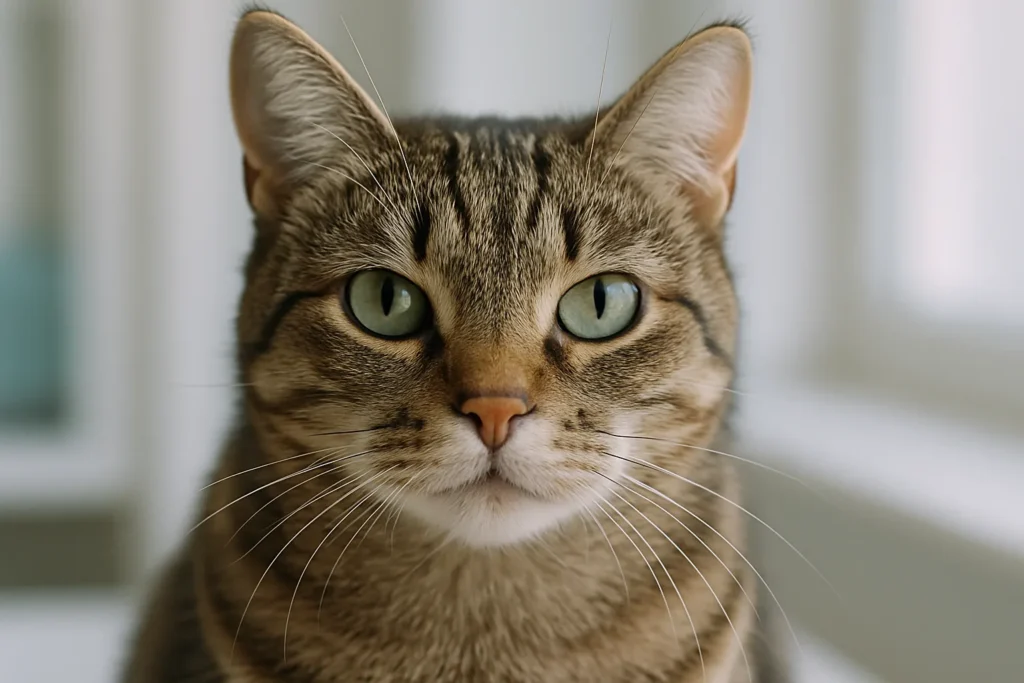
Why are cat noses wet? Usually, a cat has a thin layer of moisture from normal nasal secretions, grooming, or contact with water. A slightly damp nose is common, but it is not a dependable test of health by itself.
So, should a cat nose be wet? It may be, but healthy cats can also have noses that feel dry, warm, cool, or only lightly damp at different times. The important distinction is between ordinary moisture and persistent discharge accompanied by other changes.
Why Cat Noses Are Wet in the First Place
A cat’s nose often has a thin film of normal moisture. The moisture can come from secretions produced in the nasal passages and from licking during routine grooming. Cats frequently clean their faces, so a nose may become damp even when nothing is wrong.
Moisture may also help scent particles adhere to the nose, although that is not the only reason it feels wet. Nose moisture naturally changes throughout the day with grooming, activity, sleep, room conditions, and recent contact with food or water.
Should a Cat’s Nose Be Wet All the Time?
No. Are cats meant to have wet noses? Many cats have a moist nose much of the time, but there is no single texture or temperature that every healthy cat should have constantly. A cat’s nose can feel wet, damp, cool, warm, or briefly dry.
Sleep, activity, room temperature, humidity, hydration, and grooming can all affect what you notice. Wetness does not automatically mean a cat is healthy, and dryness does not automatically mean a cat is sick. Look at appetite, energy, breathing, and behavior as well as the nose.
Everyday Reasons Your Cat’s Nose May Seem Extra Wet
If you are wondering, “Why is my cat’s nose so wet?” first consider what happened recently. A cat may have just licked its nose while grooming, drunk water, or eaten wet food. A small amount of clear moisture after these activities can be entirely ordinary.
Humidity, heat, and changes in temperature can also make moisture more noticeable. A cat’s nose may seem damp after sleeping in a particular position, especially if moisture has collected around the nostrils. Purring or excitement does not usually cause illness-related nasal discharge, but a cat may lick its nose or develop facial moisture while being petted or stimulated.
Wet vs. Runny: What Normal Nose Moisture Looks Like
Normal moisture is usually light, clear, and limited to a thin damp layer on the nose. It should not constantly drip, coat the fur, or interfere with breathing. A naturally damp nose also tends to occur without a sudden change in the cat’s behavior.
Discharge is different from simple wetness. Thick, bubbly, yellow, green, bloody, or foul-smelling material is more concerning, particularly if it keeps returning. Discharge from only one nostril may also deserve closer attention. Crusting around the nostrils is not the same as a healthy, moist surface and should be considered alongside any other symptoms.
When a Wet Nose Can Signal a Health Problem
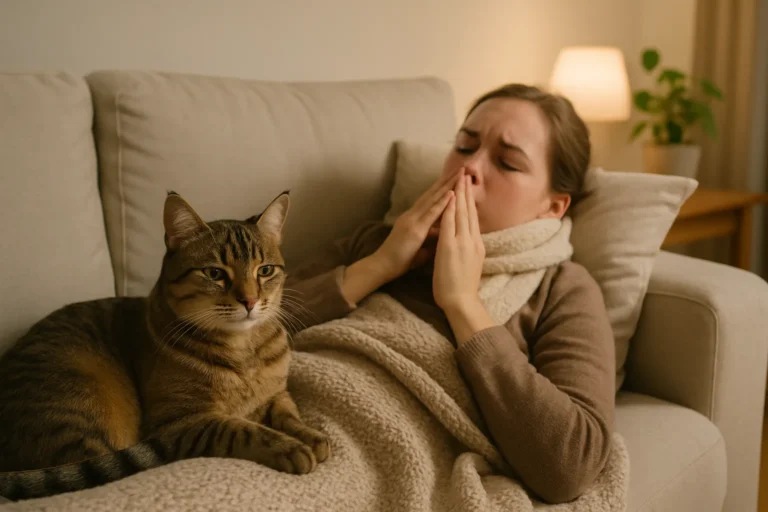
A wet nose becomes more important when it appears with other signs. Cat wet nose and sneezing, repeated nasal discharge, congestion, or noisy breathing may indicate irritation or a respiratory problem. Eye discharge, low energy, reduced appetite, or signs of dehydration add to the concern.
Possible causes can include upper respiratory infections, irritation, allergies, foreign material, or dental-related problems. These possibilities cannot be diagnosed from nose moisture alone. A sudden change from your cat’s usual pattern matters more than whether the nose is generally wet or dry.
Open-mouth breathing, marked weakness, or obvious difficulty breathing should be treated as urgent. A cat that is breathing abnormally needs veterinary attention rather than observation based only on the condition of its nose.
What About a Dry or Cold Nose?
Why are cats’ noses cold? A cool nose often reflects the surrounding environment or recent contact with moisture, rather than a health problem. Likewise, a dry nose may occur after sleep, sun exposure, or time in lower humidity.
If you are asking, “Why is my cat’s nose dry?” check the rest of the cat before assuming illness. Persistent dryness with cracking or sores, or dryness alongside poor appetite, lethargy, sneezing, or breathing changes, deserves veterinary advice. The whole pattern is more useful than nose temperature alone.
When to Call the Vet
Mild, temporary moisture can usually be monitored when your cat is eating, behaving normally, and breathing comfortably. Make a note of whether the moisture disappears, returns, or changes in appearance.
Call a veterinarian promptly for thick or colored discharge, blood, repeated sneezing with discharge, loss of appetite, or marked lethargy. Seek urgent care for labored breathing, open-mouth breathing, or severe weakness.
Do not give a cat human cold medication. Avoid wiping aggressively inside the nostrils; if the outside of the nose needs cleaning, use gentle handling and stop if your cat becomes distressed.
- Monitor brief, clear moisture when your cat otherwise seems normal.
- Contact a veterinarian for persistent discharge, crusting, sneezing, appetite changes, or low energy.
- Seek urgent care for breathing difficulty or severe weakness.
- Avoid human cold medicines and forceful cleaning inside the nostrils.
The Bottom Line on Wet Cat Noses
Cats often have moist noses because of normal secretions, grooming, food, water, and environmental conditions. A wet, dry, warm, or cold nose can all be normal at different moments.
Judge the change in context. Clear, light moisture without other symptoms is usually less concerning, while persistent discharge, crusting, sneezing, appetite changes, lethargy, or breathing problems calls for veterinary guidance.
Why is my cat’s nose wet and they’re sneezing?
A wet nose with sneezing may result from irritation, allergies, or a respiratory problem, especially if there is repeated discharge. Contact a veterinarian if the discharge is persistent, thick, colored, bloody, or accompanied by appetite, energy, eye, or breathing changes.
Why does my cat’s nose get wet when purring?
Purring itself is not a reliable explanation for nasal discharge. Your cat may lick its nose, become excited, or develop temporary facial moisture while being petted. If the nose is constantly dripping or the cat is sneezing or unwell, seek veterinary advice.
Is a dry nose a sign of dehydration?
Not by itself. A dry nose can follow sleep, sun exposure, or low humidity, so it is not a dependable dehydration test. Pay attention to the whole cat, including appetite, energy, and other changes, and ask a veterinarian if you are concerned.