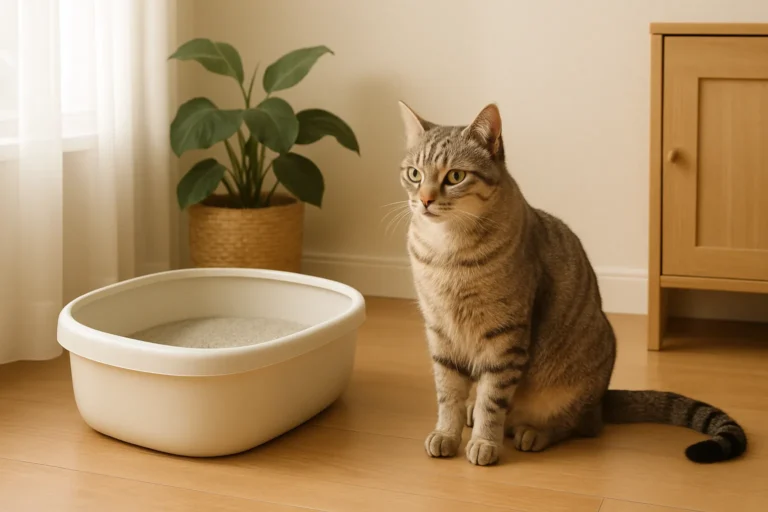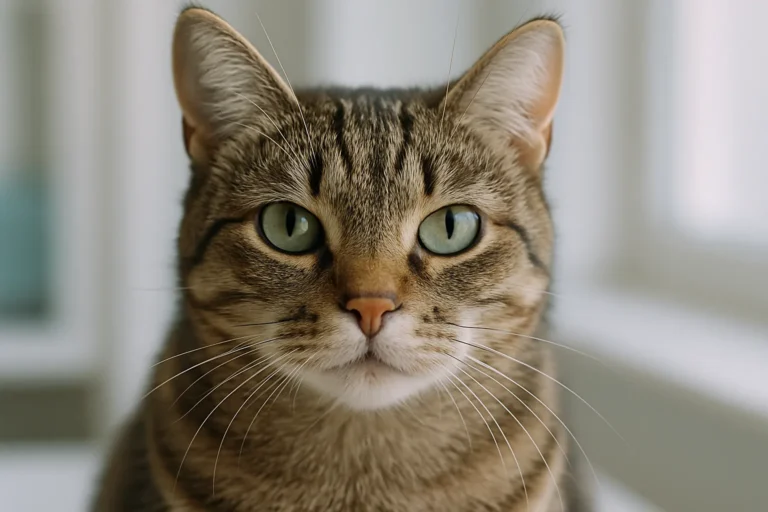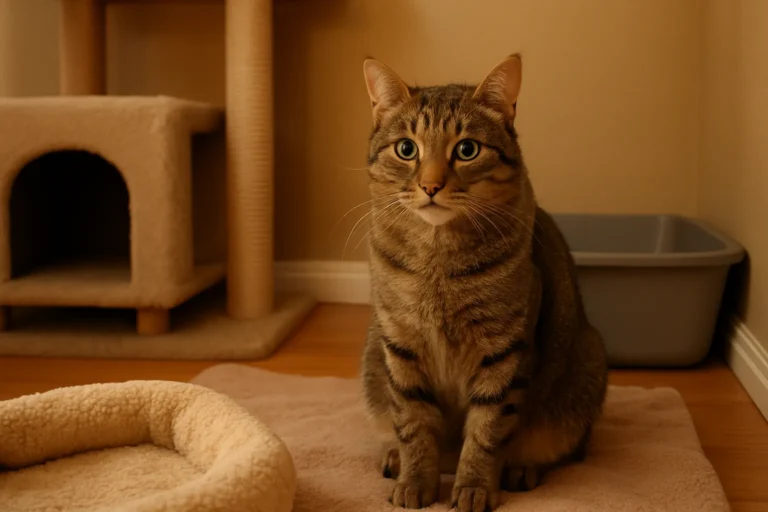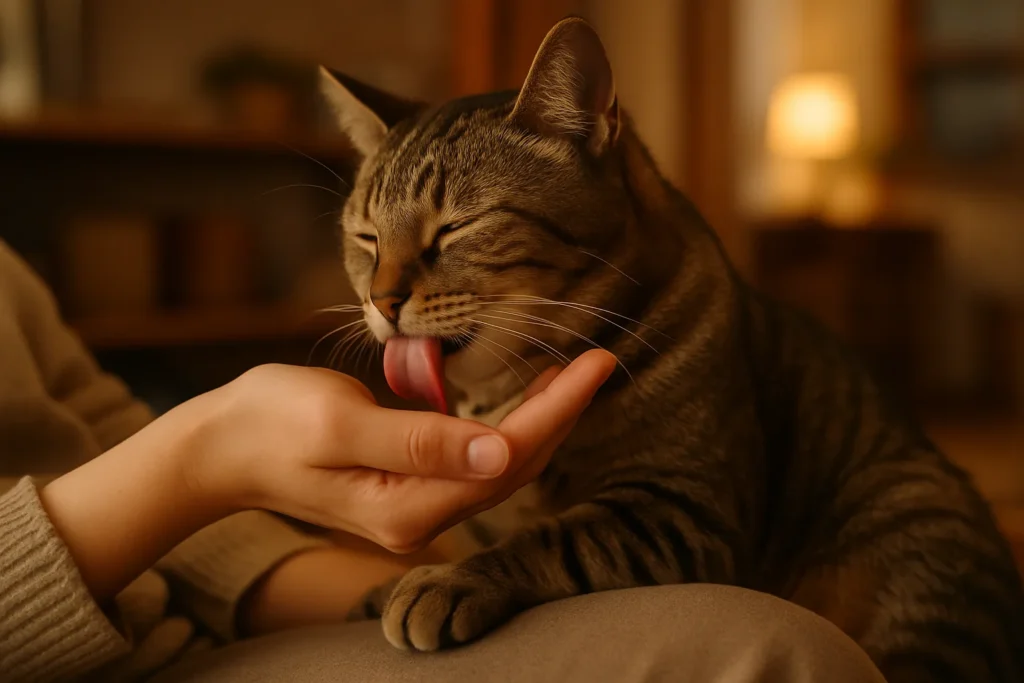
What does a cat licking you mean? Most often, it is a social behavior connected with grooming, trust, comfort, or familiarity. Cats may also lick because they notice salt or another interesting taste on your skin, want attention, or have developed the behavior as a soothing habit.
Why do cats lick their human owners? The answer depends on what happens around the licking. A relaxed cat that licks you while purring may be expressing closeness, while intense licking paired with tension, biting, or a sudden change deserves a closer look. Your cat’s body language, routine, and overall behavior provide the best context.
What Cat Licking Usually Means
A lick is not a complete message by itself. Cats use licking in several situations, so the same behavior can have different meanings depending on the cat and the moment.
- Affection and trust: Gentle licking during calm contact can show that your cat feels safe with you. It may be one way your cat maintains a close relationship.
- Social grooming: Cats that live together may groom one another. Licking you can place you within your cat’s familiar social group and reflect bonding.
- Scent marking: Grooming and close contact help maintain a shared familiar scent. A cat may lick you after settling beside you or following another interaction.
- Curiosity about taste: Skin can carry salt, food residue, lotion, or another smell that interests a cat. Finger licking is especially likely to involve scent and taste exploration.
- Self-soothing or habit: Repetitive licking may feel comforting, or it may have become a learned routine because it reliably receives attention.
How to Tell Which Meaning Fits Your Cat
Read the entire interaction rather than treating every lick as proof of affection. A cat that is comfortable usually looks loose and unhurried. Soft eyes, relaxed ears, gentle kneading, a resting tail, and a calm posture support a friendly interpretation. Purring can also accompany contentment, although it is best considered alongside the rest of the body language.
Notice what happens immediately before the licking. It may follow petting, cuddling, a greeting, waking up, or your cat’s own grooming session. Also consider duration and intensity. A few gentle licks are different from focused, repetitive licking that is difficult to interrupt.
The cat’s mouth and body can provide additional clues. Slow licking with relaxed posture suggests comfort, while rapid licking, skin twitching, pinned-back ears, a swishing tail, or a tense body may indicate rising arousal or overstimulation. Licking followed by nibbling can be playful, but it can also be a way to end contact.
Common Situations and What They Mean
The setting often narrows down the likely explanation. These common patterns can help you interpret the behavior without assuming that every lick has one fixed meaning.
- Licking your hand while you pet them: Your cat may be grooming you back, reinforcing a social connection, or responding to your scent. If the licking becomes faster and is followed by a bite, pause the petting because stimulation may be building.
- Licking while purring: Licking and purring together often occur during comfortable, close contact. Your cat may be combining grooming with a familiar comfort routine. Check for relaxed ears, soft eyes, and an easy posture before reading it as contentment.
- Licking you in the morning: Morning licking can be a greeting, a request for attention, or part of a learned routine around waking, feeding, or interaction. Look at what your cat does next to identify the likely goal.
- Licking your fingers: Fingers can carry traces of food, skin salt, or interesting products. If the licking is brief and targeted, curiosity or taste may be more relevant than emotional bonding.
- Licking then biting: This may reflect play escalation, overstimulation, or a boundary-setting signal. Stop the interaction calmly when you see warning body language, and avoid turning the bite into a game.
Is It Normal for a Cat to Lick You?
Yes, occasional licking is generally a normal part of cat behavior, especially when it occurs during relaxed social contact. Some cats are enthusiastic groomers, while others rarely lick people. Personality, early social experiences, and the strength of the cat-human bond can all influence the pattern.
Normal licking is usually brief or predictable, easy to redirect, and not accompanied by other changes. More concerning patterns include a sudden increase, unusually intense licking, behavior that seems compulsive, or licking that appears alongside tension or physical discomfort.
Frequency alone does not determine whether the behavior is a problem. Ask whether your cat is otherwise relaxed, eating, playing, resting, and interacting as usual. A change from your cat’s established pattern matters more than comparing your cat with another one.
My Cat Always Licks Me: When Frequent Licking Is Still Normal
If your cat always licks you, the behavior may simply be part of a strong social routine. Some cats choose one person for grooming and repeat the ritual at predictable times, such as when that person sits down or prepares for bed.
Frequent licking can also become an attention habit. If licking consistently leads to talking, petting, feeding, or another response, your cat may repeat it because it works. That does not necessarily mean anything is wrong, particularly if your cat remains relaxed and behaves normally in other situations.
Watch for a meaningful change rather than focusing only on the number of licks. A highly social cat that has always groomed you is different from a cat that suddenly becomes intense, restless, clingy, or difficult to redirect.
When Licking Can Signal Stress, Anxiety, or a Medical Issue
Why is my cat licking me so much all of a sudden? A sudden increase may reflect a change in routine, a need for reassurance, or a new attention pattern. It can also occur alongside discomfort or another issue, so the surrounding signs matter.
Take extra notice if the licking is intense, repetitive, difficult to interrupt, or paired with hiding, unusual vocalizing, clinginess, overgrooming, appetite changes, or a shift in normal activity. These signs do not identify one specific cause, but together they make the behavior worth addressing rather than dismissing as affection.
Contact a veterinarian if the change is sudden, persistent, or accompanied by signs of illness, pain, skin irritation, nausea, or substantial behavior change. If the cat appears physically well but the pattern is disruptive or compulsive, a qualified behavior professional can help identify triggers and build a kinder alternative routine.
What It Means If a Kitten Licks You
What does it mean if a kitten licks you? Kittens may lick as part of early social bonding and comfort-seeking. The behavior can resemble the grooming interactions they experienced with their mother and littermates, especially when the kitten is cuddling close to you.
Kittens also investigate their environment through scent and taste. A lick may therefore be exploratory rather than a clear sign of affection. When licking occurs with kneading, cuddling, relaxed contact, or settling down to rest, comfort and social connection are more likely parts of the picture.
Keep interactions gentle and brief if a kitten becomes overexcited. Redirect playful biting to an appropriate toy instead of allowing hands to become part of a rough play routine.
Should You Let Your Cat Lick You?
You can usually allow occasional licking if your skin is healthy and the behavior is gentle. It can be a harmless form of contact, but you do not have to accept it every time. Your cat can maintain trust even when you set a boundary.
Discourage licking on open wounds, around the face, or after applying products to your skin. Move your hand away calmly rather than scolding, then offer a short play session, a different form of petting, or another suitable activity. Avoid allowing access to anything that could be harmful if swallowed.
If licking has become an attention habit, respond consistently. Ending the interaction quietly and rewarding calm contact can teach your cat that sitting beside you or accepting gentle petting is also a reliable way to receive attention.
What to Do if You Want Less Licking
Start by identifying the pattern. Note when the licking happens, what occurs immediately before it, how long it lasts, and what response it produces. This can reveal whether the trigger is petting, hunger, waking, boredom, a particular scent, or a need for reassurance.
End contact before your cat becomes overstimulated. At the first signs of tension, pause petting and give your cat space. Offer enrichment, play, climbing opportunities, and predictable routines so licking is not the only available way to seek interaction or comfort.
Reward the behavior you want instead. Give attention when your cat sits calmly nearby, accepts brief petting, or engages with a toy without licking. If the behavior is new, intense, or accompanied by other changes, arrange veterinary advice before treating it as a simple habit.
The Meaning Depends on the Whole Interaction
So, what does a cat licking you mean? It commonly reflects grooming, trust, bonding, curiosity, taste, comfort, or a learned routine. Licking while purring and relaxing often fits a friendly interaction, while licking paired with tension, biting, or a sudden behavioral change calls for more caution.
Let occasional, gentle licking happen if it suits you, redirect it calmly when you need a boundary, and seek veterinary guidance for sudden or compulsive changes. Looking at body language and the cat’s overall behavior will give you a more accurate answer than the lick alone.
Should I let my cat lick me?
Occasional licking is usually fine on healthy skin if you are comfortable with it. Redirect licking away from open wounds, the face, or skin with recently applied products, and set calm, consistent boundaries if the behavior becomes unwanted.
When a cat licks you, does it mean they love you?
Licking can be one sign of trust and social bonding, but it is not the only way cats show attachment. Relaxed contact, seeking your company, greeting you, and choosing to rest near you can also indicate a strong relationship.
How can you tell if a cat truly trusts you?
A trusting cat often chooses to stay near you, relaxes in your presence, accepts appropriate contact, and returns to you voluntarily. Soft body language and predictable, comfortable interactions are more meaningful than one behavior alone.
Why does my cat lick me so much all of a sudden?
A sudden increase may come from a new routine, attention-seeking, stress, or a physical problem. Look for hiding, appetite changes, overgrooming, unusual vocalizing, or other behavior changes, and contact a veterinarian if the pattern persists or seems intense.