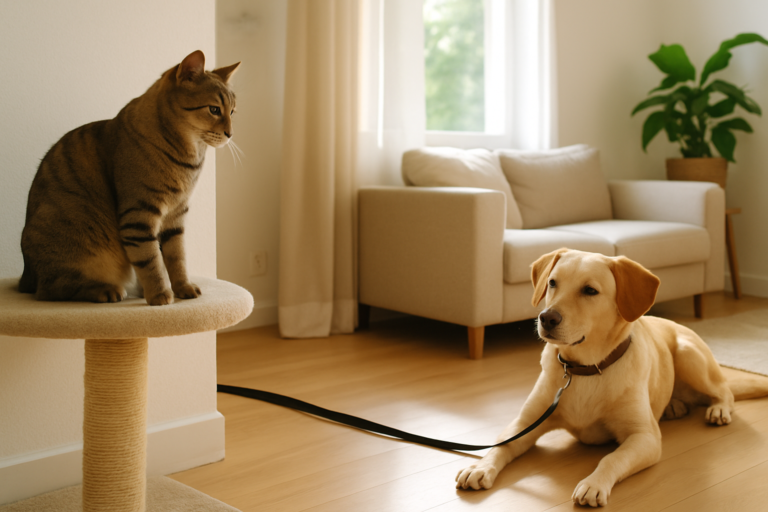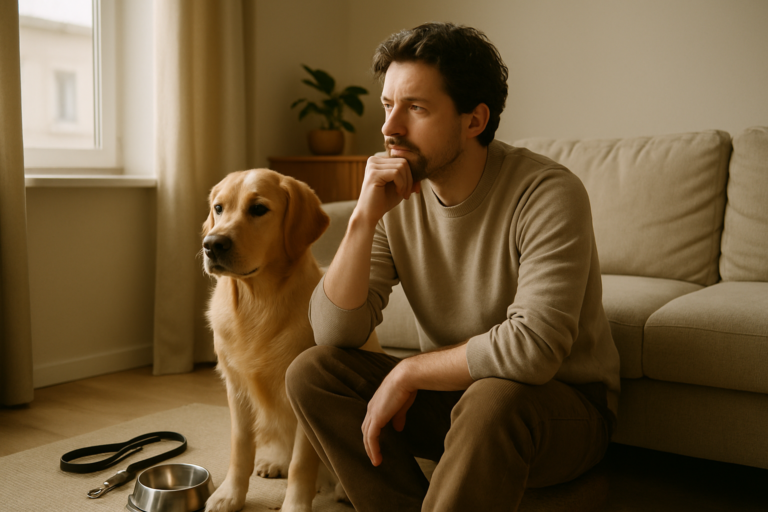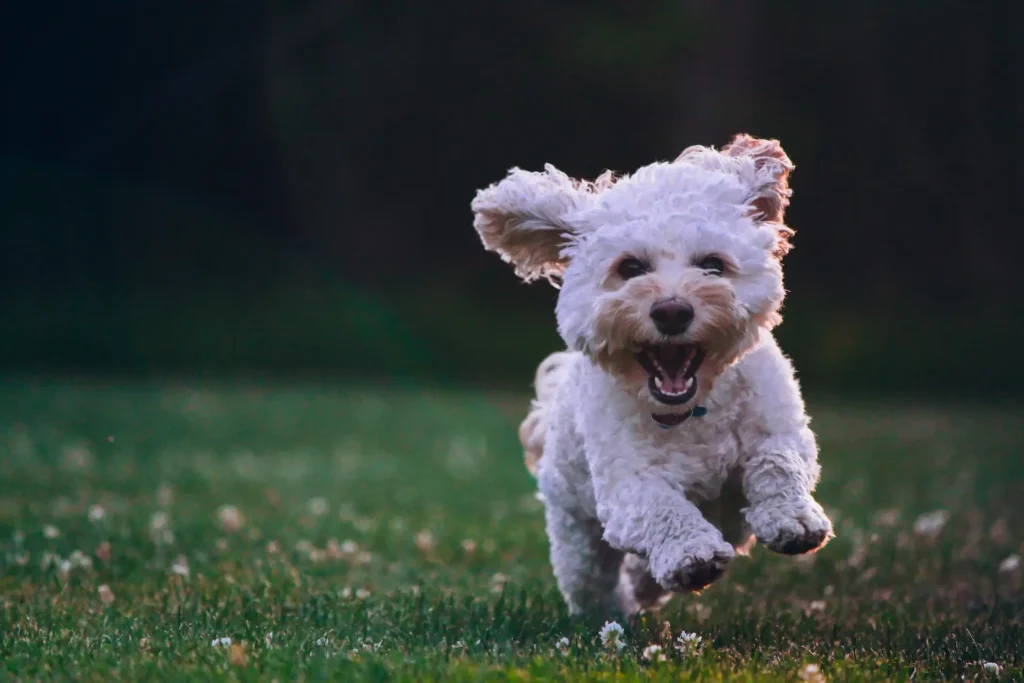
If your normally playful dog suddenly seems tired, sleeps much more than usual, or has stopped showing interest in walks and games, your first instinct may be to find something that will give them more energy.
But low energy is not always a fitness problem. A noticeable change in activity can sometimes be one of the first signs that a dog is painful, ill, overweight, stressed, or simply unable to exercise as comfortably as before.
Quick answer: If your dog has been medically cleared and simply needs help becoming more active, focus on appropriate nutrition, gradual exercise, mentally stimulating activities, healthy body condition, hydration, and sufficient recovery. Do not rely on random vitamins, stimulants, or “energy supplements” to make a tired dog more active.
And remember that normal energy varies enormously. A young Border Collie and a senior Basset Hound should not be expected to have the same daily activity level.
How to Make Your Dog More Energetic: 5 Safe Ways
| Step | What It Means |
|---|---|
| 1. Rule out a health problem | A sudden drop in energy should not automatically be treated with more exercise. |
| 2. Feed appropriately | Use a complete, balanced diet and maintain a healthy body condition. |
| 3. Build fitness gradually | Increase activity progressively instead of suddenly exhausting an inactive dog. |
| 4. Add mental stimulation | Training, sniffing, play, and food-search activities can increase engagement. |
| 5. Prioritize recovery | Rest, hydration, appropriate exercise intensity, and recovery are part of fitness. |
First: Is Your Dog Tired or Actually Lethargic?
There is an important difference between a dog being normally tired and a dog experiencing unexplained lethargy.
A healthy dog may be tired after:
- A long walk
- A day of hiking
- Playing with other dogs
- An agility session
- A stimulating trip or event
That dog should generally recover with appropriate rest.
Lethargy is more concerning when your dog is less responsive or interested in normal activities without an obvious reason.
For example, pay attention if a dog that normally runs to the door for a walk suddenly:
- Does not want to get up
- Sleeps considerably more
- Stops playing
- Walks much more slowly
- Seems weak
- Shows little interest in food
- Does not behave like their normal self
That is not the time to start a harder exercise program.
What Can Cause Low Energy in Dogs?
Low energy is a very nonspecific sign, which means many different problems can cause it.
VCA lists medical possibilities including:
- Heart disease
- Kidney disease
- Liver disease
- Hypothyroidism
- Addison’s disease
- Respiratory disease
- Gastrointestinal disease
- Infectious disease
- Cancer
- Pain
- Medication effects
- Toxins
Stress and anxiety can also change a dog’s activity and appetite.
You cannot determine which explanation applies simply by looking at how sleepy the dog appears.
That is why a persistent or sudden change in energy should be evaluated in context rather than treated with supplements or increasingly intense workouts.
1. Rule Out a Medical Problem Before Trying to Increase Energy
If your dog has always been relatively calm and is otherwise healthy, that may simply be normal for the individual.
But if you are searching for ways to make your dog energetic because their energy level has noticeably changed, veterinary assessment should come before attempts to increase activity.
A veterinarian may consider:
- Physical examination findings
- Body weight and body condition
- Pain or orthopedic problems
- Diet history
- Current medications
- Appetite
- Drinking and urination
- Digestive symptoms
- Recent behavioral changes
- Blood or urine testing when appropriate
Increasing exercise cannot fix an underlying disease and may make some conditions worse.
When Is Low Energy an Emergency?
Not every sleepy dog needs emergency treatment, but certain signs should not wait for a routine appointment.
Seek urgent veterinary care if your dog:
- Is difficult to wake
- Cannot stand or walk when prompted
- Collapses
- Has difficulty breathing
- Has very pale, blue, or gray gums
- Has repeated vomiting or severe diarrhea
- Has a distended or painful abdomen
- Repeatedly tries to vomit but produces nothing
- Appears severely weak or disoriented
- May have consumed a toxin
A dramatic change in your dog’s responsiveness is not something to solve with an energy supplement or an extra-long walk.
2. Feed for Healthy Body Condition, Not for Maximum Energy
Food provides the energy and nutrients a dog needs, but simply feeding more food does not necessarily create a healthier or more energetic animal.
A healthy dog should generally receive a nutritionally complete and balanced diet appropriate for their life stage and individual needs.
Calorie needs vary according to:
- Body size
- Age
- Neuter status
- Activity level
- Environment
- Health
- Whether the dog performs demanding work
WSAVA recommends nutritional assessment based on the individual animal rather than treating feeding recommendations on a bag as an exact requirement for every dog.
Your dog’s weight and body condition over time are more useful than trying to feed them into having more energy.
Can Being Overweight Make a Dog Less Active?
Excess body weight can make exercise more difficult and place additional load on joints.
An overweight dog may:
- Tire faster
- Move more slowly
- Be less willing to exercise
- Have reduced stamina
- Experience greater difficulty with mobility problems
However, do not drastically reduce food simply because your dog seems overweight and inactive.
AAHA recommends assessing body condition and using a structured weight-management plan. Exercise should also be increased gradually rather than suddenly forcing an overweight, poorly conditioned dog through strenuous workouts.
Unexpected weight gain can sometimes be associated with conditions such as hypothyroidism, Cushing’s disease, osteoarthritis, or medication effects, which is another reason a veterinarian can be useful.
Do Dogs Need Supplements for More Energy?
No, supplementation is not a requirement for making a healthy dog more energetic.
This is one of the biggest corrections to the original version of this guide.
WSAVA states that dogs eating commercial foods formulated to be complete and balanced already receive the necessary vitamins and minerals in appropriate amounts.
Adding more nutrients does not automatically improve performance.
Excess supplementation can sometimes:
- Create nutritional imbalances
- Provide excessive amounts of certain vitamins or minerals
- Add unnecessary calories
- Interact with medications or medical conditions
- Distract from the real reason the dog is tired
Do not use a supplement as a substitute for diagnosing unexplained fatigue.
Specific supplements can have legitimate veterinary uses, but the product, ingredient, dose, and reason for giving it should make sense for the individual dog.
What About Vitamin C, Protein Powder, or “Natural Energy” Products?
Healthy dogs do not generally need human-style post-workout supplement stacks.
The old version of this article recommended ingredients such as vitamin C, chlorella, additional protein products, and other supplements as though they were routinely required for recovery.
That is not an evidence-based general recommendation for healthy pet dogs.
A complete diet already provides protein and essential nutrients in balanced amounts.
Working and performance dogs can have substantially different calorie and nutrient needs from ordinary pets, but those diets should be designed around the actual work being performed rather than randomly adding isolated supplements.
For a genuinely high-performance dog, discuss nutrition with a veterinarian familiar with sports medicine or veterinary nutrition.
3. Increase Exercise Gradually
Physical conditioning is one of the most effective ways to improve exercise capacity in a healthy dog.
Merck explains that appropriate training produces adaptations that help tissues use oxygen more effectively and allows muscles to perform more efficiently.
But conditioning works through gradual adaptation, not through exhausting an unfit dog once a week.
For a previously sedentary dog, start with manageable activity and progressively increase:
- Duration
- Walking pace
- Terrain difficulty
- Frequency
- Type of activity
AAHA similarly recommends increasing exercise duration and intensity gradually to reduce the risk of overexertion.
A dog does not become fitter by repeatedly being pushed to complete exhaustion.
What Activities Can Help a Healthy Dog Become More Active?
Exercise does not have to mean running beside a bicycle or performing intense agility.
Depending on your dog’s age, health, temperament, and interests, options include:
- Regular walks
- Longer sniffing walks
- Fetch
- Tug
- Hiking
- Swimming for suitable dogs
- Controlled play with compatible dogs
- Agility
- Canicross
- Scent work
- Structured conditioning exercises
The best exercise is one your dog can perform safely and consistently.
A brachycephalic dog, young puppy, senior dog with arthritis, and healthy adult working breed will require very different programs.
Warm Up Before Intense Exercise
Dogs involved in demanding sport or working activity should not necessarily go directly from resting to maximum-intensity movement.
Merck and AAHA working-dog guidance both emphasize the value of appropriate physical conditioning and warming up before strenuous performance.
A warm-up may include:
- Several minutes of walking
- Progressively faster movement
- Controlled changes of direction
- Sport-specific preparation
Following demanding activity, a brief period of easier movement can also provide a gradual transition back toward rest.
Maximum-effort jumping, sprinting, and abrupt direction changes should not be the first movement an unprepared dog performs.
4. Use Mental Stimulation to Increase Engagement
Sometimes an owner describes a dog as “lazy” when the dog is actually understimulated or uninterested in the activity being offered.
A repetitive walk along exactly the same route may be less engaging for some dogs than an outing that includes opportunities to sniff and investigate.
Mental enrichment can include:
- Sniffing walks
- Food-search games
- Puzzle feeders
- Hide-and-seek
- Reward-based training
- Scent work
- Learning new behaviors
- Interactive play
- Rotating toys
The objective is not to keep the dog constantly stimulated. It is to provide a healthy balance between meaningful activity and the ability to relax afterward.
What If My Dog Does Not Want to Exercise?
A dog refusing exercise should not automatically be described as stubborn.
Ask whether the dog:
- Used to enjoy the activity
- Stops after a predictable distance
- Lags behind
- Limps
- Pants excessively
- Struggles in heat
- Shows fear in the environment
- Has gained substantial weight
- Has difficulty standing afterward
A sudden reluctance to walk can reflect pain, reduced mobility, cardiovascular or respiratory limitations, heat intolerance, fear, or another problem.
If the change is new or persistent, discuss it with your veterinarian before repeatedly forcing the dog farther.
5. Give Your Dog Enough Rest and Recovery
Fatigue after exercise is not automatically something that needs to be eliminated.
Merck describes fatigue as a normal consequence of prolonged or high-intensity exercise and explains that fatigue acts partly as a protective mechanism that limits continued muscular work.
A sensible fitness program therefore includes:
- Appropriate training days
- Lower-intensity activity
- Rest periods
- Adequate sleep
- Hydration
- Gradual increases in workload
More exercise is not always better exercise.
A dog that is still exhausted, stiff, sore, or unwilling to train may need recovery rather than another hard session.
How Much Water Should a Dog Get During Exercise?
Fresh water should normally be available to dogs rather than deliberately withheld.
Dogs lose water while exercising, particularly through respiratory evaporation associated with panting.
For performance dogs during prolonged or intense activity, VCA recommends offering small amounts of water frequently rather than letting an extremely thirsty dog rapidly consume a very large volume and immediately return to strenuous exercise.
You should not respond to this advice by broadly restricting your dog’s access to drinking water.
Dehydration itself contributes to fatigue and can become dangerous.
Do Dogs Need Sports Drinks or Electrolytes After Exercise?
Healthy dogs generally do not need human sports drinks after ordinary exercise.
VCA notes that electrolyte replenishment is not normally necessary for performance dogs in the same way it is for human athletes, because dogs do not primarily cool themselves through profuse sweating.
For most healthy dogs, the key hydration strategy is simply:
- Fresh, clean water
- Regular opportunities to drink
- Avoiding dangerous overheating
- Appropriate rest
Dogs with specific medical or high-performance needs may require individualized advice from their veterinarian.
Should You Feed a Dog Immediately Before or After Exercise?
The relationship between feeding, water, exercise, and gastric dilatation-volvulus is more complicated than the simple internet rule that “feeding after exercise causes bloat.”
GDV is a life-threatening emergency seen particularly in large and deep-chested dogs.
Known or suspected risk factors include:
- Large, deep-chested body conformation
- Family history
- Increasing age
- Eating rapidly
- Large meals
- Once-daily feeding
- Stress-related factors
VCA and Merck also advise avoiding intense exercise around large meals, particularly for dogs at increased risk.
This is different from claiming that every dog must wait exactly one hour after every walk before eating.
For a dog at high risk of GDV, ask your veterinarian for an individualized feeding and exercise routine.
Know the Warning Signs of Bloat and GDV
Because the original article discussed feeding around exercise, it is worth explaining what owners actually need to watch for.
GDV is an emergency that requires immediate veterinary treatment.
Possible signs include:
- Repeated attempts to vomit without producing anything
- Restlessness
- Excessive drooling
- A swollen or distended abdomen
- Abdominal discomfort
- Rapid breathing
- Weakness
- Collapse
Do not wait to see whether suspected GDV improves on its own.
What If Your Senior Dog Is Becoming Less Energetic?
Older dogs commonly change their activity patterns, but slowing down should not automatically be dismissed as “just getting old.”
Age increases the likelihood of problems involving:
- Arthritis
- Muscle loss
- Heart disease
- Kidney disease
- Endocrine disease
- Dental pain
- Vision or hearing changes
- Cognitive changes
Merck recommends that geriatric dogs receive ongoing assessment of factors such as body weight, body condition, organ function, and cognitive function.
An older dog may still benefit greatly from activity, but the goal often changes from maximum performance to:
- Maintaining mobility
- Preserving muscle
- Keeping an appropriate weight
- Providing enrichment
- Supporting quality of life
A comfortable 20-minute sniffing walk may be far more appropriate than trying to make a senior dog behave like a two-year-old athlete.
How Much Energy Should a Dog Have?
There is no universal “correct” energy level.
Activity varies according to:
- Breed
- Genetics
- Age
- Health
- Fitness
- Body condition
- Personality
- Environment
Some healthy dogs naturally want several hours of activity and engagement each day. Others are satisfied with substantially less.
Your dog’s normal baseline is often more useful than comparing them with another breed or another person’s pet.
A sudden departure from that baseline is what deserves particular attention.
5 Ways to Help a Healthy Dog Become More Energetic: Quick Summary
| Step | What to Do |
|---|---|
| 1. Check health first | Investigate sudden or unexplained lethargy before increasing exercise. |
| 2. Optimize nutrition | Feed a complete, balanced diet and maintain healthy body condition. |
| 3. Build fitness | Increase exercise duration and intensity gradually. |
| 4. Add enrichment | Use sniffing, training, games, and other mentally engaging activities. |
| 5. Allow recovery | Provide rest and water and avoid repeatedly pushing the dog to exhaustion. |
How to Make Your Dog More Energetic: The Bottom Line
The safest way to increase a dog’s energy is not to search for a stimulant or supplement. Start by deciding whether the dog’s energy level is actually abnormal.
If your normally active dog suddenly becomes tired, withdrawn, weak, or uninterested in favorite activities, investigate the change with your veterinarian rather than trying to exercise through it.
Once medical problems have been ruled out, focus on the basics: a complete and balanced diet, healthy body condition, progressive exercise, mental enrichment, hydration, and adequate recovery.
Routine vitamin and mineral supplementation is not necessary for most dogs eating a nutritionally complete diet, and adding more nutrients does not automatically produce more energy.
Likewise, fitness should be developed gradually. An inactive or overweight dog should not suddenly be subjected to intense workouts in an attempt to increase stamina quickly.
Finally, remember that the objective is not to create the most energetic dog possible. The objective is a dog whose activity level is appropriate for their age, health, breed, body condition, and individual personality.
Frequently Asked Questions
How can I make my dog more energetic?
If your dog is healthy, focus on gradually increasing appropriate exercise, maintaining healthy body condition, providing a complete diet, adding mental enrichment, and allowing sufficient recovery. A sudden decrease in energy should be evaluated before increasing activity.
Why does my dog have no energy?
Low energy can have many explanations, ranging from normal fatigue and stress to pain, infection, endocrine disease, heart disease, kidney or liver disease, gastrointestinal illness, medication effects, and other medical problems.
Why is my dog suddenly less energetic?
A sudden change from your dog’s normal behavior deserves attention. Consider recent exercise and stress, but contact your veterinarian if the change is unexplained, significant, persistent, or accompanied by other symptoms.
What food gives dogs more energy?
There is no single “energy food” appropriate for every dog. Most healthy pets should receive a complete and balanced diet matched to their life stage, activity level, body condition, and health. Working dogs may have substantially different calorie needs.
What vitamins can I give my dog for energy?
Do not routinely add vitamins simply to increase energy. WSAVA notes that complete and balanced commercial diets already contain necessary vitamins and minerals, and excessive supplementation can be harmful.
Do dog energy supplements work?
A supplement should not be used as a general treatment for unexplained lethargy. The cause of low energy should be identified first. Specific supplements can have veterinary uses, but healthy dogs do not routinely need an “energy booster.”
Will more exercise give my dog more energy?
Appropriate training can improve fitness and exercise capacity, but activity should be increased progressively. Too much exercise can cause excessive fatigue or injury, especially in poorly conditioned, overweight, young, senior, or medically compromised dogs.
Can being overweight make my dog tired?
Excess weight can reduce stamina and make movement more difficult. Your veterinarian can assess body condition and create an appropriate diet and exercise plan without using unsafe rapid weight-loss methods.
Is it normal for an old dog to have less energy?
Some reduction in activity can accompany aging, but significant slowing should not automatically be dismissed as old age. Arthritis, pain, organ disease, endocrine conditions, and cognitive changes can affect senior dogs.
Should I limit my dog’s water after exercise?
Do not broadly withhold drinking water. Hydration is essential. During intense activity, frequent smaller opportunities to drink may be preferable to allowing a very thirsty dog to rapidly consume a huge volume and immediately resume strenuous exercise.
Can I feed my dog after exercise?
Normal feeding is not automatically dangerous after every walk. However, intense exercise around large meals is generally discouraged in dogs at risk of gastric dilatation-volvulus. Ask your veterinarian about meal timing if you own a high-risk large or deep-chested breed.
When is dog lethargy an emergency?
Seek emergency care if your dog is difficult to wake, cannot stand or walk, collapses, has difficulty breathing, appears severely weak, or has other serious symptoms.
Veterinary, Exercise & Nutrition Sources
This guide provides general educational information. New or unexplained lethargy should be evaluated based on the individual dog rather than treated with supplements or increased exercise alone.
- VCA Animal Hospitals — Decreased Appetite and Listlessness
- VCA Animal Hospitals — Lethargy and When to Seek Veterinary Care
- Merck Veterinary Manual — Fatigue and Exercise in Dogs
- WSAVA — Global Nutrition Guidelines
- WSAVA Global Nutrition Committee — Nutrition FAQs and Myths
- AAHA — Pet Weight and Safe Exercise
- AAHA — Working Dog Fitness and Conditioning
- VCA Animal Hospitals — Nutritional Needs of Performance Dogs
- Merck Veterinary Manual — Feeding Practices in Small Animals
- VCA Animal Hospitals — Gastric Dilatation and Volvulus in Dogs
- Merck Veterinary Manual — Bloat and Gastrointestinal Disorders in Dogs