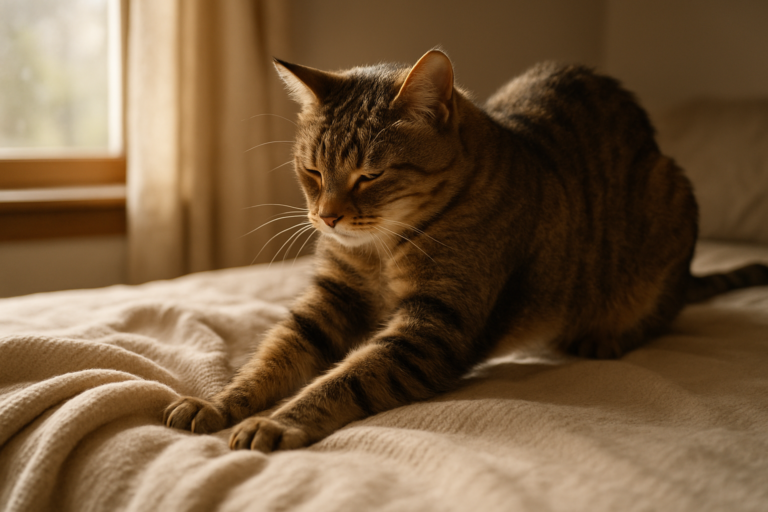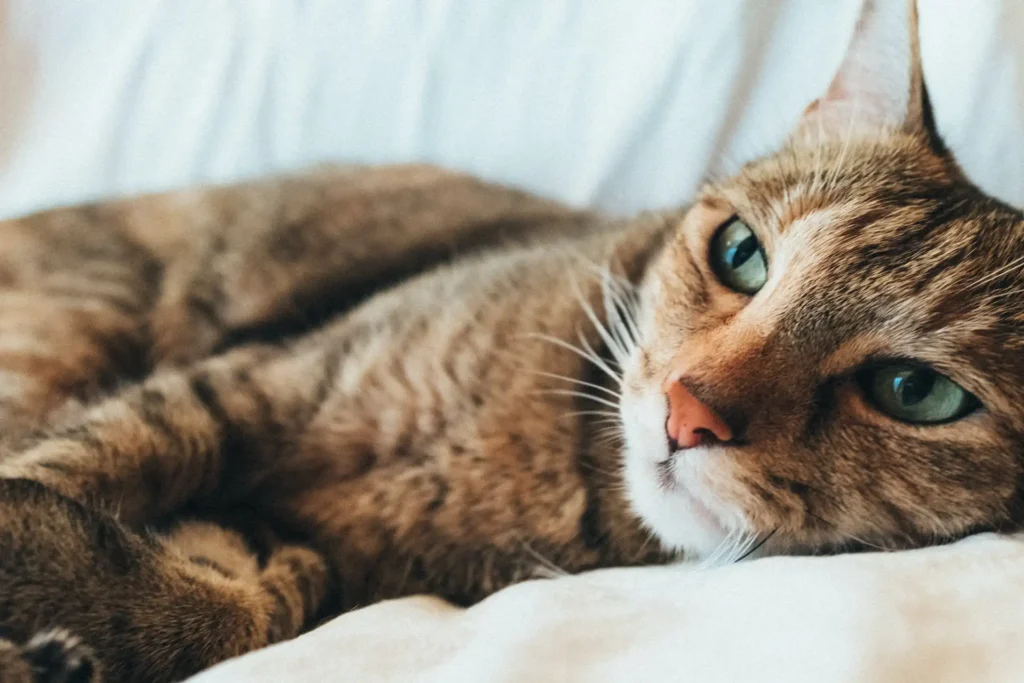
Brown cats can range from warm cinnamon and milk-chocolate shades to deep mahogany and almost-black sable. But “brown cat” does not describe one specific breed. Brown is a coat color that can appear in several breeds and in many mixed-breed domestic cats.
Quick answer: Some of the most distinctive brown cat breeds include the Havana Brown, sable Burmese, chocolate British Shorthair, chestnut or cinnamon Oriental Shorthair, and chocolate Devon Rex. They may share similar coat colors, but their personalities, body types, grooming needs, and activity levels can be very different.
It is also important to distinguish a genetically chocolate or cinnamon cat from a brown tabby. A brown tabby usually has a warm brown background with darker markings, while a solid chocolate cat can have an even brown color from the roots to the tips of the coat.
Below are five breeds to know if you love brown cats, followed by an explanation of the most common brown coat types and what to consider before choosing a breed based primarily on color.
What Is a Brown Cat?
The word “brown” is useful in everyday conversation, but feline coat-color terminology is more specific.
Depending on the breed and genetic background, a cat that looks brown may officially be described as:
- Chocolate
- Chestnut
- Sable
- Cinnamon
- Brown tabby
- Chocolate tabby
- Brown ticked tabby
- Chocolate point
- Chocolate smoke or shaded
These terms do not all describe the same coat. A sable Burmese, for example, has a rich warm brown appearance, while a brown tabby has visible darker markings over a lighter background.
That is why searching for a “brown cat breed” can lead to cats that look surprisingly different from one another.
5 Brown Cat Breeds at a Glance
| Breed | Brown Coat | Typical Personality | Coat |
|---|---|---|---|
| Havana Brown | Rich, warm chocolate to mahogany brown | Affectionate, curious, people-oriented | Short and smooth |
| Burmese | Deep sable brown | Social, affectionate, playful | Short and glossy |
| British Shorthair | Chocolate and several brown-based patterns | Calm, independent, affectionate | Short, dense and plush |
| Oriental Shorthair | Chestnut, cinnamon and numerous brown-based patterns | Social, active, intelligent, vocal | Short and close-lying |
| Devon Rex | Chocolate, cinnamon and brown-based patterns | Active, playful, affectionate | Short, soft and wavy |
Coat color should never be the only reason to choose a cat. Temperament, activity level, health, grooming, availability, and whether the individual cat fits your household are much more important long-term considerations.
1. Havana Brown
If you picture a completely brown pedigree cat, the Havana Brown is probably the breed closest to that image.
The Cat Fanciers’ Association describes the ideal Havana Brown as a medium-sized cat with a rich, solid coat and brilliant green eyes. Its accepted brown coat can be any even shade of rich, warm chocolate brown.
The color should remain consistent along the hair shaft rather than forming stripes, spots, or obvious shading.
What Does a Havana Brown Look Like?
The breed is particularly recognizable because of its combination of:
- Rich chocolate or mahogany-brown coat
- Green eyes
- Brown whiskers that complement the coat
- Short to medium-length smooth coat
- Distinctive muzzle and prominent whisker pads
- Medium-sized muscular body
Havana Brown Personality
Havana Browns are generally described as intelligent, affectionate, curious, and strongly interested in their people.
They tend to enjoy being involved in household activity rather than spending all day independently in another room. Puzzle toys, interactive play, and regular human interaction can be particularly valuable for this type of social, intelligent cat.
Their coat requires relatively little maintenance compared with long-haired breeds, although routine nail care, dental care, and general grooming are still important.
2. Burmese
The Burmese deserves a place near the top of any list of brown cat breeds because its classic sable coat is a deep, glossy brown.
CFA describes mature sable Burmese as having a rich, warm sable-brown coat that becomes only slightly lighter on the underparts.
The combination of warm brown fur and yellow-to-gold eyes gives the breed a particularly striking appearance.
What Is a Burmese Cat Like?
Burmese are strongly people-oriented cats. They are commonly described as affectionate, playful, social, and interested in staying close to their owners.
This makes them appealing to someone looking for an interactive companion, but less ideal for a person who wants a highly independent cat that spends most of the day alone.
Their short coat is relatively straightforward to maintain and does not require the intensive grooming associated with many long-haired breeds.
Are All Burmese Cats Brown?
No. Sable is the classic dark-brown Burmese color, but registries recognize additional colors.
For example, CFA also recognizes Burmese in champagne, blue, and platinum.
If you specifically want the characteristic rich brown appearance, look for the color described as sable.
3. British Shorthair
The British Shorthair is most famous for its blue-gray coat, but the breed exists in a much wider range of colors and patterns — including chocolate.
CFA’s breed standard describes the chocolate British Shorthair as having a rich, warm chocolate-brown coat from the roots to the tips of the fur.
Brown-related variations can also appear in patterns such as chocolate tabby, chocolate silver tabby, chocolate golden, and chocolate-and-white.
What Does a Chocolate British Shorthair Look Like?
The breed has a very different appearance from the slender Oriental or curly-coated Devon Rex.
Typical British Shorthair characteristics include:
- Solid, powerful body
- Round head and cheeks
- Dense, plush short coat
- Relatively substantial build
- Gold or copper eyes in the solid chocolate variety
British Shorthair Personality
British Shorthairs are often a better match for someone seeking a somewhat calmer companion than an extremely active, constantly demanding cat.
Individual personalities differ, but the breed is generally known for a more composed style of companionship.
The dense coat benefits from regular grooming to remove loose hair, especially during periods of heavier shedding.
4. Oriental Shorthair
If you want a brown cat with a dramatically different body type, the Oriental Shorthair offers several possibilities.
CFA recognizes a large variety of Oriental colors and patterns. Among the brown shades are chestnut and cinnamon.
Chestnut is described as a rich chestnut brown, while cinnamon is lighter, warmer, and more reddish — similar to the color of a cinnamon stick.
What Does an Oriental Shorthair Look Like?
Orientals are easy to distinguish from stockier breeds.
They typically have:
- Long, slender bodies
- Large ears
- Wedge-shaped heads
- Long legs and tails
- Short, close-lying coats
- A very large selection of coat colors and patterns
Oriental Shorthair Personality
Oriental Shorthairs tend to be social, active, intelligent cats that want considerable interaction with their owners.
Many are also notably communicative. Someone seeking a quiet, highly independent cat may therefore prefer a different breed.
For the right household, however, their combination of intelligence, activity, unusual appearance, and huge range of colors makes them distinctive companions.
5. Devon Rex
The Devon Rex adds something completely different to the list: a brown cat with a soft, wavy coat.
CFA allows the Devon Rex in essentially any genetically possible color and pattern. Chocolate is specifically described as a rich chestnut brown, while cinnamon is another accepted warm brown shade.
Brown tabby and chocolate tabby patterns are also possible.
What Makes the Devon Rex Different?
The breed is known for several distinctive characteristics:
- Soft, wavy coat
- Very large ears
- Prominent cheekbones
- Large expressive eyes
- Relatively fine body structure
- Active and curious behavior
Its unusual coat needs gentle handling because the hairs can be more delicate than those of many conventionally coated breeds.
Is a Devon Rex Hypoallergenic?
No cat breed should be described as truly hypoallergenic.
Cat allergies are associated with proteins found in sources including saliva, skin and urine rather than simply the length or quantity of fur.
Some people may react differently to individual cats, but a short or unusual coat does not guarantee that a Devon Rex will be suitable for someone with a cat allergy.
Anyone with a known cat allergy should spend time with the individual cat and discuss significant allergy or asthma concerns with a medical professional before adopting.
5 Common Brown Cat Coat Types
Not every brown cat has a solid chocolate coat. In fact, some of the most familiar brown cats are tabbies rather than genetically solid brown cats.
| Coat Type | What It Looks Like |
|---|---|
| Solid chocolate | An even warm brown coat with little or no visible pattern, as seen in the Havana Brown. |
| Sable | A deep warm brown associated particularly with the Burmese. |
| Brown tabby | Brown or coppery background with darker tabby markings. |
| Chocolate tabby | A lighter warm ground color combined with chocolate-brown tabby markings. |
| Cinnamon | A lighter, warmer reddish-brown shade rather than deep chocolate. |
This distinction explains why two cats described casually as “brown” may look almost nothing alike.
Is a Brown Tabby the Same as a Brown Cat?
A brown tabby is certainly a brown-colored cat, but it is not the same coat type as a solid chocolate cat.
Brown tabbies usually have dark brown or black markings against a warmer brown, gray-brown, or coppery background.
Common tabby patterns include:
- Classic tabby with broad swirling markings
- Mackerel tabby with narrow vertical stripes
- Spotted tabby
- Ticked tabby
Brown tabby coloring is also extremely common in mixed-breed domestic cats, so you do not need to find a pedigree breed if your main goal is simply to adopt a beautiful brown cat.
Are Solid Brown Cats Rare?
Solid chocolate-brown cats are generally less commonly encountered than brown tabbies, black cats, or many other familiar domestic cat colors.
Part of the reason is genetic. Producing a truly chocolate coat requires a particular combination of color genes, whereas the common brown tabby appearance can occur across a much broader population of cats.
Some established breeds deliberately preserve brown-related colors, which is why breeds such as the Havana Brown and sable Burmese are particularly useful starting points for people specifically interested in a rich brown coat.
However, rarity should not be confused with quality. A rare color does not make an individual cat healthier, friendlier, or more valuable as a companion.
What Other Cat Breeds Can Be Brown?
The five breeds above are not the only cats that can display brown coats or brown-based patterns.
Other examples can include:
- Chausie
- Persian
- Exotic Shorthair
- American Shorthair
- Cornish Rex
- Various colorpoint breeds with chocolate points
- Mixed-breed domestic shorthairs and longhairs
The Chausie is an interesting example because TICA recognizes a brown-ticked tabby pattern rather than the solid chocolate coat associated with the Havana Brown.
This is another reason to look at the actual breed standard or photographs instead of assuming every breed listed as brown will have the same appearance.
What Eye Colors Do Brown Cats Have?
There is no single eye color shared by all brown cats.
Eye color depends on genetics and breed standards rather than brown fur alone.
For example:
- Havana Browns are known for green eyes.
- Sable Burmese typically have yellow-to-gold eyes.
- Solid chocolate British Shorthairs typically have gold or copper eyes.
- Oriental eye color depends partly on the coat color and pattern.
- Devon Rex cats can appear in many colors and patterns with corresponding variation in eye color.
The contrast between a rich brown coat and vivid green, gold, or copper eyes is one of the reasons brown cats can be so visually striking.
How to Choose the Right Brown Cat Breed
Color may be what first attracts you to a cat, but it should be near the bottom of the list when deciding which breed fits your household.
Consider these factors first:
| Question | Why It Matters |
|---|---|
| Do you want a highly social cat? | Breeds such as Burmese, Havana and Oriental cats often want substantial human interaction. |
| How active should the cat be? | An active Oriental or Devon Rex may suit a different home than a calmer cat. |
| How much grooming are you comfortable with? | Coat texture and density influence grooming requirements even among short-haired breeds. |
| Will the cat spend long periods alone? | Highly social breeds may struggle in homes where companionship is rarely available. |
| Do you have children or other pets? | Individual temperament and previous socialization matter when choosing a household companion. |
| Are you prepared for breed-specific health screening? | Responsible breeders should perform appropriate health testing rather than breeding primarily for color. |
A reputable breeder should be interested in health and temperament first. Be cautious if unusual coat color is being marketed as the primary reason a kitten commands an unusually high price.
Which Brown Cat Breed Is Right for You?
| If You Want… | Consider… |
|---|---|
| A breed strongly associated with a solid chocolate-brown coat | Havana Brown |
| A rich dark-brown cat that is highly people-oriented | Sable Burmese |
| A plush, substantial cat available in chocolate | British Shorthair |
| A slender, active cat available in chestnut or cinnamon | Oriental Shorthair |
| A highly distinctive cat with a wavy brown coat | Devon Rex |
This comparison describes general breed tendencies rather than guarantees. Individual cats can differ significantly in personality, activity level, sociability, and health.
Brown Cat Breeds: The Bottom Line
Brown cats are far more varied than they first appear. A Havana Brown’s even chocolate coat, the deep sable of a Burmese, a plush chocolate British Shorthair, a cinnamon Oriental, and a curly chocolate Devon Rex can all fall under the broad description of a brown cat.
The Havana Brown is particularly notable because a rich brown coat is one of the defining characteristics of the breed, but it is not accurate to suggest that no other recognized breed can have a solid brown or chocolate coat.
Brown tabbies are another category entirely and are commonly found among both pedigree and mixed-breed cats.
If you are choosing a cat, use color as a preference rather than your primary decision-making criterion. Temperament, health, activity level, grooming requirements, and how well the individual cat fits your household matter much more over the cat’s lifetime.
And if you simply love the look of brown cats, do not overlook shelters and rescues. A beautiful brown tabby or brown-toned mixed-breed cat may already be waiting for a home.
Frequently Asked Questions About Brown Cats
What cat breeds can be brown?
Several recognized breeds can have brown coats or brown-based varieties, including the Havana Brown, Burmese, British Shorthair, Oriental Shorthair, and Devon Rex. Brown tabby patterns can occur in many additional breeds and mixed-breed cats.
What breed is a solid brown cat?
The Havana Brown is particularly famous for its solid rich chocolate-brown coat and green eyes. However, other recognized breeds can also occur in solid brown-related colors, including sable Burmese and chocolate varieties of several breeds.
Are brown cats rare?
Brown tabby cats are common, while truly solid chocolate-brown cats are less frequently encountered. How rare a particular brown coat is depends on the color genetics, breed, and local cat population.
Is the Havana Brown the only brown cat breed?
No. The Havana Brown is strongly associated with its rich solid-brown coat, but other recognized breeds can also have brown, chocolate, chestnut, cinnamon, or sable coats. The exact terminology varies between breeds and registries.
Is a brown tabby a cat breed?
No. Brown tabby describes a coat color and pattern, not a breed. Brown tabby markings occur in many pedigree breeds as well as domestic shorthair and domestic longhair cats.
What is a chocolate-colored cat?
Chocolate is a recognized coat-color term in several cat breeds and generally describes a warm brown shade. The exact appearance and breed-standard definition can vary between breeds.
Are Burmese cats brown?
The classic sable Burmese has a rich, warm dark-brown coat. Burmese cats also occur in other recognized colors, so not every Burmese is brown.
Can British Shorthair cats be brown?
Yes. Although blue is the best-known British Shorthair color, CFA recognizes chocolate and several chocolate-based coat patterns, including chocolate tabby and chocolate golden.
What brown cat breed has green eyes?
The Havana Brown is famous for the combination of a rich brown coat and green eyes. CFA’s breed standard requires green eyes for the Havana Brown.
Are brown Devon Rex cats hypoallergenic?
No cat breed is truly hypoallergenic. People with cat allergies react to allergenic proteins associated with cats rather than simply to long hair, so a Devon Rex can still trigger allergy symptoms.
Breed & Coat Sources
Breed standards and accepted colors can differ between cat registries. The descriptions in this guide are based primarily on current CFA and TICA breed information.
- Cat Fanciers’ Association — Havana Brown
- The International Cat Association — Havana
- Cat Fanciers’ Association — Burmese
- Cat Fanciers’ Association — British Shorthair
- Cat Fanciers’ Association — Oriental
- Cat Fanciers’ Association — Devon Rex
- The International Cat Association — Chausie
- Asthma and Allergy Foundation of America — Pet Allergies and Hypoallergenic Cats